Interior walls do not have a universal repainting schedule. Some rooms may look fresh for many years, while high-traffic areas can need attention much sooner. The right time for interior wall painting depends on several factors, including the room’s purpose, paint quality, surface condition, moisture levels, sunlight exposure, and everyday wear.
A wall in a formal dining room may remain in good condition for years because it receives relatively little contact. A hallway, children’s bedroom, entryway, or kitchen can show scuffs and marks much sooner.
Homeowners also repaint for reasons beyond visible damage. A change in furniture, a renovation, a new color preference, or an effort to update an older interior can all make repainting worthwhile.
For homeowners in Wichita and nearby Kansas communities, understanding when and why interior walls need repainting can help with planning and maintenance. This guide explains the typical repainting timeline, the signs that indicate walls need attention, and the factors that influence the lifespan of an interior paint job.
How Often Should You Repaint Interior Walls?
As a general guideline, many interior walls may need repainting approximately every 5 to 10 years, but this is not a strict rule.
Some rooms may need repainting after only a few years because of heavy use, while well-maintained walls in low-traffic areas may remain acceptable for longer.
The condition of the wall is usually a better indicator than the calendar alone.
| Room or Area | Typical Repainting Consideration | Why |
| Living room | About 5 to 10 years | Moderate traffic |
| Bedroom | About 5 to 10 years | Lower wall contact |
| Hallway | About 3 to 5 years | Frequent contact and scuffs |
| Entryway | About 3 to 5 years | Dirt, traffic, and frequent contact |
| Kitchen | About 3 to 5 years | Grease, moisture, and cleaning |
| Bathroom | About 3 to 5 years | Humidity and moisture |
| Children’s room | About 2 to 5 years | Marks, stains, and activity |
| Home office | About 5 to 7 years | Moderate daily use |
These ranges are estimates rather than guarantees. The actual lifespan of an interior paint job depends on the paint product, preparation, application, ventilation, household activity, and condition of the underlying surface.
Factors That Affect Interior Wall Painting Frequency
Several factors determine how long painted walls continue to look clean and uniform.
Room Traffic
Traffic is one of the biggest factors.
Hallways, stairwells, entryways, and family rooms are exposed to frequent movement and contact. Furniture, bags, shoes, hands, and other objects can leave marks on walls.
High-traffic rooms may need repainting more frequently than rooms that are rarely used.
Paint Quality
The quality and type of paint can influence how a wall performs over time.
Paint designed for interior walls may differ in durability, washability, sheen, and resistance to stains. A durable finish may be more appropriate for areas that require frequent cleaning.
However, paint quality alone does not determine longevity. Surface preparation and proper application also matter.
Sunlight Exposure
Direct sunlight can contribute to gradual color fading.
Rooms with large windows or strong afternoon exposure may show more noticeable color changes than darker rooms. This can be especially apparent with certain bright or saturated colors.
Window treatments can help reduce direct exposure, but they may not eliminate fading entirely.
Moisture
Humidity and moisture can affect painted surfaces.
Bathrooms, kitchens, laundry rooms, and other moisture-prone spaces require appropriate ventilation and suitable coatings. Persistent moisture problems should be addressed at the source rather than simply covered with new paint.
If a wall has recurring bubbling, peeling, staining, or discoloration, the underlying moisture issue should be investigated before repainting.
Children and Pets
Homes with children and pets often experience more wall wear.
Fingerprints, toys, furniture contact, accidental spills, and other everyday activities can leave marks. Washable paint finishes can make routine maintenance easier, but even durable walls may eventually require repainting.
Lifestyle Changes
You do not have to wait for visible paint deterioration before repainting.
Homeowners commonly repaint when:
- Furniture is replaced
- A room is remodeled
- The home’s style changes
- A new color is desired
- A room’s purpose changes
- An older color feels dated
- Walls need to coordinate with new flooring or cabinets
Interior wall painting can therefore be part of regular home maintenance as well as a design update.
Recommended Repainting Frequency by Room
Different rooms experience different types of wear.
Living Rooms
Living rooms generally experience moderate traffic.
If the walls are well maintained, they may remain in good condition for approximately five to ten years. However, homes with children, pets, or frequent entertaining may require repainting sooner.
Look for scuff marks, fading, visible patches, or changes in color consistency.
Bedrooms
Adult bedrooms typically experience less wall contact than hallways or common areas.
A quality paint job may remain acceptable for several years, particularly when the room receives limited direct sunlight.
Children’s bedrooms are different. Walls in these rooms can experience more marks, scratches, stains, and changes as children grow.
Hallways and Stairwells
Hallways and stairwells are among the highest-contact areas in many homes.
People regularly brush against the walls, carry furniture through them, and touch corners or surfaces while moving around the house.
These areas may need repainting more frequently than bedrooms or formal rooms.
Entryways
Entryways are exposed to dirt, dust, moisture, bags, coats, shoes, and frequent movement.
Because they create the first interior impression of a home, visible scuffs can become noticeable quickly.
A durable and washable paint finish can be useful in this area.
Kitchens
Kitchens expose walls to cooking activity, steam, grease, food splashes, and frequent cleaning.
Ventilation is important because excessive moisture can affect painted surfaces.
If cooking-related staining becomes difficult to remove, repainting may restore the appearance of the walls.
Bathrooms
Bathrooms have higher humidity than most rooms.
Adequate ventilation is important for protecting painted surfaces. If paint begins bubbling, peeling, cracking, or developing persistent discoloration, investigate possible moisture problems before simply applying another coat.
Signs Your Interior Walls Need Repainting
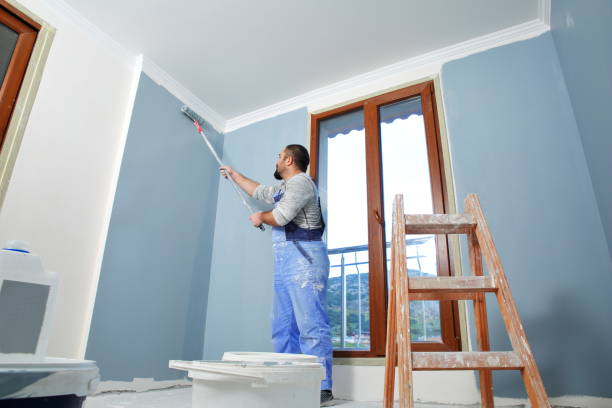
The calendar is only one indicator. Visible changes in the wall are often more useful.
Fading or Discoloration
If the original color has become noticeably lighter or uneven, repainting may restore a consistent appearance.
Fading can occur because of sunlight, cleaning, age, or the characteristics of the paint.
Scuffs and
Marks
Small marks can often be cleaned. However, repeated cleaning may eventually fail to restore the original appearance.
If a wall has extensive scuffs or visible wear, repainting may be more practical.
Peeling or Flaking Paint
Peeling paint is a sign that the surface needs attention.
Do not simply paint over loose or failing material. The damaged coating should be properly addressed before a new finish is applied.
Cracks
Small surface imperfections can sometimes be repaired before repainting.
However, recurring or significant cracks should be evaluated to determine whether there is an underlying issue.
Stains That Cannot Be Removed
Some stains can penetrate or remain visible through standard cleaning.
If cleaning no longer produces acceptable results, repainting may be appropriate after determining whether the stain has an underlying cause.
Uneven Touch-Ups
Touch-up paint can be useful for small repairs, but older walls may have multiple touch-up areas that no longer blend with the surrounding surface.
When the wall looks patchy, a complete repaint can provide a more uniform appearance.
How Often Should You Repaint High-Traffic Areas?
High-traffic areas generally need more frequent maintenance than low-use rooms.
Hallways, entryways, staircases, mudrooms, and family rooms are particularly susceptible to scuffs and surface wear.
Instead of waiting for a fixed number of years, inspect these areas periodically.
A practical maintenance approach is to:
- Clean marks when possible.
- Check whether the paint still has an even appearance.
- Repair small surface damage.
- Monitor high-contact corners and doorways.
- Repaint when cleaning and touch-ups no longer provide satisfactory results.
Using durable, washable paint in high-traffic areas can also make routine maintenance easier.
How Often Should Bedrooms and Living Rooms Be Repainted?
Bedrooms and living rooms generally have longer repainting intervals than high-traffic areas.
If there are no significant stains, fading, peeling, or surface problems, repainting may not be necessary simply because several years have passed.
However, homeowners may choose to repaint these rooms when changing their interior design.
For example, replacing flooring with a new color or purchasing new furniture may make an existing wall color look less suitable.
In these situations, repainting becomes a design decision rather than a response to paint failure.
Kitchen and Bathroom Wall Repainting
Kitchens and bathrooms require special consideration because moisture and cleaning can affect painted surfaces.
Kitchen Walls
Kitchen walls may encounter:
- Cooking grease
- Food splashes
- Steam
- Cleaning products
- Frequent wiping
A suitable washable finish can help with routine cleaning.
Persistent grease or discoloration may indicate that the walls need more than occasional touch-ups.
Bathroom Walls
Bathroom walls are exposed to repeated humidity and condensation.
Good ventilation can help reduce moisture accumulation. Exhaust fans, proper ventilation practices, and addressing leaks can all help protect painted surfaces.
If paint repeatedly peels or bubbles, repainting without addressing the moisture source may only provide a temporary solution.
Choosing the Right Paint for Interior Walls
Choosing a paint involves more than selecting a color.
Consider:
- Room function
- Desired sheen
- Cleaning requirements
- Existing wall condition
- Moisture exposure
- Amount of traffic
- Color change
- Compatibility with the existing surface
Flat Paint
Flat finishes have minimal sheen and can help conceal minor surface imperfections. They are commonly considered for low-contact areas where frequent washing is not required.
Eggshell Paint
Eggshell provides a subtle sheen and is often considered for living areas and bedrooms.
Satin Paint
Satin has more sheen and can be useful in areas where easier cleaning is desirable.
Semi-Gloss Paint
Semi-gloss is more reflective and can be appropriate for certain trim, doors, kitchens, bathrooms, and other areas where durability and cleanability are important.
The best finish depends on the room and the manufacturer’s recommendations.
Does Paint Color Affect How Often Walls Need Repainting?
Color can influence how visible wear becomes, although it does not determine the actual durability of the paint by itself.
Very light walls can make certain dark marks more noticeable. Very dark walls may show dust, scratches, and lighter scuffs more clearly.
Bright colors may also show fading differently depending on sunlight exposure.
When choosing a color, consider both appearance and maintenance.
Neutral colors can be easier to integrate with changing furniture and décor. More saturated colors can create stronger visual impact but may require more consideration when making future changes.
Interior Wall Painting and Surface Preparation
Surface preparation is a key part of a successful repaint.
Before applying new paint, walls may need to be:
- Cleaned
- Patched
- Sanded
- Caulked where appropriate
- Primed when necessary
- Checked for moisture damage
- Cleared of loose or failing paint
Painting over dirt, grease, loose paint, or damaged surfaces can affect the final appearance and adhesion.
The amount of preparation depends on the wall’s condition. A relatively clean wall with a stable existing coating may require less preparation than a wall with peeling paint, stains, holes, or multiple previous coatings.
Bolden’s Painting Co describes its residential interior repainting services as including careful preparation and smooth finishes for walls and other interior surfaces. The company serves Wichita and nearby Kansas communities.
How to Extend the Life of Interior Paint
You can often delay a full repaint by maintaining painted surfaces properly.
Clean Walls Carefully
Use cleaning methods appropriate for the paint finish. Avoid overly aggressive scrubbing that could damage the coating.
Address Moisture Problems
Leaks, condensation, and excessive humidity should be addressed promptly.
Repair Small Damage
Small holes, dents, and surface imperfections are easier to address before they become more noticeable.
Use Furniture Carefully
Avoid repeatedly rubbing furniture against painted walls.
Control Direct Sunlight
Blinds, curtains, and other window treatments can reduce direct sunlight exposure.
Keep High-Traffic Areas Clean
Regular cleaning can prevent dirt and marks from becoming embedded or difficult to remove.
When Should You Hire a Professional Painter?
Interior wall painting can be a manageable DIY project for some homeowners, particularly when the walls are in good condition and the area is relatively small.
Professional help may be useful when:
- Multiple rooms need repainting
- Walls require extensive preparation
- There is peeling or damaged paint
- Ceilings and walls are being repainted together
- A major color change is planned
- High ceilings or difficult areas are involved
- The project needs to be completed within a specific timeframe
- You want consistent results across several rooms
Professional painters can also help identify preparation requirements before painting begins.
For larger projects, the quality of preparation can have as much impact on the final result as the paint itself.
Interior Wall Painting in Wichita, Kansas
Local conditions and the type of home can influence interior maintenance decisions.
While indoor walls are protected from direct outdoor weather, Wichita homeowners still deal with seasonal changes that can affect indoor humidity, ventilation, and how frequently rooms are used.
When planning interior wall painting, consider the condition of the walls rather than relying exclusively on a predetermined schedule.
Bolden’s Painting Co is based in Wichita and states that it provides residential and commercial painting services, including residential interior repainting. Its listed service areas include Wichita, Derby, Andover, Newton, Rose Hill, Goddard, Valley Center, El Dorado, Park City, and Maize.
For commercial interiors, the company also lists painting services for walls and ceilings, trim, doors, hallways, stairwells, lobbies, common areas, and other interior spaces.
Bolden’s Painting Co also states that it is family-owned and locally operated, with more than 30 years of professional painting experience.
This information can be useful for Wichita property owners comparing options for residential or commercial interior repainting.
How to Know If You Need a Full Repaint or Touch-Ups
Not every damaged wall needs an entire new paint job.
Touch-ups may be sufficient when:
- Damage is limited to a small area
- The existing paint is relatively new
- The original paint is still available
- The color has not noticeably faded
- The surrounding finish remains consistent
A full repaint may be more appropriate when:
- The wall has widespread scuffs
- The color has faded
- Multiple touch-ups are visible
- The paint is peeling
- The homeowner wants a new color
- Several walls have inconsistent finishes
- The existing coating is significantly aged
If the original paint is no longer available, even a closely matched color may appear different because the existing wall has aged.
Conclusion
So, how often should you repaint interior walls?
For many homes, five to ten years is a reasonable general timeframe, but there is no universal schedule. High-traffic spaces may need attention after only a few years, while low-use rooms can remain acceptable for longer.
The most reliable indicators are the condition and appearance of the walls. Fading, peeling, persistent stains, scuffs, cracks, and visible touch-ups can all indicate that it is time to consider interior wall painting.
Room function also matters. Kitchens, bathrooms, hallways, entryways, and children’s rooms typically experience more wear than bedrooms or formal living spaces.
Proper preparation, an appropriate paint finish, regular cleaning, and attention to moisture can help extend the life of an interior paint job.
For Wichita homeowners planning a repaint, Bolden’s Painting Co provides residential interior repainting as well as other residential and commercial painting services. If you are evaluating your walls and need help determining the appropriate approach, contact us to discuss your interior painting project and the condition of your existing surfaces.
FAQ Interior Wall Painting
How often should interior walls be repainted?
Many interior walls can remain in good condition for approximately five to ten years, but the actual timeframe depends on traffic, paint quality, sunlight, moisture, cleaning, and surface condition.
What are the signs that interior walls need repainting?
Common signs include fading, peeling, cracking, persistent stains, extensive scuff marks, visible touch-ups, and an uneven finish.
Which rooms need repainting most often?
High-traffic areas such as hallways, entryways, stairwells, kitchens, bathrooms, and children’s rooms may need repainting more frequently than bedrooms or formal rooms.
Can I just touch up my walls instead of repainting them?
Yes, if the damage is limited and the existing paint is still in good condition. Touch-ups are less likely to blend perfectly when the original paint has aged or faded.
Does high-quality paint last longer?
Paint quality can affect durability, washability, and appearance, but longevity also depends on surface preparation, application, room conditions, and everyday use.
What paint finish is best for interior walls?
The appropriate finish depends on the room. Eggshell and satin are commonly considered for living areas and bedrooms, while more washable finishes may be suitable for higher-use or moisture-prone areas.
Should I repaint walls before selling my house?
Repainting can be worth considering when walls have visible damage, outdated colors, extensive scuffs, or inconsistent finishes. A clean, consistent interior can make the home appear better maintained.
Can moisture cause interior paint to peel?
Yes. Excessive moisture, condensation, leaks, or poor ventilation can contribute to bubbling or peeling paint. The underlying moisture problem should be addressed before repainting.
How can I make interior paint last longer?
Regular gentle cleaning, repairing small damage, controlling moisture, limiting direct sunlight, and using suitable paint finishes can help extend the useful life of painted walls.
Does Bolden’s Painting Co provide interior painting in Wichita?
Yes. Bolden’s Painting Co lists residential interior repainting among its painting services and states that it serves Wichita and nearby Kansas communities.