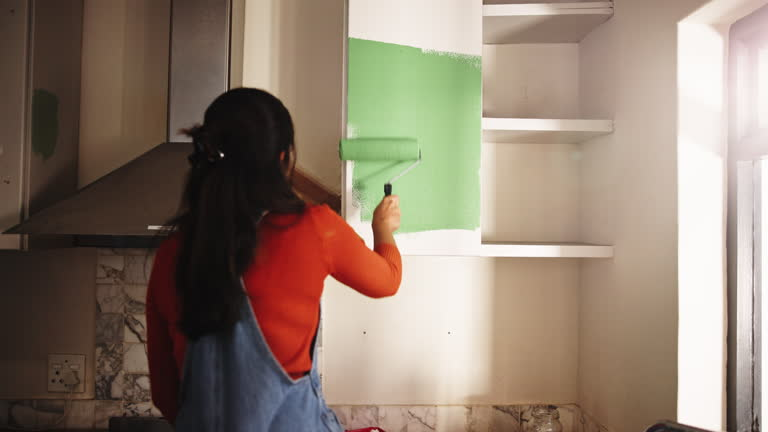
Kitchen cabinets have a major impact on how a kitchen looks and functions. Because cabinets are used every day, they are exposed to fingerprints, grease, moisture, food splatters, cleaning products, and repeated opening and closing. When it is time to update their appearance, choosing the right product to paint kitchen cabinets is one of the most important decisions in the entire project.
Not every wall paint is suitable for cabinets. Kitchen cabinet surfaces require a paint that can adhere properly, level well, resist everyday wear, and withstand regular cleaning after it has fully cured. The right choice also depends on the cabinet material, the existing coating, the condition of the surface, and the type of finish you want.
For homeowners planning to paint kitchen cabinets, understanding the differences between acrylic, alkyd, oil-based, and cabinet-specific coatings can make the selection process easier. This guide explains what paint works best for kitchen cabinets, which finishes to consider, how to prepare the surfaces, and what mistakes can affect the final result.
Why Choosing the Right Paint for Kitchen Cabinets Matters
Kitchen cabinets are different from standard interior walls. A wall usually experiences occasional contact, while cabinet doors and drawers are touched repeatedly throughout the day. Cabinet surfaces may also be located close to cooking areas where grease, steam, and temperature changes can affect the coating.
Using the wrong paint can lead to several problems, including:
- Poor adhesion
- Chipping around handles and edges
- Visible brush or roller marks
- Difficulty cleaning the surface
- Peeling or flaking
- Slow or uneven curing
- A finish that becomes dull or damaged quickly
The goal when choosing kitchen cabinet paint is not simply to find a color that looks good. It is also important to select a coating designed to provide durability and a smooth finish on high-touch surfaces.
A well-planned project considers the condition of the cabinets before painting begins. Professional painters, including Bolden’s Painting Co, generally evaluate surface preparation, existing coatings, and cabinet materials before determining which products and preparation methods are appropriate.
What Paint Should You Use to Paint Kitchen Cabinets?
In many situations, the best option to paint kitchen cabinets is a high-quality acrylic, waterborne alkyd, or cabinet and trim paint specifically formulated for durable interior surfaces.
Waterborne alkyd and cabinet-specific paints are often popular because they can provide a harder, smoother finish than ordinary wall paint while avoiding some of the characteristics associated with traditional oil-based products. High-quality acrylic paints can also work well when they are formulated for cabinets, doors, trim, or other high-contact surfaces.
The best choice depends on the specific project.
For example, a homeowner with previously painted wood cabinets may need a different product and preparation process than someone working with bare wood, laminate, MDF, or thermofoil cabinets.
Before choosing a product, consider:
- What material the cabinets are made from
- Whether the existing surface is painted, stained, sealed, or laminated
- How much cleaning and daily use the cabinets receive
- The desired sheen level
- Whether primer is needed
- Drying and curing requirements
- Ventilation conditions during the project
Why Kitchen Cabinets Need Specially Formulated Paint
Standard wall paint is generally designed for broad vertical surfaces rather than repeated contact. Cabinets experience more friction and physical wear, especially around edges, handles, drawer fronts, and frequently used doors.
Kitchen cabinet paint is often formulated to provide improved:
Adhesion
Cabinet surfaces can be smooth, glossy, or previously coated. A suitable paint system, combined with proper cleaning and sanding, helps the new coating bond to the surface.
Durability
Cabinet coatings need to withstand frequent use. A durable paint is less likely to show damage from normal opening, closing, and cleaning when the surface has been properly prepared and the paint has fully cured.
Leveling
Good leveling helps paint settle into a smoother surface after application. This can reduce the appearance of brush marks and create a more uniform finish.
Washability
Kitchen cabinets may need regular cleaning. Paint designed for durable interior surfaces can make routine maintenance easier after the recommended curing period.
For these reasons, selecting the best paint for kitchen cabinets involves more than choosing a standard interior paint in the desired color.
Types of Paint for Kitchen Cabinets
Several types of paint can be considered for cabinet projects. Each has different characteristics.
Water-Based Acrylic Paint
Water-based acrylic paint is widely used for interior painting because it is generally easier to work with, dries relatively quickly, and typically has lower odor than traditional oil-based paint.
For cabinets, it is important to choose a durable acrylic formulation rather than a basic wall paint. Products designed for doors, trim, and cabinets are generally better suited to high-contact surfaces.
Benefits may include:
- Easier cleanup with water
- Faster drying times
- Lower odor
- Good color retention
- Availability in many colors and sheens
However, durability can vary significantly between products. Always review whether the selected coating is intended for cabinetry or other frequently touched surfaces.
Alkyd or Waterborne Alkyd Paint
Waterborne alkyd paint is commonly considered for cabinet projects because it can provide a durable and smooth finish. These products are designed to combine some characteristics associated with traditional alkyd coatings with the convenience of water-based cleanup.
A waterborne alkyd option may be suitable when homeowners want:
- A harder cured surface
- Good leveling
- A smooth appearance
- Improved durability for high-touch areas
Curing time should still be considered carefully. Paint may feel dry relatively quickly but can take longer to reach its full durability.
Oil-Based Paint
Traditional oil-based paint has long been used on cabinets and trim because of its durable finish and leveling characteristics.
Potential benefits include:
- A hard finish after curing
- Good flow and leveling
- Strong adhesion when used with compatible preparation and primers
However, oil-based products can involve longer drying times, stronger odors, solvent cleanup, and additional ventilation considerations. Some homeowners and painters prefer newer waterborne formulations for interior cabinet projects.
Cabinet and Trim Paint
Cabinet and trim paints are specifically formulated for surfaces that require more durability than standard walls. Depending on the product, they may offer good adhesion, leveling, washability, and resistance to everyday wear.
For many cabinet projects, a cabinet-specific paint can be a practical option because the coating is designed with high-contact interior surfaces in mind.
Comparison Table: Best Paint Types for Kitchen Cabinets
| Paint Type | Main Characteristics | Best Use | Considerations |
|---|---|---|---|
| Water-Based Acrylic | Fast drying, easier cleanup, lower odor | Cabinets when using a durable trim or cabinet formulation | Product quality and surface preparation are important |
| Waterborne Alkyd | Smooth finish and durable cured surface | High-use kitchen cabinets | May require a longer curing period |
| Oil-Based Paint | Durable and good leveling | Certain cabinet and trim projects | Stronger odor, solvent cleanup, and longer drying time |
| Cabinet-Specific Paint | Designed for cabinets and high-touch surfaces | Most cabinet repainting projects | Follow manufacturer instructions for primer and application |
| Standard Wall Paint | Designed mainly for walls | Generally not ideal for cabinets | May not provide enough durability for repeated contact |
What Is the Best Paint Finish for Kitchen Cabinets?
The paint sheen affects both appearance and maintenance. The right finish depends on the condition of the cabinets and the overall look you want.
Satin Finish
Satin provides a soft sheen without appearing highly reflective. It can create a balanced appearance and is often easier to maintain than a flat finish.
Satin may be a suitable option for homeowners who want a subtle finish while still choosing a coating intended for durable surfaces.
Semi-Gloss Finish
Semi-gloss is a common choice for kitchen cabinet paint because it offers more sheen and can make surfaces easier to clean.
It may also provide a more traditional painted cabinet appearance. However, a higher sheen can make surface imperfections more noticeable.
Gloss Finish
Gloss finishes provide the highest level of reflectivity among these options. They can create a polished appearance but may highlight dents, scratches, uneven sanding, and other imperfections.
Careful preparation is particularly important when using a glossier finish.
How to Choose the Best Paint for Kitchen Cabinets

Choosing the best paint for kitchen cabinets starts with evaluating the existing surface rather than selecting a paint based on color alone.
Consider the Cabinet Material
Wood cabinets can absorb moisture and may have grain or previous finishes that affect paint adhesion. MDF requires care around exposed edges because these areas can absorb coatings differently.
Laminate cabinets have smooth, nonporous surfaces and often require thorough cleaning, appropriate sanding or surface preparation, and a compatible bonding primer.
Before you paint kitchen cabinets, identify the cabinet material and check the condition of the existing finish.
Consider the Existing Coating
Previously painted cabinets may need cleaning, sanding, repairs, and spot priming. Cabinets with a glossy factory finish may need surface dulling and a suitable primer to improve adhesion.
Stained or sealed cabinets can also require additional preparation depending on the coating system.
Consider Daily Kitchen Use
A frequently used family kitchen may place greater demands on cabinet paint than a kitchen with lighter daily use. High-touch areas should be painted with a durable coating appropriate for repeated cleaning and contact.
Consider Color Choice
Light colors can make a kitchen feel brighter, while darker colors may create more contrast. However, the paint color itself can affect how often fingerprints and marks are visible.
Very dark colors may show dust and fingerprints more easily. Bright whites may reveal food splatters or discoloration. The best choice depends on the kitchen’s lighting, existing finishes, and maintenance preferences.
Do You Need Primer Before Painting Kitchen Cabinets?
Primer is often an important part of the process, but whether it is necessary depends on the surface and the paint system being used.
Primer may be particularly useful when:
- Painting bare wood
- Covering stains or tannin bleed
- Painting laminate surfaces
- Changing from a dark color to a lighter color
- Working with glossy existing finishes
- Painting repaired or patched areas
- The paint manufacturer recommends a specific primer
A bonding primer may help improve adhesion on difficult surfaces. Stain-blocking primers can be useful when discoloration or wood tannins could affect the topcoat.
Always check that the primer is compatible with both the cabinet surface and the selected topcoat.
How to Prepare Cabinets Before Painting
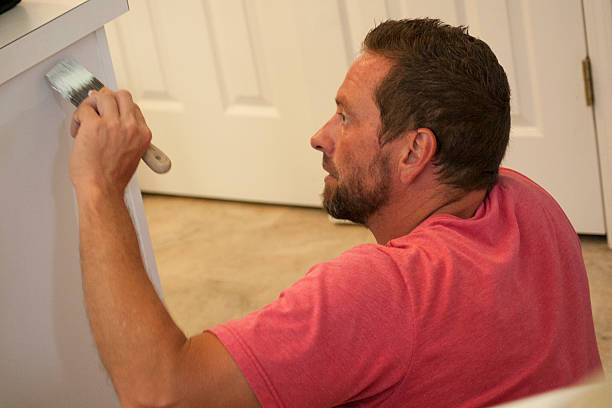
Surface preparation is one of the most important steps when planning to paint kitchen cabinets. Even high-quality kitchen cabinet paint can fail if grease, dirt, loose paint, or incompatible coatings remain on the surface.
Step 1: Remove Hardware
Remove handles, knobs, and other hardware when possible. This makes it easier to prepare and paint the entire surface consistently.
Step 2: Label Doors and Drawers
Label doors, hinges, and drawers before removing them. This can make reinstallation easier, especially in kitchens with many cabinets.
Step 3: Clean Thoroughly
Kitchen cabinets can collect grease and residue that may not be immediately visible. Use an appropriate cleaner to remove contaminants before sanding.
The surface should be clean and dry before moving to the next stage.
Step 4: Repair Damage
Fill small dents, scratches, and imperfections using an appropriate filler. Allow repairs to dry fully and sand them smooth.
Step 5: Sand the Surface
Sanding can help remove loose material and create an appropriate surface for the next coating. The goal is generally not to remove every existing layer unless the project requires it.
Remove sanding dust thoroughly before priming or painting.
Step 6: Apply Primer When Needed
Use a compatible primer based on the cabinet material and paint manufacturer’s recommendations.
Step 7: Apply the Paint
Apply thin, even coats according to product instructions. Avoid applying excessively heavy coats in an attempt to finish the project more quickly.
Allow the recommended drying time between coats.
Step 8: Allow Proper Curing
Drying and curing are not the same. Paint may feel dry to the touch before it has developed its full resistance to wear.
Follow the manufacturer’s curing recommendations before heavy use or aggressive cleaning.
Common Mistakes to Avoid When Painting Kitchen Cabinets
Several common mistakes can affect how long a cabinet finish lasts.
Skipping the Cleaning Process
Kitchen grease can interfere with adhesion. Cleaning is necessary even when cabinets do not look visibly dirty.
Using Standard Wall Paint
Not every interior wall paint is designed for repeated contact. Choose a durable kitchen cabinet paint or another product specifically suitable for doors, trim, or cabinetry.
Skipping Surface Preparation
Glossy surfaces and damaged coatings may need sanding, repairs, or primer before painting.
Applying Paint Too Thickly
Heavy coats can lead to drips, uneven drying, and visible imperfections. Multiple thin coats generally provide better control.
Ignoring Curing Time
Using cabinets too aggressively before the coating fully cures can increase the risk of marks or damage.
Choosing Sheen Without Considering Surface Condition
Higher-gloss finishes can make imperfections more visible. Consider the condition of the cabinet doors before selecting the sheen.
A Basic Step-by-Step Process to Paint Kitchen Cabinets
A typical process may include the following steps:
- Inspect the cabinets and identify the surface material.
- Remove doors, drawers, and hardware when appropriate.
- Label all components for easier reinstallation.
- Clean away grease, dirt, and residue.
- Repair dents, chips, and damaged areas.
- Sand or otherwise prepare the surface as required.
- Remove all sanding dust.
- Apply a compatible primer when necessary.
- Apply the first thin coat of cabinet paint.
- Allow the coating to dry according to the manufacturer’s instructions.
- Lightly sand between coats if the paint system recommends it.
- Apply additional coats for even coverage.
- Allow the paint to cure fully.
- Reinstall doors, drawers, and hardware.
The exact process can vary based on cabinet material, the existing coating, and the selected product.
Homeowners who are unsure how to prepare a particular surface may benefit from consulting experienced painting professionals. Bolden’s Painting Co can assess interior surfaces and help determine an appropriate approach based on the existing cabinet condition and painting requirements.
How Long Does Cabinet Paint Last?
The lifespan of painted cabinets depends on several factors, including:
- Surface preparation
- Paint and primer compatibility
- Quality of the coating
- Application method
- Number and thickness of coats
- Curing time
- Daily cabinet use
- Cleaning practices
- Moisture and heat exposure
A properly prepared and maintained cabinet finish can remain in good condition for years, but there is no single lifespan that applies to every kitchen. High-use cabinets near sinks, stoves, and frequently touched areas may show wear sooner than less-used cabinets.
Regular cleaning with appropriate products and avoiding unnecessarily abrasive scrubbing can help maintain the finish.
Professional Considerations for Cabinet Painting
Cabinet painting requires attention to preparation, product selection, application, and curing. Because cabinets are prominent features in a kitchen, uneven finishes and adhesion problems can be especially noticeable.
Professional painters may use a structured process that includes evaluating the surface, addressing damage, preparing the substrate, selecting compatible primers and coatings, and applying the finish under suitable conditions.
For homeowners seeking guidance on a cabinet painting project, Bolden’s Painting Co can provide information about painting approaches for interior surfaces and help evaluate the preparation and coating requirements for a specific kitchen.
Local conditions can also matter. In areas with seasonal humidity changes, temperature variations, or different ventilation conditions, painters may need to consider how the environment affects surface preparation and drying. This GEO-focused approach is useful because kitchen cabinet projects are not always completed under identical indoor conditions.
A local painting professional can evaluate the specific home, cabinet material, existing coating, and environmental conditions rather than applying a one-size-fits-all process.
Conclusion
Choosing the right paint to paint kitchen cabinets is essential for creating a finish that looks consistent and can handle regular kitchen use. High-quality acrylic, waterborne alkyd, and cabinet-specific coatings are among the options commonly considered, while the best choice depends on the cabinet material, existing finish, desired sheen, and preparation requirements.
The preparation process is just as important as the paint itself. Thorough cleaning, proper sanding, necessary repairs, compatible primer, thin paint coats, and sufficient curing time can all influence the final result.
Before starting your project, evaluate the condition and material of your cabinets and follow the instructions for the specific coating system you choose. If you need guidance about preparing or painting cabinets in your home, Bolden’s Painting Co can help assess the project requirements. Contact us to discuss your interior painting needs and determine the most appropriate approach for your kitchen cabinets.
Frequently Asked Questions
What is the best type of paint to use on kitchen cabinets?
A durable acrylic, waterborne alkyd, or cabinet-specific paint is often suitable for kitchen cabinets. The best option depends on the cabinet material, existing coating, surface condition, and desired finish.
Can I use regular wall paint to paint kitchen cabinets?
Regular wall paint is generally not the best choice because cabinets experience more frequent contact and cleaning. A paint formulated for cabinets, trim, doors, or other high-touch surfaces is usually more appropriate.
What finish is best for kitchen cabinet paint?
Satin and semi-gloss are common choices. Satin provides a softer sheen, while semi-gloss offers more reflectivity and can be easier to clean. The best finish depends on the desired appearance and condition of the cabinet surface.
Do I need to sand cabinets before painting?
In many cases, yes. Sanding can help remove loose material, smooth imperfections, and prepare glossy surfaces for a compatible primer or paint. The exact preparation method depends on the cabinet material and existing finish.
Do I need primer before painting kitchen cabinets?
Primer may be necessary for bare wood, laminate, glossy surfaces, stained cabinets, repaired areas, or significant color changes. Always check the paint manufacturer’s recommendations.
How many coats of paint do kitchen cabinets need?
The number of coats depends on the paint, color, surface, and coverage. Multiple thin coats are commonly used to achieve even coverage and a consistent finish.
How long should cabinet paint cure before using the cabinets?
Curing times vary by product. Paint may feel dry before it has fully hardened, so follow the manufacturer’s instructions before returning cabinets to normal heavy use.
Can laminate kitchen cabinets be painted?
Yes, some laminate cabinets can be painted with appropriate cleaning, surface preparation, bonding primer, and compatible paint. Because laminate is smooth and nonporous, proper adhesion is particularly important.
What is the easiest way to keep painted kitchen cabinets clean?
Use gentle cleaning methods appropriate for the fully cured coating. Avoid unnecessarily abrasive cleaners or scrubbing materials that may damage the finish.
Should I hire a professional to paint kitchen cabinets?
The answer depends on your experience, available time, cabinet condition, and desired finish. Cabinets require detailed preparation and careful application, so professional assistance can be useful for complex surfaces, damaged cabinets, or larger projects.