
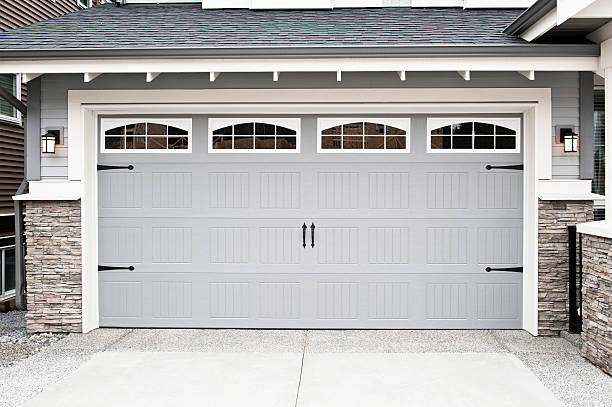
Choosing between garage door colors can be more complicated than it first appears. A garage door may cover a significant portion of the front-facing exterior, so its color can influence how the entire house looks from the street.
The right color does not necessarily have to be the boldest option. In many cases, the best choice is a shade that complements the siding, brick, stone, trim, roof, windows, and other exterior elements already present on the property.
Homeowners in Wichita and surrounding Kansas communities also have weather conditions to consider. Strong sunlight, seasonal temperature changes, wind, and moisture can affect exterior painted surfaces over time. Choosing an appropriate exterior coating and preparing the garage door correctly can therefore be just as important as selecting the color.
This guide explains how to choose garage door colors based on your home’s existing exterior, architectural style, surrounding environment, and personal preferences.
How to Choose the Right Garage Door Color
There is no single garage door color that works for every property. Instead, look at the exterior as a complete color palette.
Before choosing a paint color, consider these factors:
- The color of your siding or brick
- Exterior trim and shutters
- Roof color
- Front door color
- Window frames
- Stone or masonry
- Landscaping
- Amount of sunlight the garage receives
- Architectural style of the home
- The overall look you want to create
A useful approach is to choose a garage door color that belongs to the same general color family as one or more existing exterior elements.
Consider Your Home’s Exterior Color
The garage door should generally work with the main exterior color rather than compete with it.
For example, a light gray house can work well with a white, charcoal, medium gray, or muted blue-gray garage door. A beige or cream-colored exterior may pair naturally with taupe, brown, warm gray, or off-white.
If your home has brick or stone, look at the subtle colors within those materials. A garage door does not have to match brick exactly. Instead, it can pick up a secondary tone from the masonry.
For homes with highly detailed exteriors, a quieter garage door color can help maintain visual balance.
Match the Door With Your Trim
One of the simplest ways to choose garage door colors is to coordinate the door with the home’s trim.
White garage doors are particularly versatile because they can connect visually with white window frames, fascia, columns, or other trim.
However, matching the garage door to trim is not a strict rule. A darker door can create contrast while still coordinating with the surrounding exterior.
For example, a home with light siding and dark window trim could use a charcoal garage door to create a consistent transition between those darker elements.
Look at Your Roof Color
The roof is another major color element that should not be overlooked.
A dark gray or black roof can support a charcoal or black garage door. A brown roof may work better with warmer shades such as medium brown, tan, beige, or cream.
If your roof has multiple tones, identify the most noticeable undertone. Warm roofs generally work well with warm garage door colors, while cool roofs tend to coordinate better with cool grays, blues, and similar shades.
Consider Your Home’s Architectural Style
Architectural style can also influence garage door colors.
Traditional homes often work well with neutral shades such as white, cream, beige, brown, or gray. Modern homes can accommodate stronger contrasts, including black, charcoal, deep blue, or muted green.
For Craftsman-style homes, earthy colors such as sage, olive, brown, or deep gray may complement wood and stone details.
The goal is not to follow a rigid rule. Instead, consider whether the color supports the home’s existing design.
Think About Sunlight and Climate
Sun exposure can affect how a garage door color looks throughout the day. A shade that appears subtle in the morning may look significantly different under strong afternoon sunlight.
Dark colors can also absorb more solar heat than lighter colors. This does not automatically mean that dark garage doors should be avoided, but homeowners should consider the door’s material, orientation, paint system, and manufacturer’s recommendations.
In Kansas, where exterior surfaces can experience strong summer sun and changing temperatures, selecting a suitable exterior paint system and following proper application instructions is important.
Best Garage Door Colors for Different Home Styles
There are many garage door paint colors to consider, but certain shades remain popular because they coordinate with a wide range of exterior designs.
| Garage Door Color | Works Well With | Overall Effect |
| White | Most siding, brick, and trim | Clean and classic |
| Black | White, gray, stone, modern exteriors | Strong contrast |
| Gray | White, blue, brick, stone | Balanced and contemporary |
| Beige | Warm siding, brick, brown roofs | Soft and traditional |
| Brown | Wood, brick, tan, cream | Warm and natural |
| Navy | White, gray, stone, brick | Rich and sophisticated |
| Sage Green | Cream, beige, natural stone | Earthy and relaxed |
| Charcoal | Light siding and modern exteriors | Dramatic but neutral |
White Garage Doors
White remains one of the most adaptable choices.
It works particularly well when the home’s trim, windows, columns, or other exterior details are already white. A white garage door can also help a darker house appear more balanced.
However, bright white is not the only option. Soft white, ivory, and warm white can create a gentler appearance on homes with cream, beige, or warm gray exteriors.
Black Garage Doors
Black can create a strong architectural statement.
It works especially well with white, light gray, natural stone, and contemporary exterior designs. Black garage doors can also visually connect with black window frames, exterior lighting, hardware, or fencing.
Because black creates significant contrast, it is worth testing the color in natural daylight before committing to it.
Gray Garage Doors
Gray is one of the most flexible choices for homeowners who want something different from white without going extremely dark.
Light gray can create a subtle transition between the garage and the rest of the exterior. Medium and charcoal grays provide more contrast.
The undertone matters. Some grays have blue undertones, while others have green, beige, or brown undertones. The best gray depends on the existing colors around the garage.
Beige and Taupe Garage Doors
Warm neutral colors can work particularly well with traditional homes, brick, stone, and warm-colored siding.
Taupe sits between gray and brown, making it useful when a homeowner wants a neutral shade that feels warmer than standard gray.
These colors are particularly helpful when the home’s exterior already contains earthy tones.
Brown Garage Doors
Brown garage doors can complement wood siding, brick, stone, tan siding, and other natural materials.
The key is selecting the right undertone. A reddish brown may look different from an espresso brown or a muted walnut shade.
Rather than trying to match wood exactly, consider coordinating the garage door with the overall warmth of the home’s exterior.
Dark blue can provide color without becoming overly bright.
Navy garage doors can work with white siding, light gray exteriors, brick, and stone. They can also coordinate with a navy front door or shutters.
For homeowners who want something more distinctive than gray or black, navy is worth considering.
Green Garage Doors
Muted green shades, including sage and olive, can work well with homes surrounded by mature landscaping.
Green is particularly effective when the property already features natural stone, wood, cream siding, or other earthy materials.
Bright green is a much stronger statement and should be evaluated carefully against the rest of the exterior.
Should Your Garage Door Match Your Front Door?

The garage door and front door are both important architectural features, but they do not have to be identical.
Matching them can create a coordinated appearance, particularly when both doors are visible from the street. However, contrasting colors can also work.
For example, a home might have a natural wood or deep blue front door paired with a neutral gray garage door.
A useful rule is to make sure the two colors complement each other rather than compete for attention.
If the front door is already a strong accent color, keeping the garage door neutral can create better overall balance.
Should a Garage Door Match the House or Trim?
There is no universal requirement.
Matching the garage door to the siding can make it blend into the exterior, which can be useful when homeowners want the garage to be less visually prominent.
Matching the door to the trim creates more definition and can make the garage look like an intentional architectural element.
Another approach is to use a contrasting neutral. For example, a light-colored home might use a medium or dark gray garage door.
The best option depends on whether you want the garage to blend in or stand out.
Light vs. Dark Garage Door Colors
The choice between light and dark garage door colors often comes down to the visual effect you want.
Benefits of Light Colors
Light colors can:
- Make the garage door appear less visually heavy
- Coordinate easily with light siding
- Reflect more sunlight than very dark colors
- Create a classic exterior appearance
- Work well with traditional architectural styles
Benefits of Dark Colors
Dark colors can:
- Create stronger contrast
- Complement modern architecture
- Coordinate with dark window frames
- Highlight architectural details
- Give a large garage door a more intentional appearance
Dark colors are not automatically better or worse. The home’s proportions, exterior materials, sunlight exposure, and surrounding colors should all be considered.
Garage Door Colors for Wichita and Kansas Homes
For homeowners in Wichita and nearby Kansas communities, exterior color decisions should account for the local environment.
Kansas homes can experience hot summers, strong sunlight, wind, rain, and significant seasonal temperature changes. These conditions can place stress on exterior coatings.
That makes surface preparation and product selection important when repainting a garage door.
Homeowners should inspect the door for:
- Peeling paint
- Cracks
- Chalking
- Rust or corrosion
- Dirt and mildew
- Previous coating failure
- Damaged or deteriorated surfaces
Before selecting a new color, determine whether the existing surface is suitable for repainting. Some garage doors may require additional preparation or a coating system designed for the specific material.
For homeowners looking for local painting information, Bolden’s Painting Co serves Wichita and nearby communities and provides residential and commercial painting services. Its stated service offerings include interior and exterior repainting, along with specialty services such as vinyl repainting and stucco repainting.
The company also identifies Wichita, Derby, Andover, Newton, Rose Hill, Goddard, Valley Center, El Dorado, Park City, and Maize among its service areas.
Garage Door Paint Finish: What Should You Choose?
Color is only one part of the decision. The finish can change how the color appears and how the surface performs.
Satin Finish
Satin provides a moderate level of sheen without looking highly glossy. It can be a practical option for exterior doors because it offers some visual depth while remaining relatively understated.
Semi-Gloss Finish
Semi-gloss has more sheen and can make architectural details stand out. It may also be easier to clean than a very flat finish.
Gloss Finish
Gloss creates a highly reflective appearance. It can make a bold color look even more dramatic, but it may also emphasize surface imperfections.
The right finish depends on the garage door material, condition, paint product, and desired appearance. Always follow the coating manufacturer’s recommendations.
Common Garage Door Color Mistakes to Avoid
Choosing a Color Without Considering the Whole Exterior
A garage door should be evaluated alongside siding, brick, roof, trim, windows, and landscaping.
Ignoring Undertones
Two colors that appear similar on a paint card can look very different when placed against a warm brick or cool gray siding.
Selecting a Color Only From a Small Sample
A small paint chip does not show how a color will look across a large garage door.
Automatically Choosing Black
Black is popular, but it is not universally suitable. Consider sunlight exposure, surrounding colors, architectural style, and the garage door material before choosing it.
Skipping Surface Preparation
Even the right color can look poor if the surface underneath is peeling, dirty, chalky, or damaged.
Forgetting About the Garage Door Hardware
Handles, hinges, windows, and other components can influence how the finished door looks. Consider these details when evaluating color combinations.
How to Test a Garage Door Color Before Painting
Before painting the entire garage door, test the color.
A practical process is:
- Select two or three possible shades.
- Obtain physical paint samples.
- Test each shade on a suitable small area.
- Observe the colors in morning, afternoon, and evening light.
- Compare the samples against the siding, trim, roof, and front door.
- View the colors from the street as well as close up.
- Choose the shade that works best with the entire exterior.
Natural light can dramatically change how a color appears. Testing helps reduce the chance of choosing a shade that looks different from what you expected.
Garage Door Color Ideas by Exterior Combination
White House
Consider:
- Black
- Charcoal
- Navy
- Gray
- White
A white home offers substantial flexibility, making contrast particularly effective.
Gray House
Consider:
- White
- Charcoal
- Black
- Navy
- Medium gray
Pay close attention to whether the gray siding has warm or cool undertones.
Beige House
Consider:
- Brown
- Taupe
- Cream
- Warm gray
- Dark bronze
Warm neutrals tend to coordinate naturally with beige exteriors.
Brick House
Consider:
- Brown
- Black
- Cream
- Deep green
- Charcoal
Instead of matching the brick exactly, look for a garage door shade that complements its dominant or secondary tones.
Stone Exterior
Consider:
- Charcoal
- Brown
- Black
- Taupe
- Muted green
Natural stone often contains multiple colors, so identifying its undertones is particularly useful.
When Is It Time to Repaint a Garage Door?
Color preference is not the only reason to repaint.
Look for visible signs of coating deterioration, including:
- Peeling
- Cracking
- Fading
- Chalking
- Flaking
- Exposed substrate
- Rust
- Uneven previous repairs
The condition of the existing coating should be evaluated before deciding whether repainting is appropriate.
For larger exterior painting projects, Bolden’s Painting Co emphasizes preparation, repainting, restoration, and proper application as part of its approach to residential and commercial painting.
The company reports more than 30 years of painting experience and identifies itself as family-owned and locally operated in Wichita.
How Professional Painting Can Help
Painting a garage door may appear straightforward, but the preparation and application requirements depend on the material and condition of the door.
A proper process may include:
- Inspecting the existing coating
- Cleaning the surface
- Removing loose or failing paint
- Repairing suitable surface defects
- Sanding where necessary
- Priming when required
- Selecting a compatible exterior coating
- Applying the appropriate number of coats
- Allowing adequate drying and curing time
Bolden’s Painting Co provides residential and exterior painting services in the Wichita area, making it a local option for homeowners researching exterior repainting needs.
For homeowners considering a larger painting project, understanding the preparation process can be more valuable than simply selecting a color. A well-chosen shade still requires appropriate surface preparation and application to achieve the intended appearance.
FAQ: Garage Door Colors
What is the most popular color for a garage door?
White, gray, black, and neutral shades are commonly considered versatile garage door colors. The best choice depends on the home’s siding, trim, roof, and architectural style.
Should a garage door be the same color as the front door?
It does not have to be. Matching colors can create a coordinated appearance, while complementary or contrasting colors can provide more visual interest.
Should my garage door match my house or trim?
Either approach can work. Matching the siding can help the garage blend into the exterior, while matching the trim can create a more defined architectural appearance.
What are the best garage door colors for a gray house?
White, charcoal, black, navy, and different shades of gray can work well with gray siding. The gray’s undertone should be considered before selecting the final shade.
Is black a good color for a garage door?
Black can be an effective choice for many homes, especially those with light siding, stone, or dark exterior details. However, sunlight exposure and the garage door material should be considered.
What garage door colors work well with brick?
Brown, black, cream, charcoal, and certain muted greens can complement brick. Instead of matching the brick exactly, look for colors that coordinate with its undertones.
Does garage door color affect heat?
Darker colors generally absorb more solar radiation than lighter colors. The actual effect depends on the door’s material, construction, exposure, coating, and local conditions.
How do I know which garage door paint color will look best?
Test physical samples on or near the garage door and view them under different lighting conditions. Compare them with the home’s siding, roof, trim, windows, and front door.
What finish is best for a garage door?
Satin and semi-gloss finishes are common choices, but the appropriate finish depends on the door material, coating manufacturer’s recommendations, desired appearance, and surface condition.
How often should a garage door be repainted?
There is no universal schedule. Repainting depends on the existing coating, exposure to weather and sunlight, surface material, preparation quality, and visible signs of deterioration such as peeling or fading.
Conclusion
The best garage door colors are not determined by trends alone. The right choice depends on your home’s siding, brick, roof, trim, windows, architectural style, sunlight exposure, and the visual balance you want to create.
White, gray, black, beige, brown, navy, and muted green can all work well in the right setting. The key is to consider the entire exterior rather than choosing a color in isolation.
For Wichita homeowners, local weather conditions and the condition of the existing garage door should also be considered before repainting. Testing samples in natural light and evaluating the surface before selecting a coating can help prevent common mistakes.
If you need help evaluating an exterior painting project or selecting an appropriate approach for your home, contact us to discuss your specific painting needs. Bolden’s Painting Co provides residential and commercial painting services in Wichita and surrounding Kansas communities.