An accent wall can completely change the appearance of a room by adding depth, contrast, and personality. However, achieving the desired result requires more than selecting a bold paint color. Many homeowners unknowingly make design choices that reduce the impact of their accent wall or make a space feel unbalanced.
Understanding the most common accent wall mistakes can help you avoid unnecessary expenses and ensure your room looks cohesive. From selecting the wrong wall to overlooking lighting and paint finishes, small decisions often have a significant effect on the final outcome.
Whether you are updating a living room, bedroom, kitchen, or office, careful planning makes all the difference. Homeowners working with experienced professionals like Bolden’s Painting Co can also benefit from expert recommendations based on room layout, lighting conditions, and local home styles.
What Is an Accent Wall?
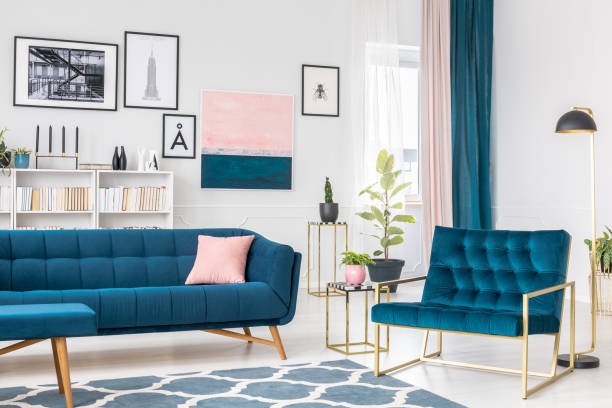
An accent wall is a single wall within a room that differs from the surrounding walls through color, texture, wallpaper, wood, or another decorative material. Instead of painting an entire room in a bold shade, an accent wall creates visual interest while maintaining balance.
A thoughtfully designed accent wall can:
- Highlight architectural features
- Create a focal point
- Add depth to smaller spaces
- Introduce color without overwhelming the room
- Refresh an interior with minimal renovation
When properly planned, an accent wall enhances the overall design instead of distracting from it.
Why Proper Accent Wall Planning Matters
Many homeowners assume any wall can become an accent wall, but designers know that placement, color selection, lighting, and room layout all influence the final appearance.
Proper planning helps:
- Improve visual balance
- Complement furniture placement
- Enhance natural lighting
- Make rooms appear larger or more inviting
- Increase design consistency throughout the home
Choosing carefully also reduces the likelihood of repainting later.
The Most Common Accent Wall Mistakes
Choosing the Wrong Wall
One of the biggest accent wall mistakes is selecting a random wall simply because it has empty space.
The accent wall should usually be the room’s natural focal point.
Examples include:
- Fireplace wall
- Wall behind the bed
- Television wall
- Built-in shelving
- Dining room feature wall
Painting a secondary wall often creates visual confusion instead of improving the room.
How to Avoid It
Stand at the entrance of the room and identify the wall your eyes naturally notice first.
Using a Color That Does Not Fit the Room
A beautiful paint color may not work in every room.
Dark colors can overwhelm smaller spaces, while bright colors may clash with existing furniture and flooring.
How to Avoid It
Consider:
- Flooring
- Cabinets
- Trim
- Furniture
- Artwork
- Natural light
Choose colors that complement rather than compete.
Ignoring Natural and Artificial Lighting
Paint colors change dramatically throughout the day.
North-facing rooms often appear cooler, while south-facing rooms receive warmer light.
Artificial lighting also affects how colors appear during the evening.
How to Avoid It
Paint large sample areas and observe them in both daylight and evening lighting before making a final decision.
Forgetting About Paint Finish
Many homeowners focus only on color while overlooking paint finish.
Different finishes affect both appearance and durability.
| Paint Finish | Best Applications | Advantages |
| Matte | Bedrooms | Hides imperfections |
| Eggshell | Living rooms | Soft appearance |
| Satin | Hallways | Easy cleaning |
| Semi Gloss | Kitchens and bathrooms | Moisture resistant |
Selecting the correct finish improves longevity.
Following Trends Instead of Your Home’s Style
Social media trends change quickly.
A trendy black accent wall may look impressive online but may not complement a traditional home.
How to Avoid It
Choose colors that suit your home’s architecture and existing interior design.
Timeless choices generally remain appealing longer.
Not Testing Paint Samples
Paint colors rarely look identical to small color swatches.
Lighting, ceiling height, flooring, and nearby furniture all influence the final appearance.
How to Avoid It
Always test multiple paint samples on the chosen wall before purchasing large quantities.
Ignoring Furniture Placement
Furniture often determines the room’s focal point.
Painting a wall hidden behind cabinets or bookshelves reduces the accent wall’s effectiveness.
How to Avoid It
Select a wall that frames major furniture pieces rather than competing with them.
Creating Too Many Accent Walls
Accent walls are intended to stand out.
When every room contains multiple feature walls, the visual impact disappears.
How to Avoid It
Reserve accent walls for rooms where they genuinely improve the design.
Balance remains one of the most important principles in interior decorating.
Poor Surface Preparation
Skipping preparation often leads to disappointing results.
Common problems include:
- Peeling paint
- Uneven texture
- Visible patches
- Roller marks
- Poor paint adhesion
How to Avoid It
Before painting:
- Repair holes
- Fill cracks
- Sand rough surfaces
- Clean walls thoroughly
- Apply primer when needed
Preparation significantly affects the final finish.
DIY Application Mistakes
Painting appears straightforward but achieving crisp edges and smooth coverage requires practice.
Common DIY issues include:
- Uneven coats
- Drips
- Brush marks
- Visible roller lines
- Poor edging
How to Avoid It
Use quality tools and appropriate painting techniques, or consider working with experienced professionals.
How to Choose the Right Accent Wall
Selecting the correct wall involves more than personal preference.
Consider these factors:
Natural Focal Point
The accent wall should already attract attention.
Architectural Features
Fireplaces, built-in shelving, exposed brick, and decorative molding make excellent accent walls.
Room Entry
The wall most visible upon entering often creates the strongest first impression.
Lighting
Evaluate how sunlight changes throughout the day before choosing paint colors.
Furniture Layout
Large furniture pieces should complement rather than block the accent wall.
Best Accent Wall Colors for Different Rooms
Living Room
- Navy blue
- Charcoal
- Olive green
- Warm gray
Bedroom
- Sage green
- Deep blue
- Soft gray
- Taupe
Dining Room
- Burgundy
- Forest green
- Rich navy
Kitchen
- Warm white
- Deep green
- Earth tones
Home Office
- Slate blue
- Olive
- Charcoal
Color selection should always consider lighting and surrounding décor.
Professional Painting vs DIY
While many homeowners enjoy painting projects, professional painters often deliver more consistent results.
Professionals can assist with:
- Color consultation
- Surface preparation
- Wall repairs
- Paint selection
- Precision edging
- Long-lasting finishes
Experienced companies such as Bolden’s Painting Co understand how room size, lighting, architectural details, and local home styles influence the final appearance. Their knowledge helps homeowners avoid common accent wall mistakes while achieving a clean and durable finish.
Accent Wall Planning Checklist
| Color | Common Effect | Best Rooms |
| Blue | Calm and relaxing | Bedroom, office |
| Green | Natural and balanced | Living room, bedroom |
| Gray | Modern and neutral | Living room, office |
| Navy | Sophisticated | Dining room, bedroom |
| Terracotta | Warm and inviting | Living room |
| Charcoal | Dramatic | Modern interiors |
Conclusion
Avoiding common accent wall mistakes begins with thoughtful planning. Selecting the right wall, choosing colors that complement the room, considering lighting conditions, and preparing surfaces properly all contribute to a successful result. A well-designed accent wall should enhance the room’s natural focal point while creating balance and visual interest.
Whether you are updating a modern home, renovating a traditional property, or refreshing a single room, careful design decisions lead to better long-term satisfaction. Working with experienced professionals such as Bolden’s Painting Co can help homeowners choose finishes and colors that suit both their home’s style and the preferences common throughout the local area. If you are planning your next interior painting project, contact us to learn more about creating an accent wall that complements your home.
Frequently Asked Questions
What is the biggest accent wall mistake?
Choosing the wrong wall is one of the most common mistakes. The accent wall should usually be the room’s natural focal point.
Should every room have an accent wall?
No. Accent walls work best when used intentionally. Too many feature walls can make a home feel visually cluttered.
Can dark colors work on accent walls?
Yes. Dark colors can create depth and sophistication when paired with appropriate lighting and balanced with lighter surrounding walls.
Should I paint the wall with the most windows?
Generally, no. Walls interrupted by several windows often provide less visual impact unless they include architectural features worth highlighting.
How do I know if my accent wall color is right?
Test paint samples under different lighting conditions before making a final decision.
Is professional painting worth considering?
Professional painters can help with color selection, preparation, application, and achieving a finish that lasts longer with fewer imperfections.