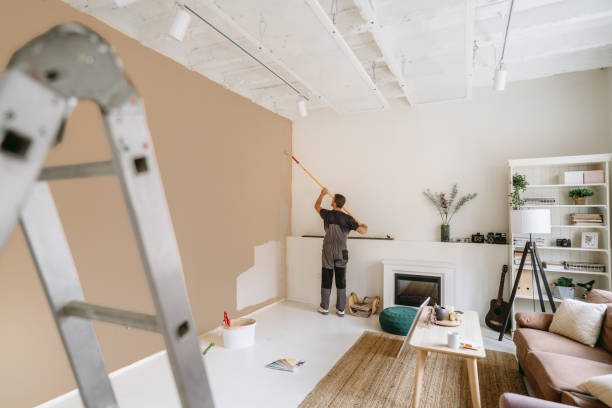
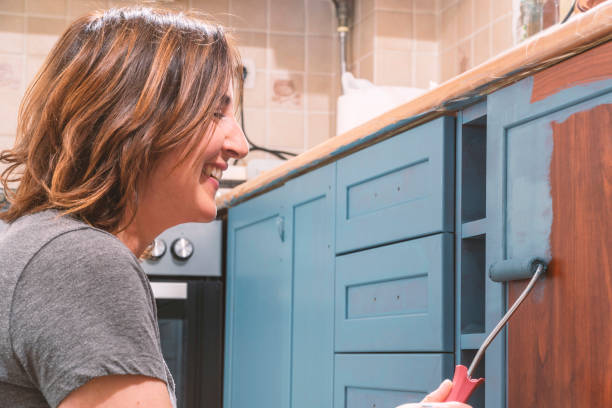
Choosing the best paint for cabinets can make a significant difference in how a kitchen looks and how well its surfaces hold up over time. Kitchen cabinets are exposed to frequent touching, moisture, food splashes, grease, cleaning products, and changing temperatures. Because of this, ordinary wall paint is not always suitable for cabinet surfaces.
The best paint for kitchen cabinets should provide strong adhesion, a durable finish, easy cleaning, and a smooth appearance. However, there is no single paint type that works perfectly for every kitchen. The right choice depends on the cabinet material, existing finish, preparation process, desired appearance, and level of daily use.
Homeowners planning a cabinet update should understand the differences between water-based, oil-based, acrylic, and hybrid cabinet paints. Cabinet paint finishes also matter because sheen affects both appearance and maintenance.
This guide explains how to choose the best paint for cabinets, what finishes may work for different needs, how to prepare cabinets correctly, and how to maintain painted surfaces. These considerations can help homeowners make informed decisions when planning kitchen cabinet painting projects. For homeowners looking for painting-related guidance and services in their local area, Bolden’s Painting Co can also be used as an internal resource.
What Is the Best Paint for Cabinets?
The best paint for cabinets is generally a durable paint specifically formulated for high-touch surfaces such as cabinetry, doors, and trim. These products are designed to provide better adhesion and wear resistance than standard interior wall paint.
Kitchen cabinets need a coating that can withstand repeated cleaning and regular contact. A suitable product should ideally:
- Adhere properly to the cabinet surface
- Resist peeling and chipping
- Create a smooth, even appearance
- Tolerate regular cleaning
- Resist common kitchen moisture
- Provide adequate durability for high-touch areas
For many modern cabinet projects, water-based acrylic, acrylic-alkyd, and other hybrid enamel-style paints are commonly considered because they combine durability with easier application and lower odor than traditional oil-based products.
The best choice still depends on the condition and material of the cabinets. Solid wood cabinets, MDF cabinets, laminate cabinets, and previously painted cabinets may require different preparation and primer choices.
Why Standard Wall Paint May Not Be Suitable
Wall paint is designed primarily for walls and ceilings, which do not receive the same level of physical contact as kitchen cabinets. Cabinet doors and drawers are opened and closed repeatedly, making them more vulnerable to scratches and wear.
Using a coating designed for cabinetry can improve the chances of achieving a finish that remains functional over time. Proper surface preparation is equally important because even high-quality paint may fail when applied to poorly prepared surfaces.
Types of Paint to Consider for Kitchen Cabinets
Understanding paint types is an important step when selecting the best paint for kitchen cabinets. Each type has different characteristics related to durability, drying time, appearance, odor, and application.
Water-Based Acrylic Paint
Water-based acrylic paints are widely used for interior projects. Some products are specifically formulated for cabinets, trim, and other durable surfaces.
Advantages may include:
- Easier cleanup with water
- Lower odor than many oil-based products
- Faster drying times
- Good color retention
- Availability in many colors
However, not every acrylic paint is intended for cabinetry. A product formulated for walls may not provide the same durability as one specifically designed for cabinets or trim.
When selecting water-based paint, homeowners should check the manufacturer’s recommended surfaces and preparation requirements.
Oil-Based Paint
Oil-based paints have traditionally been used on cabinets and trim because they can create a hard, durable coating with a smooth appearance.
Potential benefits include strong durability and leveling properties. However, they may also involve:
- Longer drying times
- Stronger odors
- More complicated cleanup
- Potential yellowing in some lighter colors over time
Because product formulations and local regulations can vary, it is important to review the specific product instructions before choosing an oil-based option.
Alkyd and Hybrid Paint
Alkyd and hybrid products are designed to offer some of the durability associated with traditional enamel coatings while providing characteristics that may make application and cleanup more manageable.
Waterborne alkyd and acrylic-alkyd paints are often considered for cabinets because they can provide:
- A durable surface
- Good leveling
- A smoother finish
- Easier cleanup than traditional oil-based paint in many cases
- Suitable performance for high-touch surfaces
For many homeowners, these products can be worth considering when searching for the best paint for cabinets. The exact results will depend on the specific product and correct application process.
Acrylic Cabinet and Trim Paint
Some paints are manufactured specifically for cabinets, doors, and trim. These products are formulated for surfaces that experience frequent contact.
Acrylic cabinet paint may offer a balance between durability, application convenience, and appearance. It can be a practical option when the goal is to update kitchen cabinetry without selecting a traditional oil-based coating.
Product selection should always consider the cabinet material and the condition of the existing surface.
How to Choose the Best Paint for Kitchen Cabinets
The best paint for kitchen cabinets is not determined by color alone. Several practical factors should be reviewed before selecting a product.
Consider the Cabinet Material
Kitchen cabinets can be made from different materials, including:
- Solid wood
- Wood veneer
- MDF
- Laminate
- Thermofoil
- Previously painted surfaces
Paint adhesion varies between these materials. Smooth or nonporous surfaces, such as laminate, often require careful cleaning, surface preparation, and an appropriate bonding primer before painting.
Wood surfaces may also need sanding or repairs depending on their condition. Understanding the substrate before painting can help prevent adhesion problems.
Consider the Existing Finish
Cabinets may have existing paint, stain, varnish, lacquer, or another coating. The existing finish affects how a new coating adheres.
Before applying new paint, it is important to assess whether the surface is:
- Glossy
- Peeling
- Damaged
- Greasy
- Previously painted
- Bare wood
A heavily damaged or failing coating may require more preparation than a stable surface in good condition.
Think About Daily Kitchen Use
A busy household may place more demands on cabinet surfaces. Cabinets near cooking areas may be exposed to more grease, while cabinets used frequently may experience more fingerprints and abrasion.
For high-use kitchens, durability and cleanability should be important considerations when choosing the best paint for cabinets.
Follow Product Compatibility Instructions
Primer, paint, and existing surfaces should be compatible. Mixing products without reviewing manufacturer recommendations can create adhesion or finish problems.
Following the product’s preparation, application, drying, and curing instructions is essential for achieving the intended performance.
Understanding Cabinet Paint Finishes
Choosing between cabinet paint finishes is just as important as choosing the paint type. The level of sheen affects the appearance of the cabinets and how easily surface marks may be noticed.
Common cabinet paint finishes include satin, semi-gloss, and gloss.
Satin Finish
Satin provides a moderate level of sheen without appearing highly reflective. It can work well for homeowners who want a softer appearance.
Possible benefits include:
- A balanced appearance
- Less reflection than glossier finishes
- A contemporary look
- Suitable use on many cabinet styles
Because satin has less sheen than semi-gloss or gloss, its appearance and cleanability may differ depending on the product.
Semi-Gloss Finish
Semi-gloss is a common choice for kitchen cabinets because it provides noticeable sheen and is generally associated with easier cleaning.
It may be suitable for cabinets in kitchens where surfaces need frequent wiping. Semi-gloss can also reflect more light, which may make it useful in some smaller or darker kitchens.
However, increased sheen can make surface imperfections more noticeable.
Gloss Finish
Gloss finishes create the highest level of reflection among these common options. They can produce a distinctive appearance but often require careful surface preparation because imperfections may be easier to see.
A gloss finish may be considered for specific design styles or cabinetry where a highly reflective look is desired.
Comparison of Paint Types and Cabinet Paint Finishes
| Paint Type or Finish | Main Characteristics | Potential Benefits | Considerations |
|---|---|---|---|
| Water-based acrylic | Water-based and relatively fast drying | Easier cleanup and lower odor | Choose a product suitable for cabinetry |
| Oil-based | Traditional hard-drying coating | Durable and good leveling | Longer drying and stronger odor |
| Alkyd or hybrid | Combines characteristics of different coating technologies | Durability and smooth finish potential | Follow specific application instructions |
| Cabinet and trim paint | Formulated for high-touch surfaces | Designed for cabinetry and trim | Product performance varies |
| Satin finish | Moderate sheen | Softer, less reflective appearance | May differ in cleanability by product |
| Semi-gloss finish | Noticeable sheen | Commonly selected for easy-clean surfaces | Can reveal imperfections |
| Gloss finish | High reflectivity | Distinctive, polished appearance | Surface flaws may be more visible |
What Finish Is Best for Kitchen Cabinets?
There is no universal answer because the best finish depends on appearance preferences and practical requirements.
Semi-gloss is often considered for kitchen cabinets because it provides a balance between sheen and cleanability. Satin may be preferred when homeowners want a less reflective appearance.
Gloss may work for a particular design preference, but the cabinet surface usually needs more detailed preparation because reflections can highlight imperfections.
When evaluating cabinet paint finishes, consider:
- Kitchen lighting
- Cabinet condition
- Desired appearance
- Cleaning needs
- Amount of daily use
- Visibility of fingerprints and surface imperfections
Testing a small sample area can help show how a particular color and finish may appear under the kitchen’s actual lighting conditions.
How to Prepare Cabinets Before Painting
Preparation is one of the most important stages of cabinet painting. Selecting the best paint for cabinets will not compensate for grease, loose paint, poor adhesion, or other surface problems.
Remove Hardware and Protect the Area
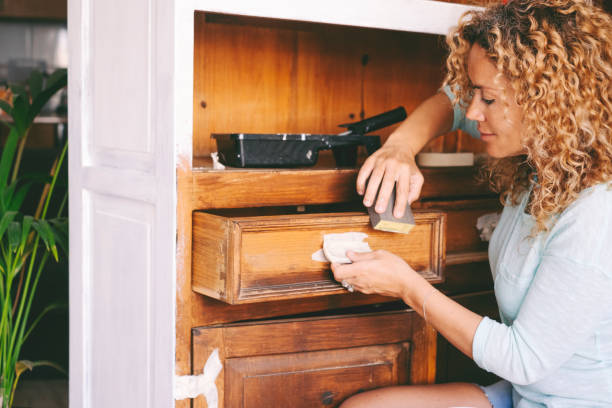
Removing handles, knobs, and other hardware can make the painting process easier. Cabinet doors and drawers may also be removed when appropriate to allow better access to all surfaces.
Floors, countertops, appliances, and nearby areas should be protected from paint and dust.
Clean the Cabinets Thoroughly
Kitchen cabinets can accumulate grease and residue, especially near cooking areas. Paint applied over contaminants may not adhere properly.
Clean the surface thoroughly using an appropriate cleaning method before sanding or priming. The surface should be allowed to dry completely.
Repair Damage
Inspect cabinets for:
- Chips
- Cracks
- Dents
- Loose sections
- Damaged edges
- Open seams
Repairs should be completed before painting. Any filler or repair material should be prepared according to its instructions.
Sand or Prepare the Surface
The purpose of sanding or surface preparation is generally to create an appropriate surface for adhesion and smooth out imperfections. The amount of sanding required depends on the cabinet material and existing coating.
It is not always necessary to remove every existing layer completely. However, loose or failing paint should be addressed, and glossy surfaces may need preparation based on the coating system being used.
Apply the Appropriate Primer
Primer selection depends on the cabinet material and existing surface. A bonding primer may be appropriate for certain difficult or nonporous surfaces.
Priming can help with adhesion and create a more uniform surface for the topcoat. It may also help address color changes or certain stains, depending on the primer.
For homeowners uncertain about preparation requirements, consulting experienced painters such as Bolden’s Painting Co can help clarify which process is appropriate for the existing cabinets.
Apply Paint in Controlled, Even Coats
Thin, even coats are generally preferable to excessively heavy coats. Allowing the recommended drying time between coats is important.
Application methods can include brushes, rollers, or spraying, depending on the product, project conditions, and desired finish. Each method requires appropriate techniques to reduce visible marks or uneven coverage.
The paint should also be given adequate curing time. Dry paint is not always fully cured paint, and newly painted cabinets may need time to reach their intended durability.
Common Mistakes to Avoid When Painting Kitchen Cabinets
Several problems can affect the final result of a cabinet painting project.
Skipping the Cleaning Process
Kitchen grease can interfere with adhesion. Cabinets should be thoroughly cleaned before applying primer or paint.
Choosing Paint Based Only on Color
A color may look suitable, but the coating itself must also be appropriate for high-touch cabinetry.
When selecting the best paint for kitchen cabinets, consider performance as well as appearance.
Ignoring Surface Preparation
Painting over peeling, damaged, glossy, or contaminated surfaces without appropriate preparation can increase the risk of finish problems.
Applying Coats Too Heavily
Heavy applications can contribute to drips, uneven coverage, or longer drying times. Controlled coats and proper drying periods can help improve the final appearance.
Not Allowing Enough Curing Time
Cabinets may feel dry before the coating has fully cured. Heavy use immediately after painting may affect the new finish.
Following the manufacturer’s curing recommendations is important.
Using Incompatible Products
Not all primers and paints are compatible with every existing coating. Reviewing product instructions before beginning can help prevent unnecessary problems.
How to Maintain Painted Kitchen Cabinets
Proper maintenance can help preserve painted cabinets after the project is complete.
Use gentle cleaning practices appropriate for the coating. Avoid harsh abrasive tools that could scratch the surface.
For everyday care:
- Wipe spills when practical
- Remove grease buildup regularly
- Use gentle cleaning materials
- Avoid excessive moisture around seams
- Do not scrub aggressively with abrasive pads
- Follow any paint manufacturer’s maintenance guidance
Cabinets should also be inspected periodically for chips or areas receiving unusual wear. Addressing minor damage early may help prevent additional deterioration.
Maintenance requirements can vary based on the paint product, finish, kitchen conditions, and frequency of use.
When Should You Consider Professional Cabinet Painting?
Painting kitchen cabinets can involve more than applying a new color. The condition of the existing surface, material type, preparation needs, primer selection, application method, and curing process all affect the outcome.
Professional assistance may be useful when:
- Cabinets have extensive existing damage
- The surface material is difficult to identify
- Laminate or other smooth surfaces require specialized preparation
- A consistent sprayed appearance is desired
- Multiple repairs are needed
- There is significant grease or coating failure
- The project involves a large kitchen
A professional assessment can help determine whether the cabinets are suitable for painting and what preparation process may be required.
For homeowners seeking local painting support, Bolden’s Painting Co can provide information about available painting services and help evaluate relevant project considerations. Local conditions, property types, and existing cabinet materials can all influence the appropriate approach.
Choosing Cabinet Colors Along With the Right Paint
Although this guide focuses on the best paint for cabinets, color selection remains an important part of the planning process.
Light colors may make a kitchen feel brighter, while darker colors can create more visual contrast. Neutral shades can work with a wide range of countertops and backsplashes.
Before selecting a final color, consider:
- Natural lighting
- Artificial lighting
- Countertop color
- Backsplash materials
- Wall colors
- Floor color
- Cabinet style
Paint samples should be viewed in the kitchen at different times of day. Lighting can change how colors appear, especially in kitchens with limited natural light.
The same approach is useful for selecting cabinet paint finishes. A finish that looks suitable in a store or online may appear different when applied in the actual kitchen.
Why Local Conditions and Professional Assessment Matter
AEO and GEO-focused content should answer practical questions based on the specific needs of homeowners in a service area. Kitchen cabinet projects can vary based on property age, cabinet materials, indoor conditions, and previous renovations.
For example, older homes may have cabinets with multiple previous coatings, while newer homes may use MDF, engineered wood, or factory-finished surfaces. These differences affect the preparation and coating approach.
Homeowners searching online for the best paint for cabinets should therefore look beyond a simple list of products. The best choice should be based on the actual cabinet surface and project requirements.
A local painting professional may be able to inspect the existing cabinets and identify issues that are not obvious from photographs or general product descriptions. Bolden’s Painting Co can be a useful local point of contact for homeowners who need guidance on painting-related projects and want to understand the condition and requirements of their cabinet surfaces.
Conclusion
Finding the best paint for cabinets involves more than choosing a color or selecting the shiniest finish. Cabinet material, existing coatings, cleaning and preparation, primer compatibility, paint type, cabinet paint finishes, and curing time can all affect the durability and appearance of the completed project.
For many kitchen projects, cabinet-specific acrylic, hybrid, or other durable trim and cabinet coatings may be worth considering. Satin, semi-gloss, and gloss finishes each offer different visual and practical characteristics, so the final choice should reflect the kitchen’s lighting, design, condition, and daily use.
Careful preparation remains essential regardless of which product is selected. Cleaning, repairing damage, preparing the surface, using compatible products, and allowing sufficient drying and curing time can help support a more consistent result.
If you need further guidance about a kitchen cabinet painting project or want to discuss suitable painting services for your property and local area, contact us at Bolden’s Painting Co .
Frequently Asked Questions
What is the best paint for cabinets?
The best paint for cabinets is generally a durable coating formulated for high-touch surfaces such as cabinets, doors, and trim. The right option depends on the cabinet material, existing finish, preparation requirements, and desired appearance.
What is the best paint for kitchen cabinets?
The best paint for kitchen cabinets is typically one designed to provide strong adhesion and durability for frequently used surfaces. Water-based cabinet paints, acrylic products, and certain alkyd or hybrid coatings may be suitable depending on the project.
Should I use satin or semi-gloss for kitchen cabinets?
Both can work. Satin provides a softer, less reflective appearance, while semi-gloss generally has more sheen and is often selected for surfaces that require regular cleaning. The right choice depends on appearance preferences and the specific paint product.
Do kitchen cabinets need to be sanded before painting?
Many cabinets require some form of surface preparation before painting. The amount of sanding depends on the cabinet material and existing finish. Glossy, damaged, or failing surfaces may require additional preparation.
Do I need primer before painting cabinets?
Primer is often useful and may be necessary depending on the cabinet material and existing coating. A suitable primer can improve adhesion and create a more uniform surface for the topcoat.
Can I paint laminate kitchen cabinets?
Laminate cabinets can sometimes be painted, but careful cleaning and proper surface preparation are important. A suitable bonding primer and compatible paint system may be required for adequate adhesion.
How many coats of paint do kitchen cabinets need?
The number of coats depends on the paint product, color change, coverage, and condition of the surface. Follow the manufacturer’s instructions regarding coverage, recoating, and drying times.
How long should painted cabinets cure?
Curing time varies by product and environmental conditions. Cabinets may feel dry before the coating has reached its full hardness. Always review the manufacturer’s recommended curing period before returning cabinets to heavy use.
Can regular wall paint be used on cabinets?
Regular wall paint may not be designed to withstand the repeated contact and cleaning associated with kitchen cabinets. A paint formulated for cabinets, doors, trim, or other high-touch surfaces may be a more appropriate choice.