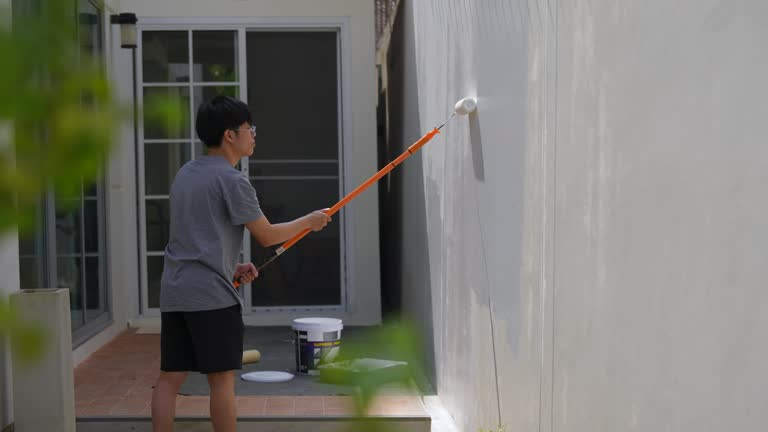
Choosing the right exterior paint color can change how a home looks from the street and how well its architectural details stand out. Modern homes often benefit from clean color palettes, simple contrasts, and shades that complement materials such as brick, stone, wood, concrete, and metal.
The best exterior paint colors depend on more than current design trends. Homeowners should consider the home’s architecture, surrounding landscape, roof color, natural light, and other permanent exterior features before selecting a paint color.
For homes in Wichita, Kansas, local weather conditions and the appearance of nearby homes can also influence the choice. A color that looks balanced in a shaded neighborhood may appear significantly different under strong sunlight.
This guide explores 10 exterior colors that work well with modern home designs and explains how to choose a practical color combination.
How to Choose Exterior Paint Colors for a Modern Home
Before choosing from a paint color chart, evaluate the existing exterior. Paint should coordinate with elements that are not being replaced, including roofing, masonry, doors, windows, and stonework.
Consider the Home’s Architecture
Modern homes generally feature simple lines, large windows, flat or low-pitched rooflines, and a combination of different materials. Neutral and understated colors can emphasize these characteristics without making the exterior look visually crowded.
For example, a charcoal exterior can create a strong contemporary appearance, while warm white can make a modern home appear brighter and more open.
Think About Natural Light
Exterior colors can change depending on the amount and direction of sunlight.
A color may appear lighter in direct sunlight and darker on shaded walls. Before painting the entire exterior, test selected shades on several sides of the home.
This is particularly useful when comparing similar colors such as:
- Light gray and greige
- Beige and taupe
- White and warm white
- Navy and charcoal
Coordinate With Fixed Exterior Features
The roof, driveway, brick, stone, and window frames should influence the paint selection.
For example, a home with a warm brown roof may work better with beige, taupe, cream, or warm white than with a cool blue-gray.
Similarly, homes with black or dark gray roofing can accommodate a broader range of modern exterior colors.
Consider the Local Climate
Climate can influence how exterior paint looks and performs over time. Strong sunlight, seasonal temperature changes, moisture, and weather exposure can all affect an exterior coating.
For Wichita homeowners, choosing an exterior paint system appropriate for local conditions is an important part of the project.
Top 10 Exterior Paint Colors for Modern Homes
There is no single best exterior color for every modern home. The following shades offer different design effects and can be adapted to various architectural styles.
1. Warm White
Warm white is a versatile option for modern homes because it provides a clean appearance without looking as stark as a bright, cool white.
It works particularly well with natural wood, black window frames, stone, and dark roofing.
Warm white can also make architectural details more noticeable while keeping the overall exterior simple.
Best for: Minimalist homes, contemporary designs, and homes with natural materials.
2. Soft Gray
Soft gray is one of the most adaptable modern exterior colors. It provides more visual depth than white while remaining relatively neutral.
A soft gray exterior can be paired with white trim for a subtle contrast or darker trim for a stronger contemporary appearance.
It is also useful when the homeowner wants a neutral exterior without choosing beige or cream.
Best for: Contemporary homes, transitional architecture, and properties with white or dark trim.
3. Charcoal Gray
Charcoal gray creates a dramatic appearance while remaining more versatile than pure black.
It can highlight clean architectural lines and create contrast with lighter trim, wood accents, or masonry.
Because dark colors can absorb more heat and may show fading differently than lighter shades, product selection and surface preparation are important considerations.
Best for: Modern architecture, homes with large windows, and properties with light-colored stone.
4. Greige
Greige combines characteristics of gray and beige. It is useful for homeowners who want a neutral shade that feels warmer than traditional gray.
Depending on the lighting and surrounding materials, greige can lean slightly gray or beige.
This makes it particularly useful for homes that already have warm-colored brick, stone, or wood features.
Best for: Transitional homes and modern designs with mixed materials.
5. Taupe
Taupe is a muted neutral that can provide warmth without appearing overly traditional.
It works well with natural landscaping and materials such as stone, wood, and brick.
For a modern appearance, taupe can be combined with crisp white trim or dark gray accents.
Best for: Homes with natural materials and warm architectural elements.
6. Sage Green
Sage green is a muted, nature-inspired color that works well when homeowners want something beyond traditional neutrals.
Its subdued appearance can complement landscaping without competing with it.
Sage green can be paired with off-white, cream, dark brown, or charcoal accents depending on the architectural style.
Best for: Homes surrounded by greenery, wood accents, and natural landscaping.
7. Deep Green
Deep green offers a stronger connection to natural surroundings while creating a more dramatic exterior.
Unlike brighter greens, deeper shades can maintain a sophisticated appearance when combined with simple trim and limited accent colors.
A deep green exterior can work particularly well with natural wood doors and neutral stone.
Best for: Contemporary homes, wooded properties, and homes with natural materials.
Navy blue is a classic dark color that can give a modern exterior a distinctive appearance.
It works especially well when paired with white, cream, light gray, or natural wood accents.
Navy can also be used selectively on siding while keeping trim and architectural details lighter.
Best for: Coastal-inspired modern homes, contemporary designs, and homes with white trim.
9. Black
Black creates one of the strongest exterior color statements. It can emphasize simple geometric forms and create a high-contrast appearance.
Rather than using black on every surface, homeowners can also use it as an accent for doors, trim, shutters, or selected architectural sections.
For a full exterior application, choosing an appropriate paint product and preparing the surface correctly are especially important.
Best for: Modern and minimalist architecture with strong geometric lines.
10. Earthy Beige
Earthy beige provides a warm, understated exterior that works well with landscaping and natural materials.
Unlike some very light colors, earthy beige can provide enough contrast to make white trim or darker accents visible.
It is a practical choice for homeowners who want a modern appearance without using very dark colors.
Best for: Contemporary homes with brick, stone, wood, or warm-toned roofing.
Exterior Paint Color Comparison
| Exterior Color | Overall Look | Best With | Contrast Level |
|---|---|---|---|
| Warm White | Clean and bright | Wood, stone, black | Low to medium |
| Soft Gray | Neutral and contemporary | White, black, wood | Medium |
| Charcoal Gray | Dramatic and modern | Stone, white trim | High |
| Greige | Warm and balanced | Brick, wood, stone | Medium |
| Taupe | Earthy and understated | Natural materials | Low to medium |
| Sage Green | Natural and relaxed | Landscaping, wood | Medium |
| Deep Green | Rich and sophisticated | Stone, wood | High |
| Navy Blue | Classic and modern | White, wood | High |
| Black | Bold and minimalist | Light trim, wood | Very high |
| Earthy Beige | Warm and versatile | Brick, stone | Low to medium |
How to Combine Exterior Paint Colors
A successful exterior usually does not require several competing colors. A simple three-part approach can help maintain visual balance:
- Main color: Covers most of the siding or exterior wall area.
- Trim color: Defines windows, doors, fascia, and other architectural details.
- Accent color: Adds contrast to selected features such as the front door or shutters.
For example, a modern home could use soft gray as the main color, warm white for trim, and charcoal for the front door.
Another combination could use warm white as the main color, natural wood accents, and black for window frames and the front door.
The goal is to create contrast without making every architectural element a separate color.
Choosing Trim and Accent Colors
Trim can either blend with the primary exterior or provide contrast.
White trim remains a common choice because it creates a clean transition around windows and doors. Dark trim can produce a more contemporary appearance, particularly when the main exterior is light.
For accent areas, homeowners can consider:
- Black
- Charcoal
- Deep navy
- Dark green
- Natural wood tones
- Muted brown
The best option depends on the home’s existing materials and the visual effect you want to achieve.
Common Exterior Paint Color Mistakes to Avoid
Choosing a Color Without Testing It
Paint samples can look different depending on sunlight, shade, and surrounding materials. Testing the color directly on the exterior can provide a more realistic idea of the final appearance.
Ignoring the Roof Color
The roof usually occupies a large visual area. A new exterior color should complement rather than clash with it.
Using Too Many Colors
Several colors may make a home’s exterior appear visually fragmented. Two or three coordinated shades are often enough.
Selecting a Trend Without Considering the Home
A popular color may not suit every architectural style. Consider the home’s proportions, materials, neighborhood, and landscaping before following a trend.
Overlooking Surface Preparation
Even the right color can produce poor results if the surface is dirty, damaged, peeling, or improperly primed.
Preparation may include cleaning, scraping loose paint, repairing damaged areas, caulking gaps, and priming where appropriate.
Exterior Paint Colors for Wichita, KS Homes
Wichita homes experience a range of seasonal weather conditions, so exterior paint selection should account for both appearance and durability.
Local architecture also varies. Some homes feature traditional siding and brick, while others have contemporary combinations of stone, wood, metal, and large windows.
When selecting modern exterior house colors in Wichita, homeowners can consider how the shade looks under strong sunlight, how it coordinates with existing masonry, and how it fits the surrounding landscape.
For homeowners planning an exterior painting project, Bolden’s Painting Co can be considered when evaluating local painting services and project requirements. The final color selection should still be based on the home’s architecture, existing materials, and the homeowner’s preferred appearance.
A useful approach is to narrow the choices to three or four shades and test samples before making a final decision.
Conclusion
The right exterior color can help a modern home look cohesive, balanced, and visually appealing. Warm white, gray, charcoal, greige, taupe, green, navy, black, and earthy beige all offer different ways to create a contemporary exterior.
Rather than selecting a color based only on a trend, consider the home’s architecture, roof, natural light, landscaping, and existing materials. Testing paint samples before committing can also help prevent unexpected results.
For homeowners planning an exterior painting project in Wichita, evaluating the condition of the existing surface is just as important as selecting the color. Bolden’s Painting Co can be one option to consider when researching local painting services. If you need help assessing your home’s exterior painting requirements, contact us to discuss the project, surface preparation, and available options.
Frequently Asked Questions
What are the most popular exterior paint colors for modern homes?
Popular options include warm white, soft gray, charcoal, greige, sage green, navy blue, and black. The most suitable option depends on the home’s architecture, roof, materials, and surroundings.
What is the best exterior paint color for a modern house?
There is no single best color for every modern house. Neutral shades such as soft gray, warm white, greige, and charcoal are versatile choices, while navy, green, and black can create stronger visual contrast.
Are dark exterior paint colors a good choice?
Dark exterior colors can create a modern and dramatic appearance. However, homeowners should consider sunlight exposure, the existing materials, and the suitability of the paint product for exterior use.
How many exterior paint colors should a house have?
Many homes can achieve a balanced appearance with a primary color, a trim color, and one accent color. Using fewer coordinated colors can help maintain a clean modern appearance.
Should the front door match the exterior paint?
The front door does not necessarily need to match the main exterior. A contrasting color can make the entrance more noticeable and create a focal point.
How can I test exterior paint colors?
Apply sample colors to several areas of the exterior and observe them at different times of day. This helps account for changes in natural light and surrounding colors.
What exterior colors work well with brick?
Warm white, greige, taupe, beige, sage green, and charcoal can work well with many brick exteriors. The exact choice should depend on the brick’s undertones.
Are exterior paint colors different from interior colors?
Yes. Exterior paint must withstand weather exposure, temperature changes, moisture, and sunlight. Exterior coatings are formulated for outdoor conditions and should be selected based on the surface and environment.
How often should a home’s exterior be repainted?
The timing varies based on the paint product, surface material, weather exposure, preparation, and previous coating. Inspecting the exterior regularly can help identify fading, peeling, cracking, or other signs that maintenance may be needed.
Can professional painters help with exterior color selection?
Yes. A professional painting company can discuss surface conditions, existing exterior materials, preparation requirements, and suitable paint options. Bolden’s Painting Co can be contacted to discuss the requirements of an exterior painting project in the Wichita area.