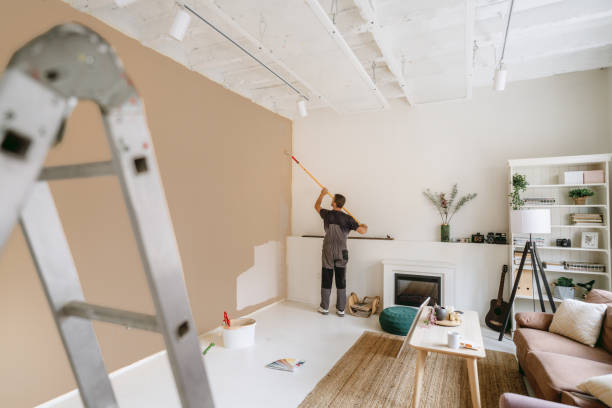
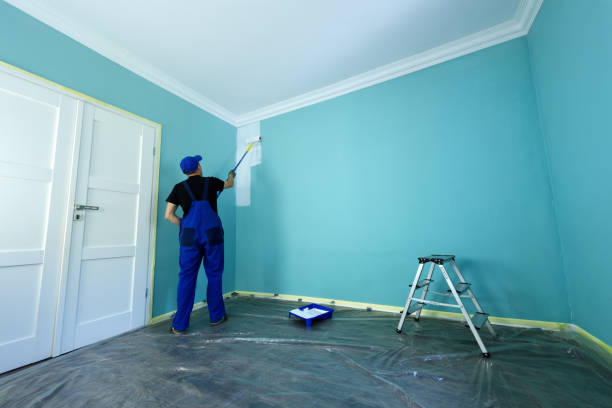
Commercial interiors experience a different level of use than most residential spaces. Employees, customers, tenants, deliveries, equipment, and daily operations can all contribute to scuffs, stains, fading, and general wear. Over time, even a well-maintained commercial property can begin to look dated or worn.
Commercial interior painting is one way businesses can maintain walls, ceilings, offices, common areas, and other interior surfaces. However, a commercial painting project involves more than selecting a color and applying paint. The property’s purpose, traffic level, surface condition, scheduling requirements, and desired durability all need to be considered.
For businesses researching painting contractors Wichita KS, understanding the commercial interior painting process can make it easier to plan a project and compare services. From preparation and paint selection to scheduling and maintenance, several factors can influence the outcome.
Why Commercial Interior Painting Matters
Interior paint contributes to the appearance and condition of a commercial property. While paint is often considered a cosmetic improvement, the right products and preparation can also help maintain interior surfaces.
A clean, consistent paint finish can make an older space feel more maintained without requiring major structural changes. It can also help create visual separation between different areas of a property.
For example, an office may use neutral colors in work areas while incorporating different shades in meeting rooms or reception spaces. A retail store may use colors that complement displays and merchandise. A medical or professional facility may prioritize easy-to-clean finishes and a calm visual environment.
The purpose of the building should therefore guide the painting plan.
Appearance and First Impressions
Customers and visitors often form an impression of a business based on its physical environment. Peeling, heavily scuffed, or mismatched walls can make a space appear poorly maintained.
Fresh interior paint can provide a more consistent appearance throughout areas that customers and employees regularly see.
Workplace Environment
Color and lighting can influence how a room feels. Lighter colors may help smaller rooms appear more open, while carefully selected accent colors can provide visual distinction.
Businesses do not necessarily need bold colors to create an effective environment. In many commercial spaces, neutral shades combined with consistent trim and ceiling colors provide a practical appearance.
Surface Protection
Paint can provide a protective layer over properly prepared drywall, wood, masonry, and other compatible surfaces. Choosing the appropriate coating for the location can help the finish withstand regular cleaning and everyday use.
Commercial Spaces That May Need Interior Painting
Different commercial properties have different painting requirements. The type of building and how each area is used should be considered before work begins.
Offices and Corporate Buildings
Office interiors commonly include private offices, conference rooms, hallways, break rooms, reception areas, and open workspaces. High-traffic areas such as corridors and entrances may require more durable finishes because they experience frequent contact.
A commercial office painting plan may also need to account for desks, computers, partitions, artwork, and other equipment that must be protected during preparation and application.
Retail Stores and Showrooms
Retail interiors need to accommodate customers while also providing an appropriate background for merchandise and displays.
Paint colors can affect how products appear under different lighting conditions. Durable finishes may also be useful in areas where customers frequently touch walls or where shelving and fixtures may cause occasional marks.
Restaurants and Hospitality Spaces
Restaurants, cafés, hotels, and similar properties have unique interior maintenance requirements. Walls may be exposed to food particles, moisture, cleaning products, and high levels of customer traffic.
The selected coating should be appropriate for the surface and expected cleaning requirements. Preparation is especially important when repainting surfaces that have accumulated grease, stains, or residue.
Warehouses and Industrial Facilities
Not every commercial painting project involves customer-facing areas. Warehouses and industrial buildings may also require interior painting for offices, employee areas, storage spaces, corridors, and other finished surfaces.
Large open areas can present additional challenges because of ceiling height, accessibility, equipment, and ventilation requirements.
Medical and Professional Facilities
Medical offices, dental practices, clinics, and professional facilities often require a clean and orderly interior appearance. Paint selection may need to account for frequent cleaning and the specific requirements of different rooms.
What Is Included in Commercial Interior Painting?
The exact scope varies from one property to another, but a properly planned project generally includes several stages.
Initial Assessment
The first step is understanding the property and the areas that need painting. This can include measuring surfaces, identifying existing coatings, examining wall conditions, and determining whether repairs are necessary.
The assessment should also consider access, furniture, equipment, operating hours, and other factors that could affect scheduling.
Surface Preparation
Preparation is one of the most important parts of a commercial painting project.
Depending on the condition of the surfaces, preparation may include:
- Cleaning walls and other surfaces
- Removing loose or peeling paint
- Filling holes and cracks
- Sanding rough areas
- Repairing minor surface imperfections
- Caulking applicable gaps
- Protecting floors and furnishings
- Masking areas that should not receive paint
Painting over damaged or contaminated surfaces without appropriate preparation can result in poor adhesion and an uneven finish.
Priming and Repairs
Primer may be appropriate when the existing surface is porous, stained, repaired, significantly different in color, or otherwise requires additional preparation.
Not every surface requires the same primer or coating. The existing material, previous paint, and new product specifications should be considered.
Paint Application
Once the surfaces are prepared, paint can be applied according to the project specifications. The number of coats depends on factors such as the existing color, new color, paint product, surface condition, and desired coverage.
Application methods may include brushes, rollers, or spray equipment depending on the surface and circumstances.
Cleanup and Final Inspection
After painting is completed, the work area should be cleaned and inspected. Any masking materials and protective coverings can be removed, and the finished surfaces can be checked for missed areas, uneven coverage, or other issues.
Choosing the Right Paint for a Commercial Property
Paint selection should be based on how the space is used rather than simply choosing a color.
Consider Durability
High-traffic areas may benefit from coatings that can withstand regular cleaning and contact. Hallways, entrances, break rooms, and other frequently used spaces can experience considerably more wear than low-traffic rooms.
Consider VOC Levels
Low-VOC or zero-VOC products may be considered when indoor air quality and odor are important project considerations. Product specifications should always be reviewed to determine whether a particular coating is appropriate for the intended application.
Select the Appropriate Finish
Paint finishes vary in appearance and practical characteristics.
| Finish | Typical Characteristics | Common Commercial Uses |
|---|---|---|
| Flat | Low sheen, helps hide minor imperfections | Low-traffic walls and ceilings |
| Eggshell | Subtle sheen and easier cleaning than flat | Offices and general wall areas |
| Satin | More noticeable sheen and good cleanability | Hallways, common areas, busy rooms |
| Semi-gloss | Higher sheen and easier to clean | Trim, doors, selected high-use areas |
| Gloss | Very reflective and durable | Specific trim or specialty applications |
The best finish depends on the room, surface, cleaning requirements, lighting, and desired appearance.
The Commercial Interior Painting Process in Wichita
A structured process can help businesses manage commercial painting while maintaining normal operations.
1. Consultation and Assessment
The property is evaluated to determine the scope of work. This includes identifying surfaces, areas requiring repairs, access requirements, and potential scheduling restrictions.
2. Color and Product Selection
Colors and coatings should be selected according to the property’s function. Businesses may also need to consider existing finishes, furniture, signage, branding, and natural or artificial lighting.
3. Scheduling
Commercial painting requires coordination. Businesses may need work completed outside normal operating hours or in phases to keep important areas accessible.
4. Preparation
Furniture, equipment, flooring, and other areas are protected before painting begins. Surfaces are cleaned and repaired as needed.
5. Painting
The selected coating is applied according to the manufacturer’s requirements and the project’s specifications.
6. Inspection and Cleanup
The completed areas are inspected and cleaned before being returned to normal use.
How Long Does Commercial Interior Painting Take?
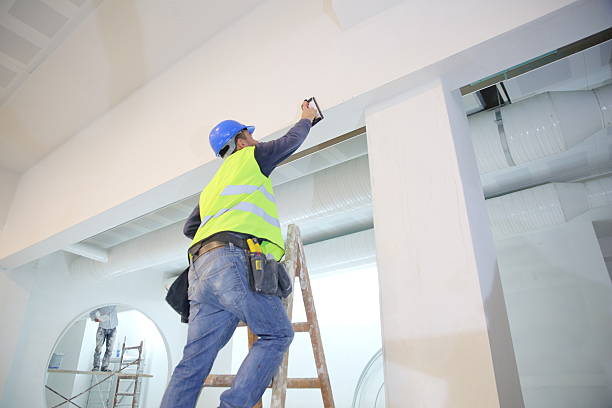
There is no universal timeline for commercial painting. A small office may require considerably less time than a large facility with multiple rooms, ceilings, extensive preparation, or difficult access.
The following table provides general planning considerations rather than fixed project durations:
| Project Type | Main Factors Affecting Timeline | Potential Considerations |
|---|---|---|
| Small office | Room size, furniture, surface condition | May be completed in phases |
| Retail space | Displays, operating hours, wall condition | May require after-hours work |
| Large office | Number of rooms and common areas | Scheduling can be divided by area |
| Restaurant | Cleaning, grease, operating schedule | Surface preparation may take additional time |
| Warehouse | Ceiling height, equipment, access | Specialized equipment may be required |
| Multi-floor facility | Number of surfaces and occupants | Phased scheduling may reduce disruption |
Drying and curing times also vary according to the paint product, temperature, humidity, ventilation, and application conditions. A project schedule should therefore account for product-specific requirements rather than assuming every coat will dry at the same rate.
Factors That Affect Commercial Painting Costs
Commercial painting costs vary considerably between properties. A quote should reflect the actual conditions and scope of the project.
Square Footage
Larger buildings generally require more labor and materials. However, the amount of paintable surface is more relevant than floor area alone.
Surface Condition
Walls requiring extensive cleaning, repairs, sanding, or priming can increase preparation time.
Number of Coats
A color change from a light shade to another light shade may require a different approach than covering a dark or highly saturated color.
Ceilings and Trim
Including ceilings, doors, frames, baseboards, and other details expands the project’s scope.
Paint Type
Different commercial coatings have different material costs and performance characteristics.
Accessibility
High ceilings, restricted areas, equipment, furniture, and other obstacles can affect labor and equipment requirements.
Scheduling Requirements
Projects that must be completed outside normal business hours or in tightly controlled phases may require additional coordination.
For businesses comparing painting contractors Wichita KS, it is useful to request a written scope that clearly identifies preparation, repairs, number of coats, materials, included surfaces, and cleanup.
How to Minimize Business Disruption During Painting
Commercial properties often cannot simply close for several days while painting takes place. Careful scheduling can help reduce interruptions.
Work During Off-Hours
Evenings, weekends, or other low-traffic periods may be suitable for certain projects. The appropriate schedule depends on the property and the painting requirements.
Divide the Project Into Phases
Instead of painting an entire building at once, businesses can sometimes divide work into sections. One area can be completed before another is taken out of service.
Protect Equipment and Furniture
Computers, machinery, merchandise, furniture, and other items should be moved or adequately protected where necessary.
Coordinate With Employees
Employees should know which areas will be unavailable and when. Clear communication can reduce confusion during the project.
Consider Ventilation
Paint products have different drying characteristics and odor levels. Appropriate ventilation and product-specific safety requirements should be considered before work begins.
How to Choose Painting Contractors in Wichita, KS
Businesses searching for commercial painters should evaluate more than price.
Look for Relevant Commercial Experience
Commercial projects can involve larger spaces, tighter schedules, occupied buildings, specialized surfaces, and more complex logistics than many residential projects.
Review the Scope of Work
A written scope should explain what will be prepared and painted. It should also clarify whether repairs, primer, multiple coats, trim, ceilings, and cleanup are included.
Ask About Preparation
The quality of the finished result depends heavily on surface preparation. Ask how damaged, stained, dirty, or previously painted surfaces will be handled.
Check Insurance and Other Requirements
Businesses should verify that contractors meet applicable insurance, licensing, and contractual requirements for the project and property.
Compare Estimates Carefully
The lowest estimate may not represent the lowest overall project cost if important preparation or surfaces are excluded. Comparing estimates based on the same scope makes the differences easier to understand.
Consider Communication and Scheduling
Commercial painting can affect employees, customers, tenants, and daily operations. Clear scheduling and communication are therefore important parts of project planning.
For businesses researching local options, Bolden’s Painting Co can be included among the companies to evaluate when developing a commercial interior painting plan in the Wichita area.
Maintaining Newly Painted Commercial Interiors
Painting is only one part of long-term interior maintenance. Regular care can help preserve the finished appearance.
Clean High-Traffic Areas
Walls in entrances, corridors, break rooms, and other busy spaces may need more frequent cleaning than low-traffic rooms. Always follow the coating manufacturer’s cleaning recommendations.
Address Damage Promptly
Small chips, scratches, or dents can become more noticeable over time. Addressing minor damage when it occurs can make future touch-ups easier.
Keep Touch-Up Paint
Keeping a record of the paint brand, product, color, sheen, and application area can simplify future maintenance. This is particularly useful for larger commercial properties with multiple colors.
Monitor High-Wear Areas
Businesses should periodically inspect areas around doors, corners, hallways, equipment, and frequently touched surfaces.
Plan for Future Repainting
There is no universal repainting schedule. A commercial property may need repainting when surfaces show significant wear, colors become outdated, cleaning becomes difficult, or the property undergoes a change in use.
Bolden’s Painting Co can be considered when businesses in the Wichita area are researching options for ongoing commercial painting and interior maintenance needs.
Conclusion
Commercial interior painting in Wichita, KS involves more than changing wall colors. Businesses need to consider the property’s purpose, surface condition, traffic levels, paint performance, scheduling requirements, and the potential effect of the work on daily operations.
A well-planned project starts with proper surface assessment and preparation, followed by suitable product and finish selection. Businesses should also compare painting contractors based on the complete scope of work rather than price alone.
Whether the project involves an office, retail space, restaurant, warehouse, professional facility, or another commercial property, understanding the process can make planning easier and help establish realistic expectations.
If you are evaluating commercial interior painting options in Wichita, reviewing the scope, materials, preparation requirements, and project schedule is a practical place to start. You can also contact us through Bolden’s Painting Co to discuss the requirements of your commercial interior painting project.
Frequently Asked Questions About Commercial Interior Painting
How much does commercial interior painting cost in Wichita, KS?
Commercial painting costs depend on the size and condition of the property, preparation requirements, paint products, number of coats, accessibility, and surfaces included. A property-specific estimate is more useful than relying on a general price per square foot.
How long does commercial interior painting take?
The timeline depends on the size of the project, surface preparation, number of coats, drying requirements, access, and operating schedule. Larger commercial properties may be completed in phases to reduce disruption.
Can a business remain open while interior painting is underway?
In many cases, painting can be scheduled in sections or during off-hours so that some business operations can continue. The feasibility depends on the property’s layout, ventilation, paint products, and scope of work.
What paint finish is best for a commercial interior?
There is no single best finish for every commercial space. Eggshell or satin may be suitable for many wall applications, while semi-gloss may be appropriate for certain trim or high-use surfaces. The decision should be based on cleaning requirements, traffic, appearance, and the surface itself.
How often should a commercial building be repainted?
Repainting frequency varies based on traffic, building use, paint quality, surface condition, cleaning practices, and aesthetic preferences. Instead of following a fixed schedule, businesses can inspect interior surfaces regularly and repaint when deterioration becomes noticeable.
How do I find painting contractors in Wichita, KS?
Start by identifying contractors with relevant commercial experience. Compare written scopes, preparation methods, materials, schedules, insurance requirements, and estimates. Local businesses can also review references and previous commercial projects before making a decision.
What should be included in a commercial painting estimate?
A detailed estimate should identify the areas being painted, surface preparation, repairs, primer, number of coats, paint products, trim or ceiling work, protection of surrounding areas, cleanup, and scheduling expectations.