
What Happens If You Skip Paint Preparation?
Most people notice the color of a fresh paint job, but professional painters notice something entirely different first: the preparation underneath it.
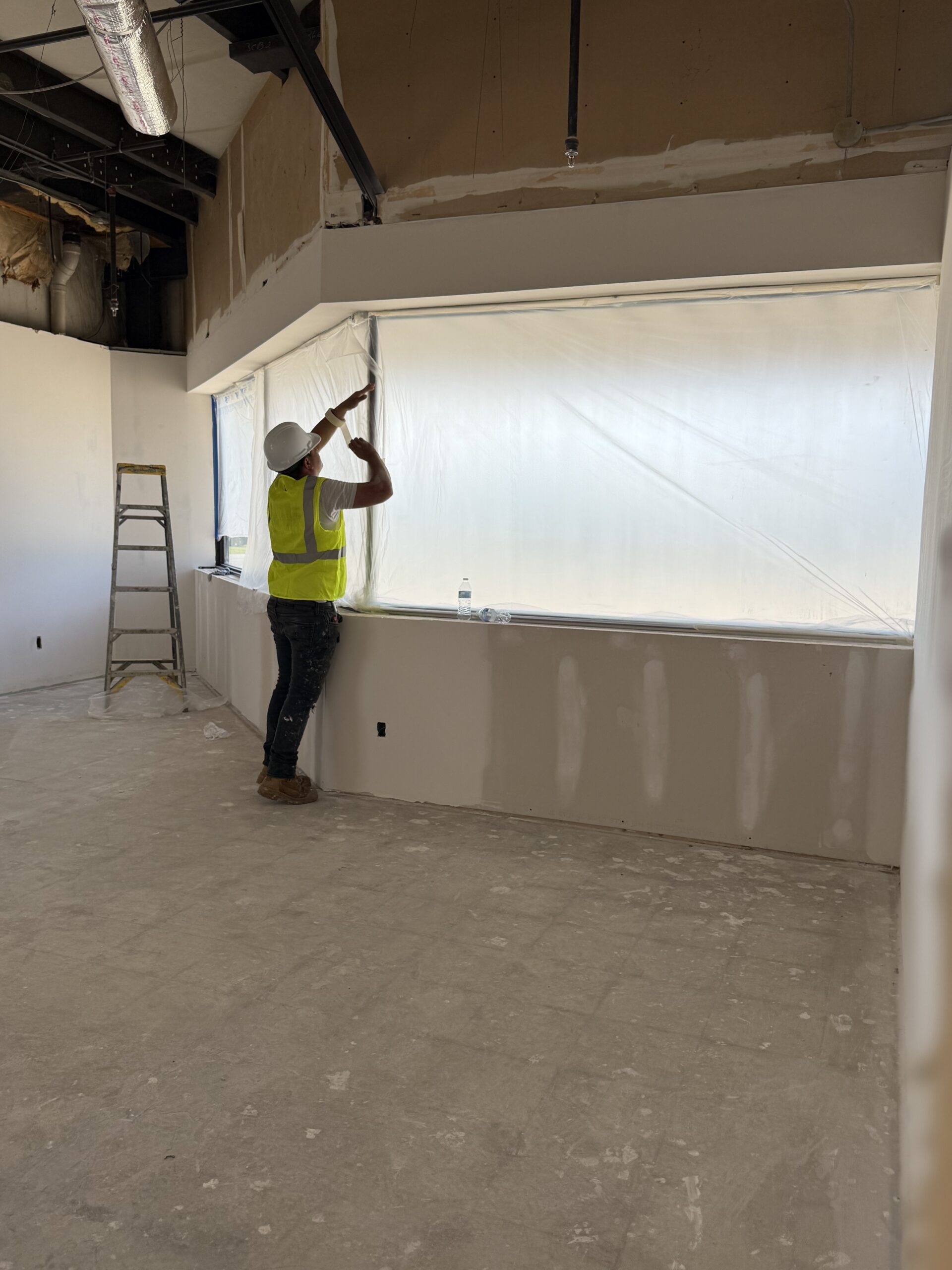
Whether you’re painting a home’s interior, refreshing your exterior siding, or updating a commercial building, paint preparation is the foundation that determines how long the finished product will last. Even the highest-quality paint cannot perform as intended if it’s applied over dirty, damaged, glossy, or unstable surfaces.
One of the biggest misconceptions homeowners have is believing that painting simply involves opening a can of paint and applying it to the wall. In reality, experienced painters often spend as much time, or more, preparing a surface than they do applying the finish coat. That preparation is what separates a paint job that lasts for years from one that begins peeling, cracking, or fading far sooner than expected.
At Bolden’s Painting, we believe preparation is never a step to rush. It’s the difference between a cosmetic improvement and a long-term investment in your home or business.
Why Paint Preparation Is So Important
Paint is designed to bond to a properly prepared surface. If the material underneath is contaminated, loose, wet, chalky, glossy, or deteriorating, the paint cannot create the strong mechanical and chemical bond it’s designed to achieve.
When preparation is skipped, problems often don’t appear immediately. A freshly painted surface may look beautiful for weeks or even months before defects begin to show. By the time homeowners notice peeling or bubbling paint, the root cause usually traces back to inadequate preparation rather than the paint itself.
That’s why experienced painting contractors inspect the surface before discussing colors or finishes. Understanding the condition of the substrate is essential for creating a finish that performs well in Kansas weather.
The True Cost of Skipping Preparation
Some contractors attempt to lower project costs by minimizing preparation. While this may reduce labor initially, homeowners often pay much more later.
The Cost Reality: Fixing a failed paint job is drastically more expensive than doing it right the first time. When paint fails prematurely, the entire failing layer must be laboriously scraped and sanded off before a new coat can even be considered.
What Can Happen When Paint Preparation Is Skipped?
Skipping proper preparation can lead to a wide range of issues, including:
- Peeling and Flaking: Paint pulls away from the substrate because it never bonded to the actual surface.
- Bubbling or Blistering: Trapped moisture or gases expand under the paint film, forcing it upward.
- Uneven Sheen: Unprimed or poorly sanded areas absorb paint differently, leaving flat, dull spots next to shiny spots.
- Mold or Mildew Growth: Painting directly over live organic growth traps it, allowing it to rot the material underneath your fresh paint.
The Checklist: Professional Exterior Paint Prep Steps
Exterior painting presents intense challenges because your home is constantly exposed to the elements. To survive the climate, your home needs a rigid, step-by-step preparation routine. Order is absolutely critical here, skipping or swapping steps leads directly to paint failure.
1.Pressure Washing & Cleaning:Step 1: Must fully dry.
Remove dirt, airborne dust, heavy pollen, and chalking caused by weather exposure. Surfaces must be allowed to dry completely before the next step.
2.Scraping & Mechanical Sanding:Step 2: Smooths the surface.
Scrape away all loose, chipping, or peeling paint. Sand down rough edges to “feather” the borders between old paint and bare wood, ensuring a smooth transition.
3.Wood and Siding Repairs:Step 3: Structural integrity.
Inspect for wood rot, loose trim, or damaged siding. Damaged materials must be repaired or replaced entirely rather than simply hidden behind a layer of paint.
4.Caulking & Sealing Joints:Step 4: Weatherproofing.
Remove old, dried-out caulk. Apply premium, flexible exterior caulk to joints, gaps, and window trim to prevent water intrusion and air leaks.
5.Targeted Spot Priming:Step 5: Prior to finish coats.
Apply specialty primers to all bare wood, repaired areas, or tannin-stained spots to create a uniform surface that guarantees the finish coat adheres permanently.
Every Surface Needs a Custom Plan
Professional painters know that no two homes are exactly alike, and different materials require vastly different preparation techniques.
Inside the home, kitchens, bathrooms, and high-touch areas often accumulate grease, soap residue, and everyday household contaminants that require heavy degreasing. Glossy surfaces, trim, and cabinets need deliberate sanding and specialty bonding primers; otherwise, the new paint will slide right off the existing slick finish.
Whether dealing with exterior siding or interior drywall, matching the prep work to the specific material is what ensures a flawless finish.
| Material | Primary Prep Challenge | Essential Solution |
| Bare Wood / Trim | Highly porous, prone to tannin bleeding | Full oil or high-hide acrylic priming |
| Glossy Cabinets | Naturally resists adhesion and repels paint | Intensive sanding and a specialty bonding primer |
| Exterior Stucco | Traps dirt in deep crevices, cracks easily | Deep pressure wash and elastomeric patching |
| Drywall Repairs | Texture mapping and uneven absorption | Precision sanding and mandatory PVA priming |
Why Kansas Homes Need Thorough Preparation
Kansas weather places unique demands on exterior paint systems. Homes throughout Wichita experience high UV exposure, wind-driven dust, heavy pollen, severe thunderstorms, and dramatic seasonal freeze-thaw cycles.
These harsh conditions expose shortcuts incredibly quickly. If preparation was rushed, Kansas weather usually reveals those flaws within the first year.
To ensure the best outcome, environmental factors must line up perfectly during the application window. Our article on the Best Time to Paint a House in Kansas breaks down how local temperature and humidity conditions influence how your paint cures from day one.
Frequently Asked Questions
How much of a painting project is preparation?
Depending on the condition of the surface, preparation can account for 50% or more of the total project time. Proper preparation is the most important factor in achieving a durable, professional finish.
Can you paint over peeling paint?
No. Loose or peeling paint must be completely removed before new paint is applied. Painting over failing coatings simply weights down the loose layer, resulting in rapid, widespread peeling.
Is pressure washing always necessary before exterior painting?
While it is the most efficient method, the goal is total cleanliness. Exterior surfaces must always be clear of chalking, dirt, and mold before applying product, whether that requires power washing or targeted hand-scrubbing.
Do all walls need primer before painting?
Not always. Previously painted walls in excellent condition can often be painted directly. However, new drywall, bare wood, repaired patches, water stains, and drastic color shifts always require a dedicated primer coat.
What happens if you don’t sand before painting?
Skipping sanding reduces paint adhesion, particularly on trim, doors, and glossy surfaces. Over time, the paint will chip or peel away easily, even from minor bumps or scratches.
Trust Bolden’s Painting for Quality That Starts Before the First Coat
At Bolden’s Painting, we believe exceptional results begin long before the paint cans are even opened. Every successful project starts with a meticulous inspection, detailed preparation, and a commitment to doing the job the right way, not the fastest way.
Whether you’re updating your home’s interior, protecting your exterior from harsh Kansas weather, or refreshing a commercial property, our experienced team takes the time to prepare every surface for long-lasting performance and beautiful results.
If you’re planning your next painting project, contact Bolden’s Painting today for a free estimate. We’ll help you protect your investment with professional residential and commercial painting services built on true craftsmanship, attention to detail, and proper paint preparation from start to finish.