A fresh coat of paint can completely change the appearance and feel of a home. Whether homeowners want to update outdated colors, improve indoor aesthetics, or prepare a property for resale, a professional painting process helps ensure consistent and long lasting results. Home interior painting involves much more than applying paint to walls. It requires careful preparation, attention to detail, and proper finishing techniques.
At Bolden’s Painting Co, every project follows a structured process designed to improve efficiency and maintain quality throughout the job. Understanding how a house painting company in Wichita approaches interior projects can help homeowners know what to expect before work begins.
This guide explains each stage of the home interior painting process, from the first consultation to the final walkthrough.
Why a Structured Painting Process Matters
A detailed process helps reduce mistakes, improve durability, and create a cleaner final appearance. Interior painting projects often involve multiple rooms, different wall textures, and varying lighting conditions. Without proper planning, homeowners may experience uneven finishes, paint drips, or premature wear.
Professional painters use step by step methods to ensure consistency. A structured approach also helps with:
- Surface protection
- Accurate color application
- Better paint adhesion
- Efficient project completion
- Reduced disruption inside the home
For homeowners investing in home interior painting, preparation and execution are equally important.
Initial Consultation and Project Planning
Every successful painting project begins with an initial consultation. During this stage, the painting team discusses the homeowner’s expectations, preferred colors, timeline, and specific areas that require attention.
At Bolden’s Painting Co, planning is an important part of the process because it helps avoid delays and unexpected issues during the project.
What Happens During the Consultation?
| Step | Purpose |
|---|---|
| Home assessment | Evaluate wall conditions and room size |
| Color discussion | Select shades and finishes |
| Timeline planning | Schedule project phases |
| Material selection | Determine suitable paint products |
| Cost estimation | Provide accurate project pricing |
Professional painters may also identify areas with cracks, stains, moisture damage, or peeling paint that need repairs before painting begins.
Preparing the Interior Space
Preparation is one of the most important stages in home interior painting. Proper prep work creates a smoother finish and helps paint last longer.
Protecting Furniture and Floors
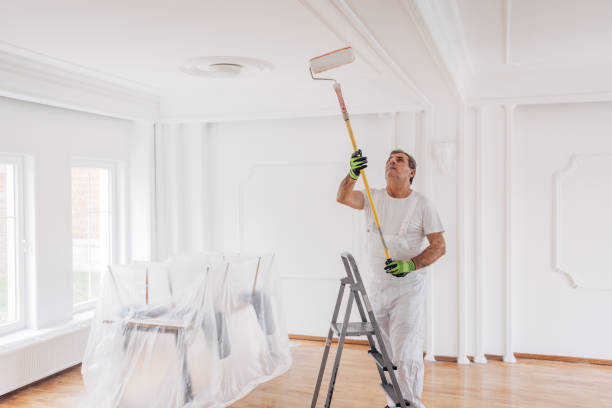
Before painting starts, furniture is moved or covered with protective plastic sheets. Floors are shielded with drop cloths to prevent paint spills and dust buildup.
This step helps keep the workspace clean and minimizes the risk of accidental damage.
Cleaning and Repairing Surfaces
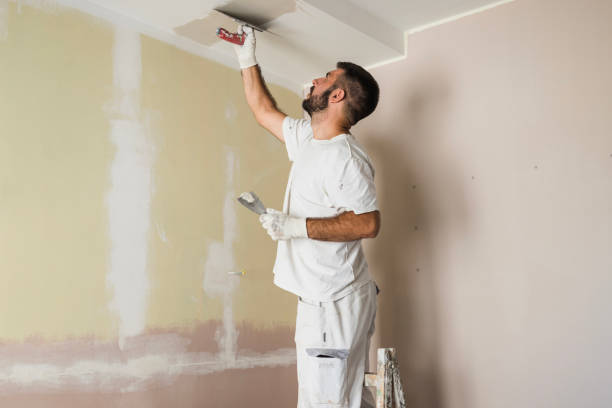
Walls collect dust, grease, and stains over time. These contaminants can affect paint adhesion. Professional painters clean the surfaces thoroughly before applying primer or paint.
Minor wall damage is also repaired during this stage, including:
- Nail holes
- Small cracks
- Surface dents
- Uneven textures
Sanding creates a smoother surface and improves the final appearance of the paint.
Priming Walls Before Painting
Primer helps paint adhere evenly and improves color consistency. It is especially important when:
- Painting over dark colors
- Covering stains
- Painting repaired drywall
- Switching between paint finishes
Skipping primer can lead to uneven coverage and reduced durability.
Choosing the Right Paint and Materials
Paint selection affects appearance, maintenance, and longevity. Different rooms require different paint finishes depending on moisture levels and daily use.
Common Interior Paint Finishes
| Finish Type | Best For | Characteristics |
|---|---|---|
| Flat | Bedrooms and ceilings | Minimal shine |
| Eggshell | Living rooms | Soft and washable |
| Satin | Hallways and kitchens | Durable finish |
| Semi gloss | Bathrooms and trim | Moisture resistant |
| Gloss | Doors and cabinets | High shine and durable |
Professional painters also consider factors such as lighting, ventilation, and room function when recommending products.
At Bolden’s Painting Co, quality materials are selected to improve durability and provide a more even finish throughout the home.
The Home Interior Painting Process
Once preparation is complete, the painting stage begins. Professional painters follow a systematic method to ensure clean lines and consistent coverage.
Cutting In and Detail Work
Cutting in involves painting edges around ceilings, trim, windows, and corners before rollers are used on larger surfaces.
This step requires precision and helps create neat transitions between painted surfaces.
Applying Multiple Coats
Most interior walls require at least two coats of paint for proper coverage. Multiple coats improve color richness and durability.
Professional painters allow adequate drying time between coats to prevent streaking or uneven textures.
Drying and Inspection
After painting is complete, walls are inspected under different lighting conditions to identify any missed spots or inconsistencies.
The team checks for:
- Roller marks
- Drips
- Thin coverage
- Uneven sheen
- Paint splatter
Addressing these issues before project completion helps maintain quality standards.
Final Walkthrough and Cleanup
The final stage of home interior painting includes cleanup and project review. Protective coverings are removed, furniture is repositioned, and leftover debris is cleared from the work area.
A walkthrough allows homeowners to inspect the finished project and discuss any touch ups if necessary.
Professional cleanup typically includes:
- Removing painter’s tape
- Vacuuming dust
- Disposing of materials
- Cleaning surfaces
- Organizing leftover paint for future use
At Bolden’s Painting Co, the final walkthrough ensures homeowners are informed about maintenance and care after the painting process is complete.
Common Challenges in Interior Painting
Interior painting projects can involve unexpected challenges that require professional experience.
Wall Imperfections
Older homes may have uneven drywall, cracks, or patched surfaces that become more visible after painting.
Moisture Problems
Bathrooms, kitchens, and basements may experience humidity related issues that affect paint performance.
Color Consistency
Lighting conditions can change how colors appear throughout the day. Testing paint samples beforehand helps reduce unexpected results.
Experienced interior house painters in Wichita understand how to manage these challenges while maintaining consistent results.
Why Homeowners in Wichita Hire Professionals
Many homeowners attempt DIY painting projects but later realize the process requires significant time and preparation.
Hiring a professional house painting company in Wichita offers several advantages:
- Better surface preparation
- Cleaner paint lines
- Access to professional tools
- Faster completion times
- Consistent paint application
- Reduced cleanup responsibilities
Professional painters also understand how climate and indoor conditions can affect paint drying and durability.
For larger projects, working with experienced painters helps reduce the likelihood of costly mistakes or repainting.
Tips for Maintaining Freshly Painted Interiors
Proper maintenance helps preserve interior paint and extend its lifespan.
Clean Walls Carefully
Use soft cloths or non abrasive cleaning products to remove dust and stains without damaging the finish.
Prevent Surface Damage
Avoid placing sharp furniture edges directly against painted walls. Wall protectors can help reduce scratches and dents.
Control Moisture Levels
Ventilation is important in kitchens and bathrooms to prevent peeling or mildew growth.
Schedule Repainting When Needed
Most interior walls require repainting every five to seven years depending on wear, sunlight exposure, and household activity.
Maintaining painted surfaces can help homeowners avoid extensive repairs later.
How Professional Painting Improves Long Term Value
Interior painting does more than improve appearance. A professionally painted home can also contribute to property value and overall maintenance.
Benefits of professional home interior painting include:
- Improved indoor aesthetics
- Better wall protection
- Easier cleaning and maintenance
- Enhanced resale appeal
- Updated living spaces
A well maintained interior creates a more comfortable environment while protecting surfaces from daily wear.
Homeowners who invest in quality painting services often experience longer lasting finishes and fewer maintenance issues over time.
Conclusion
A successful home interior painting project involves much more than selecting colors and applying paint. Every phase, from preparation to final inspection, contributes to the durability and appearance of the finished space.
Working with an experienced house painting company in Wichita helps homeowners achieve more consistent and long lasting results while reducing stress during the process. Through careful planning, proper preparation, and detailed application methods, professional painters create interiors that remain visually appealing for years.
Bolden’s Painting Co follows a structured process designed to improve quality and efficiency across every project. For homeowners considering home interior painting, understanding these steps can help set clear expectations before work begins. If you would like to learn more about interior painting services, contact us for additional information.
FAQs
How long does home interior painting usually take?
The timeline depends on the number of rooms, wall conditions, and drying times. Most projects take several days to complete.
What type of paint is best for interior walls?
Eggshell and satin finishes are commonly used because they provide durability and are easier to clean.
How often should interior walls be repainted?
Most homes benefit from repainting every five to seven years, although high traffic areas may require more frequent updates.
Do professional painters move furniture before painting?
Yes, most professional painting companies help move or protect furniture before beginning work.
Can homeowners stay in the house during painting?
In many cases, homeowners can remain in the home during the project, although proper ventilation is important while paint dries.