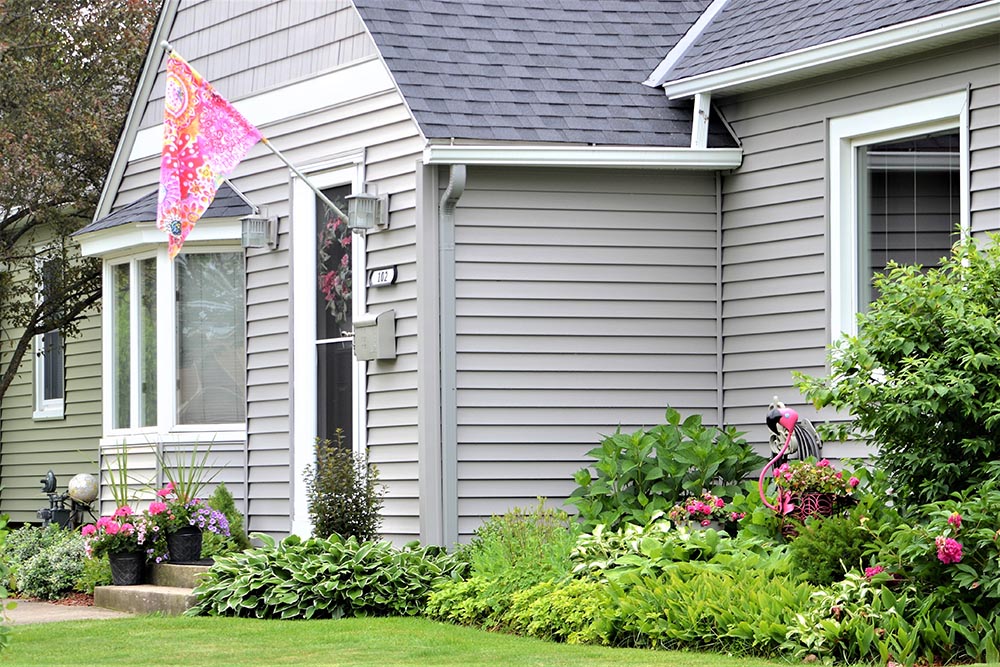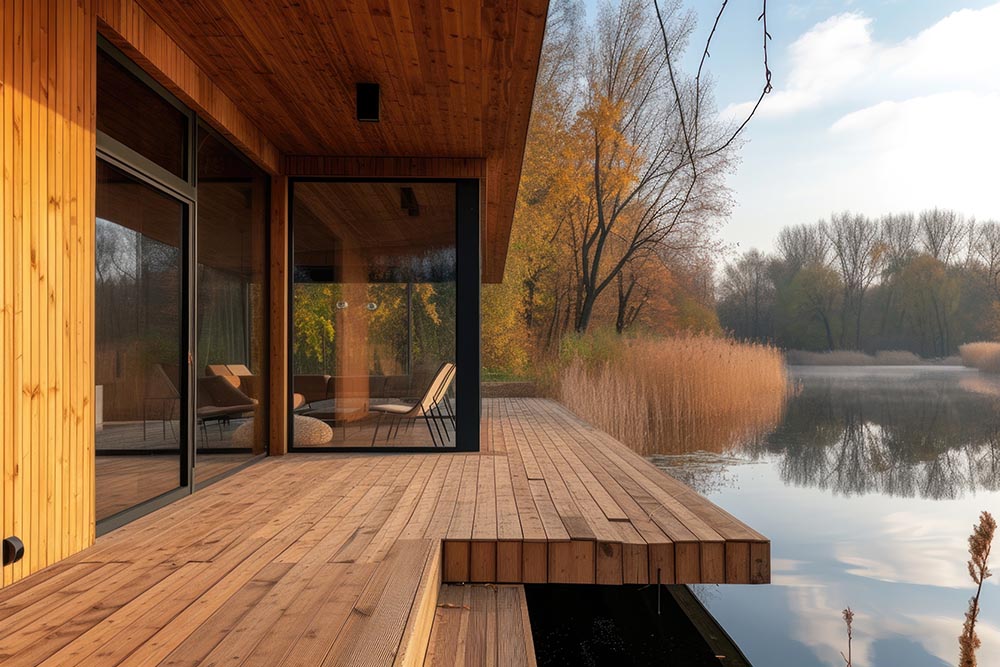
Painting your home is one of the simplest ways to make it look fresh, clean, and well cared for. A new color can brighten a living room, update an older kitchen, or improve your home’s curb appeal. However, getting a finish that looks good and lasts takes more than choosing a paint color.
Homeowners planning interior and exterior painting in Wichita, KS, need to consider surface condition, paint quality, preparation, and local weather. Interior projects also require careful planning to keep rooms usable, while exterior work depends on suitable temperatures and dry conditions.
This guide explains what to know before painting your home, how interior and exterior projects differ, and what to look for when hiring a professional painting company.
Why Home Painting Requires Careful Planning
A good paint job improves more than appearance. Interior paint helps walls and trim stay easier to clean, while exterior coatings help protect suitable surfaces from moisture and weather exposure.
However, paint cannot fix every surface problem. Peeling, cracks, water stains, and damaged siding should be checked before painting begins. Covering these issues without addressing their cause can lead to poor results and early paint failure.
Planning ahead helps you decide which areas need attention, choose suitable products, and set a realistic budget. It also makes it easier to explain your expectations to a painting contractor before work starts.
Interior vs. Exterior Painting: What Is the Difference?
Although both projects involve applying paint, interior and exterior painting have different requirements. The paint, preparation methods, and working conditions must suit the surfaces being coated.
| Feature | Interior Painting | Exterior Painting |
| Main purpose | Refresh rooms and improve appearance | Improve curb appeal and protect exterior surfaces |
| Common surfaces | Walls, ceilings, doors, trim, and cabinets | Siding, stucco, trim, doors, and other exterior surfaces |
| Paint requirements | Washability, smooth coverage, and suitable sheen | Weather resistance, adhesion, and durability |
| Preparation | Cleaning, patching, sanding, and protecting furnishings | Cleaning, scraping loose paint, repairs, and suitable priming |
| Main challenge | Keeping the home clean and limiting disruption | Managing weather and surface conditions |
| Best timing | Flexible, with good ventilation and drying conditions | A suitable period of dry weather and product-approved temperatures |
Choosing the correct approach helps prevent common problems such as uneven coverage, peeling, and premature wear.
What to Know Before Painting Your Home’s Interior
Interior painting can change the feel of a room without requiring a major renovation. Before choosing colors or booking a crew, consider how each room is used and how much wear its walls receive.
1. Choose Colors That Suit Each Room
Think about the room’s size, natural light, flooring, furniture, and existing finishes. Light neutrals can help a small room feel open, while deeper shades can add character to a dining room, bedroom, or accent wall.
Test paint samples on the wall before making a final decision. Check them in the morning, afternoon, and evening because lighting can change how a color looks. A shade that appears warm in daylight may look different under artificial lighting.
You should also consider how rooms connect. Choosing colors that work together creates a more consistent look throughout the house.
2. Select the Right Paint Finish
Paint sheen affects both appearance and cleaning. The best choice depends on the surface and how much use the room receives.
| Paint Finish | Common Uses | Main Benefit |
| Flat or matte | Ceilings and low-traffic areas | Helps reduce the appearance of minor surface flaws |
| Eggshell | Living rooms and bedrooms | Offers a soft finish with some washability |
| Satin | Hallways, family rooms, and busy areas | Easier to clean than flatter finishes |
| Semi-gloss | Doors, trim, and selected cabinets | Durable finish that is easier to wipe clean |
| Gloss | Selected trim and detailed surfaces | Creates a reflective, noticeable finish |
Always check the paint manufacturer’s recommendations. The right finish can vary based on the product, surface, and amount of daily use.
3. Prepare Walls Before Painting
Preparation has a major effect on the final result. Dust, grease, loose paint, and rough patches can prevent paint from sticking properly or make the finish look uneven.
Professional preparation may include:
- Moving or covering furniture and protecting floors.
- Cleaning walls and removing surface dirt.
- Filling small holes and repairing minor cracks.
- Sanding rough areas and smoothing old repairs.
- Priming bare surfaces, stains, or patched areas when needed.
- Protecting trim, fixtures, and other areas that should not be painted.
Water stains, recurring cracks, and peeling paint may point to a deeper issue. These should be investigated before painting rather than simply covered with a new coat.
4. Plan Around Your Household
Interior painting can affect your daily routine, especially when several rooms are involved. Decide which spaces need to remain accessible and whether the work can be completed in stages.
Ask the painters how they will protect furniture, manage dust, ventilate rooms, and handle drying time. Keep children and pets away from active work areas, and follow the paint label’s instructions before using freshly painted rooms.
What to Know Before Painting Your Home’s Exterior
Exterior painting requires a different kind of preparation. Wichita homes experience seasonal temperature changes, sun exposure, wind, rain, and other weather conditions that can affect painted surfaces.
The goal is to select suitable products and prepare the exterior so the new coating can adhere properly.
1. Inspect the Exterior Before Choosing Paint
Walk around your home and look for fading, peeling paint, cracked caulk, damaged trim, and areas where moisture may be getting in. Check siding, stucco, doors, and window trim carefully.
Not every surface needs the same treatment. Wood, vinyl, stucco, and previously painted masonry can have different preparation and product requirements. Some surfaces may also need repairs before they are ready for paint.
A professional assessment can help identify the work required and prevent you from spending money on paint before the underlying problems are addressed.
2. Choose Exterior Paint for Kansas Conditions
Exterior paint must suit the material and withstand outdoor exposure. Look for a product designed for the specific surface, with performance characteristics appropriate for the conditions it will face.
Consider these points when comparing products:
- Durability: Choose paint made for the surface and expected level of exposure.
- Moisture resistance: The coating should suit the material and help limit weather-related wear.
- Color retention: Some products are better suited to maintaining their appearance under sunlight.
- Flexibility: The coating should be appropriate for surfaces that expand and contract with temperature changes.
- Maintenance: Consider how easily the finish can be cleaned and maintained.
Your contractor should explain why a particular paint is suitable for your home’s siding or trim instead of choosing a product based on price alone.
3. Schedule Exterior Work Around the Weather
Exterior paint needs the right conditions to dry and cure correctly. Temperature, humidity, direct sunlight, wind, and rain can all affect application.
A day that feels comfortable outside may still fall outside the paint manufacturer’s recommended range. Painting a hot wall in direct sunlight can also cause the coating to dry too quickly, while damp surfaces can interfere with adhesion.
Ask your contractor how the schedule accounts for the forecast and product instructions. A reliable crew should be willing to adjust the plan when conditions are unsuitable rather than rush the work.
4. Do Not Paint Over Peeling or Damaged Areas
Loose paint should be removed, and the surface should be properly prepared before new paint is applied. Depending on the condition, this may involve scraping, sanding, cleaning, patching, caulking, or priming.
The cause of the damage matters, too. If water is entering through a failed gutter, damaged caulk, or another opening, painting alone will not solve the problem.
Addressing these issues first gives the new finish a better chance of lasting.
How Much Does Residential Painting in Wichita, KS, Cost?
The cost of residential painting in Wichita, KS, depends on the size of the project, the condition of the surfaces, the paint selected, and the amount of preparation required.
A small bedroom repaint will usually involve less labor than painting an entire home. Exterior projects can also vary significantly depending on the home’s height, siding material, accessibility, and repair needs.
| Cost Factor | Why It Matters |
| Size of the project | Larger areas generally require more paint and labor |
| Surface condition | Peeling paint, cracks, and damaged surfaces require extra preparation |
| Paint quality | Different products have different prices and performance characteristics |
| Number of coats | Color changes and surface conditions may require additional coats |
| Access and complexity | High walls, detailed trim, and difficult-to-reach areas can increase labor |
| Repairs and priming | Extra work may be needed before the finish coat can be applied |
Rather than comparing estimates by total price alone, check what each quote includes. Ask whether preparation, primer, paint, repairs, cleanup, and the number of coats are clearly listed.
A detailed estimate makes it easier to compare contractors and understand what you are paying for.
How to Choose Interior and Exterior House Painters in Wichita
Finding the right contractor can make the project easier from the first estimate to the final walkthrough. Look for a company that communicates clearly, explains its process, and takes surface preparation seriously.
Before hiring interior and exterior house painters in Wichita, consider the following:
Check Experience and Relevant Projects
Ask whether the company has worked on homes and surfaces similar to yours. Experience with interior walls does not automatically mean a contractor has the right approach for exterior siding, stucco, or detailed trim.
Request a Written Estimate
A written quote should describe the areas being painted, preparation work, products or product allowances, number of coats, and any exclusions. Make sure you understand how additional repairs will be priced if they become necessary.
Confirm Insurance and Applicable Requirements
Ask for proof of insurance and check any licensing or local requirements that apply to your project. Do not rely on verbal assurances alone.
Ask About Preparation and Cleanup
Find out how the crew will protect your belongings, handle surface repairs, and clean the work area. Good communication about these details can prevent misunderstandings later.
Understand the Timeline
Ask when work is expected to start, how long it may take, and what could cause delays. Exterior painting schedules may need to change because of weather, while interior projects can be affected by repairs and drying times.
When Is It Worth Hiring a Professional?
Painting a small room yourself may be manageable if the walls are in good condition and you have the right tools. Larger or more complex projects can be harder to complete evenly, especially when they involve extensive preparation, high ceilings, detailed trim, or exterior surfaces.
Professional painters can help with surface assessment, product selection, repairs, and consistent application. They also bring equipment that may be impractical for a homeowner to buy for a single project.
If you want several rooms refreshed or your home’s exterior repainted, getting a professional estimate can help you compare the cost, time, and effort involved in doing the work yourself.
For homeowners comparing options, Bolden’s Painting Co.’s residential painting services cover interior and exterior home painting in Wichita and surrounding communities.
How to Prepare for Your Painting Project
A little planning can help the work move smoothly. Before the crew arrives, confirm the project scope and ask what you need to do yourself.
Use this checklist:
- Finalize colors and finishes before work begins.
- Confirm which rooms or exterior areas are included.
- Move small belongings and fragile items away from work areas.
- Discuss furniture protection and access to each room.
- Confirm who will handle repairs and unexpected issues.
- Agree on the expected timeline and payment terms.
- Arrange a final walkthrough to review the completed work.
For exterior projects, trim plants away from work areas where practical and move outdoor furniture or decorations if requested. Leave ladders, paint products, and other work equipment to the painting crew unless you have agreed otherwise.
Final Thoughts
A successful home painting project starts with good planning. Choosing suitable paint, preparing surfaces correctly, and working under the right conditions all help create a finish that looks better and lasts longer.
Whether you are updating a few rooms or repainting the entire exterior, compare estimates carefully and ask contractors to explain their preparation methods, materials, and schedule.
Bolden’s Painting Co. provides residential painting services for Wichita homeowners looking to refresh their interiors or improve their home’s exterior. Contact us to learn more about its services or request an estimate for your project.
Frequently Asked Questions
1. How often should I repaint the interior of my home?
There is no fixed schedule for every home. Hallways, kitchens, and other busy areas may need repainting sooner than bedrooms or low-traffic rooms. Visible scuffs, fading, stains, and peeling are useful signs that it may be time to refresh the paint.
2. What is the best time of year to paint a home’s exterior in Wichita?
The best time depends on the forecast and the paint manufacturer’s temperature and moisture requirements. Choose a period with suitable temperatures and enough dry time. A professional painter can help schedule the work around local weather conditions.
3. Can I paint my home’s interior and exterior at the same time?
Yes, if the budget, schedule, and weather allow it. Completing both projects together may simplify planning, but interior and exterior work have different requirements. Ask the contractor whether the crew size and schedule can accommodate both without rushing preparation.
4. How long does a professional home painting project take?
The timeline depends on the home’s size, the number of surfaces, repair needs, and weather. A single room may take a day or more, while a whole-home project can take several days. Your estimate should provide a realistic schedule.
5. Should I repair damaged walls or siding before painting?
Yes. Cracks, loose paint, damaged trim, and moisture problems should be assessed before new paint is applied. Painting over damaged surfaces can lead to poor adhesion and early failure. Ask your contractor which repairs are included in the estimate.
6. What should I look for in a painting estimate?
Look for a written scope of work, preparation details, paint specifications, the number of coats, repair allowances, cleanup, and an estimated timeline. Confirm insurance and applicable local requirements, and ask how unexpected costs will be approved before extra work begins.