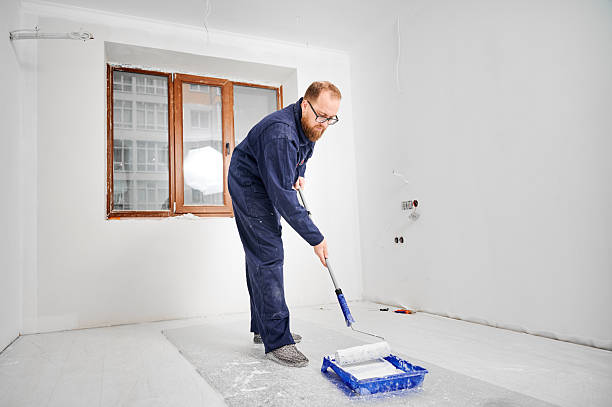
Painting an active workplace is completely different from painting an empty house.
Your office layout might work fine, but scuffed baseboards and faded hallway walls make the entire business look tired.
You do not have to close your doors or deal with weeks of chaos to fix it. Professional painters can give your space a sharp, clean look without interrupting your workday.
At Bolden’s Painting Co., we know how to work quietly and quickly around your team. You can explore our commercial interior painting services to see how we handle prep work and keep disruptions low.
Knowing what to expect from office painting contractors in Wichita makes planning easy. Here is a clear guide on work hours, paint choices, and how to keep your office running smoothly.
The Hidden Cost of Commercial Painting Downtime
When corporate leaders plan facility upgrades, the direct cost of labor and materials is only half of the financial picture. The biggest hidden expense in any workplace renovation is employee disruption and operational downtime.
If a painting crew sets up noisy ladders in your accounting bullpen during tax season or blocks your client lobby during peak visiting hours, the lost revenue can quickly eclipse the cost of the paint job itself.
Workplace environment studies compiled by the Occupational Safety and Health Administration highlight that indoor air quality, solvent vapors, and physical jobsite clutter directly influence employee comfort, concentration, and absenteeism. In fact, facility management research shows that unplanned office disruptions can reduce daily team productivity by up to 25%, making project phasing and air quality management essential considerations for business owners.
A quality contractor does not just know how to roll paint onto drywall. They know how to design an execution plan that allows your staff to keep answering phones, serving clients, and closing sales without missing a beat.
4 Operational Factors Businesses Must Evaluate
Before requesting bids or reviewing color swatches, sit down with your building management team and assess how prospective painters handle real-world commercial challenges.
1. Flexible Shift Options and Off-Hours Work
The most critical capability a commercial painter brings to the table is flexible scheduling. An industrial office or busy clinic cannot pause operations between 9:00 AM and 5:00 PM for wet paint.
Ask prospective contractors if they provide:
- Overnight third-shift painting crews who work while your staff is at home.
- Weekend scheduling blocks that start Friday evening and wrap up by Sunday afternoon.
- Phased section-by-section zoning that leaves 80% of your office untouched while one quadrant is refreshed.
When crews leave at 6:00 AM after an overnight shift, every drop cloth should be folded, every paint can sealed, and every walkway vacuumed clean so your morning staff steps into a safe, functional space.
2. Low-VOC and Zero-VOC Coating Formulations
In years past, commercial paints gave off intense chemical smells that lingered for days. Those fumes come from Volatile Organic Compounds (VOCs), which release gasses into the indoor air as the liquid carrier dries.
In a closed office building with central heating and air conditioning, strong paint fumes can trigger headaches, dizziness, and eye irritation among employees. Professional painters should exclusively specify high-performance zero-VOC or ultra-low-VOC coatings like Sherwin-Williams ProMar 200 Zero VOC or Benjamin Moore Ultra Spec 500 for occupied commercial facilities. These coatings cure quickly and emit virtually zero odor, keeping your indoor air clean and healthy.
3. Rigorous Commercial Insurance and Safety Credentials
Commercial jobsites carry distinct liabilities. A painter working from a sixteen-foot step ladder in an atrium or spraying an open warehouse ceiling must follow strict safety protocols.
Never allow a painting crew onto your premises without verifying:
- Active general liability insurance with a minimum of two million dollars in coverage.
- Full workers’ compensation policies covering every worker on your property.
- Documented hazard communication programs, including up-to-date Safety Data Sheets (SDS) for all primers, coatings, and patch compounds brought into your facility.
4. High-Traffic Surface Durability
Residential walls rarely face the daily abuse common to commercial spaces. In a bustling office, walls are constantly bumped by rolling desk chairs, delivery carts, vacuums, and heavy briefcases.
Standard flat latex wall paint will scuff, mark, and burnish within weeks under those conditions. Experienced contractors recommend durable scuff-resistant formulas, such as Benjamin Moore Scuff-X or Sherwin-Williams Pre-Catalyzed Waterbased Epoxy, for high-traffic zones like conference rooms, break areas, elevator lobbies, and main corridors. These coatings create a tough, washable surface that repels black heel marks and allows repeated scrubbing with hospital-grade sanitizers.
Comparing Quality Commercial Painting Methods
To help you understand how commercial workspaces are managed efficiently, here is a comparison between basic standard daytime painting and specialized commercial methods:
| Project Factor | Basic Daytime Repainting | Low Disruption Commercial System |
| Work Scheduling | Monday through Friday, 8 AM to 5 PM | Nights, weekends, and phased departmental shifts |
| Indoor Odor Levels | Moderate to high; lingering solvent smells | Near-zero VOCs; clean air for next-day work |
| Desk and Cable Safety | Plastic sheets thrown over active computers | Formal computer masking, cable cordoning, daily cleanup |
| Daily Site Condition | Open paint buckets, wet rollers left in sinks | Full nightly pack-down; clean floors every morning |
| Surface Durability | Standard builder-grade wall latex | Single-component scuff-resistant epoxies and enamels |
| Operational Impact | Regular distractions and staff relocation | Seamless continuation of normal company routines |
When to Schedule Low Disruption Commercial Painting in Wichita
Every business has peak seasons and quiet windows. Timing your facility refresh around your company’s operational rhythm ensures the smoothest possible turnaround.
For accounting firms and tax offices, summer and early fall represent the quietest period to schedule work. For retail storefronts, early January through February provides a clean lull right after the busy holiday shopping season. For medical, dental, and therapy practices, three-day holiday weekends are often ideal because crews can complete multiple exam rooms while the clinic is closed for an extra day.
Choosing low disruption commercial painting in Wichita means partnering with a team that respects your seasonal workflow. An experienced estimator will sit down with your office manager, map out a department-by-department timeline, and ensure that conference rooms or customer waiting lounges are returned to service on exact, agreed-upon deadlines.
The Step-by-Step Commercial Interior Process
A long-lasting commercial finish requires far more than applying color. The underlying preparation determines whether your paint holds up against daily foot traffic or starts flaking away within six months.
1. Protection of Office Equipment and Technology
Before a can of paint is opened, painters protect your firm’s expensive electronic assets. Computer monitors, keyboards, network towers, and phone systems are completely wrapped in clean static-free plastic. Carpets and luxury vinyl tile floors are covered with heavy drop cloths and reinforced plastic runners taped securely at baseboard seams to prevent tripping hazards.
2. Comprehensive Drywall Repair
Commercial walls often display holes from shifted artwork, door stops pushed through drywall, and corner bead dents from moving carts. Painters cut away damaged drywall tape, fill holes with quick-setting joint compounds, and sand every patch flush. Commercial crews utilize vacuum-assisted sanders that capture drywall dust right at the sanding pad, preventing fine gypsum powder from getting pulled into computer cooling fans or HVAC vents.
3. Spot-Priming Stains and Water Marks
Roof leaks, coffee spills, and marker scribbles will bleed through standard topcoats if not treated properly. Painters apply dedicated stain-blocking primers over problem spots to lock in the stain before the finish coat is rolled out.
4. Precision Application
Using ultra-fine rollers and precision cut-in brushes, painters apply two complete coats of premium commercial enamel. When painting long corporate hallways, crews work wet-on-wet edges to eliminate roller lap lines and ensure smooth, uniform color distribution from floor to ceiling.
Exterior Branding and Commercial Curb Appeal
While refreshing interior boardrooms and break rooms is vital for employee morale, the outside of your commercial building creates the first impression for every visiting client and investor.
Sun exposure, prairie winds, and sudden winter freezes in south-central Kansas can quickly fade exterior masonry, rust metal support columns, and peel paint on retail storefronts. When reviewing options with office painting contractors in Wichita, ask whether they also manage exterior facilities.
Pairing an interior refresh with professional commercial exterior painting allows property managers to align company brand colors across the entire building, update exterior parapets, and seal weather-exposed surfaces against moisture damage in a single coordinated project.
Why Local Businesses Partner with Bolden’s Painting Co.
Selecting a painting company to work inside your active place of business requires complete trust, steady communication, and genuine commercial experience.
At Bolden’s Painting Co., we bring more than 30 years of family-owned craftsmanship and three generations of trade knowledge to commercial facilities throughout Wichita and Sedgwick County. We know that corporate facilities operate on strict schedules, and we take pride in running organized, secure jobsites. Our painters arrive on time, keep equipment neatly contained, and respect the privacy and security of your work environment.
We specialize in full-scale commercial interior painting in Wichita, KS, working directly with property managers, general contractors, and corporate office leads. We exclusively use proven commercial coatings from Sherwin-Williams and Benjamin Moore, maintain clean air through zero-VOC products, and provide transparent, itemized estimates without hidden add-on fees.
Estimated Commercial Office Painting Costs in Wichita
Budgeting for an interior commercial repaint depends on several variables, including square footage, ceiling heights, wall condition, and whether painting must take place during normal hours or overnight.
On average, commercial interior wall painting in our area ranges between $1.50 and $3.50 per square foot of wall space.
Here is an estimated pricing guide for common commercial office projects in our local area:
| Facility Type & Scope | Typical Square Footage | Estimated Cost Range | Average Project Timeline |
| Small Professional Office Suite | 1,200 to 1,800 sq. ft. | $2,200 – $4,200 | 2 to 3 Days (or 1 Weekend) |
| Medium Corporate Office | 2,500 to 4,500 sq. ft. | $4,500 – $9,500 | 4 to 6 Evenings / Weekend |
| Multi-Department Facility | 5,000 to 10,000 sq. ft. | $9,500 – $22,000 | 1 to 2 Weeks (Phased) |
| Medical / Clinic Office Suite | 3,000 to 5,000 sq. ft. | $6,000 – $13,500 | 3 to 5 Days (Specialty Coatings) |
Note: Final estimates vary depending on the extent of drywall patching required, the number of door frames and window casings included, and whether scuff-resistant water-based epoxy coatings are specified.
5 Practical Tips for Preparing Your Office for Painting
Business owners and facility managers can take a few proactive steps to ensure their project runs like clockwork:
- Designate a Single Point of Contact: Choose one manager from your staff to interface with the painting foreman. Having a single contact simplifies communication regarding access keys, security codes, and daily sign-offs.
- Clear Loose Desktop Paperwork: Ask employees to pack sensitive documents, small desk ornaments, and personal photos into cardboard file boxes so desks can be covered cleanly without displacing important files.
- Notify Building Security and Cleaning Crews: Ensure your night janitorial staff and building security guards are aware of the painters’ schedule to avoid false alarms or locked doors when crews arrive with equipment.
- Coordinate IT and Server Room Protocols: If painting includes server closets or areas with sensitive network racks, walk the room with the painting lead beforehand to confirm containment protocols and static protection.
- Communicate the Phasing Schedule to Staff: Send a simple email to your team letting them know which departments are being painted on specific days. Giving staff clear expectations eliminates confusion and keeps everyone productive.
If you have questions about commercial safety compliance, worker background checks, or scheduling flexibility, reviewing our painting FAQs provides detailed answers to common operational questions.
Final Thoughts
Planning a commercial facility upgrade is less about finding a quick paint roller and more about choosing an experienced trade partner who understands how modern workplaces function.
Start by inspecting your facility’s highest-wear areas. Check corner beads, examine baseboards, and note water stains or high-traffic scuff marks. Walk the floor with your team to determine whether off-hours shifts, weekend work, or phased departmental zones make the most sense for your staff.
Most importantly, do not settle for standard residential paints or inflexible daytime hours.
A successful corporate refresh begins with knowing what your space requires. Once you understand your operational needs, you can partner with dedicated professionals who protect your building assets instead of disrupting your business. If you are ready to evaluate your facility or want an honest on-site walk-through for commercial interior painting in Wichita, KS, you can contact our team to review your floor plan, discuss shift options, and get your project scheduled.
Frequently Asked Questions
Can painters paint our office after business hours?
Yes, commercial painting contractors regularly provide overnight and weekend work shifts. This allows crews to prep, paint, and clean without disrupting your employees, creating noise during meetings, or blocking public client lobbies during normal daytime business hours.
What kind of paint is best for busy office hallways?
High-traffic office corridors require scuff-resistant, zero-VOC acrylic or single-component epoxy enamels like Benjamin Moore Scuff-X or Sherwin-Williams Pre-Catalyzed Epoxy. These coatings withstand daily bumps from carts and chairs while allowing repeated scrubbing without leaving shiny spots.
Will the paint smell disrupt our employees the next day?
No, reputable commercial contractors use zero-VOC and ultra-low-VOC paints for occupied spaces. These advanced formulations emit virtually no fumes or lingering chemical odors, allowing your staff to work comfortably the morning immediately following an overnight painting shift.
How do painters protect our computers and office electronics?
Painters wrap computer monitors, towers, keyboards, and printers in clean, static-free plastic sheeting before any prep work begins. Vacuum-assisted sanders capture drywall dust right at the pad, preventing fine gypsum particles from circulating near electronic equipment.
How much notice does a commercial painter need to start?
Most commercial painting contractors need two to three weeks of lead time to order specialized commercial coatings, schedule overnight shifts, and coordinate building access. However, smaller single-office repaints can often be accommodated sooner depending on current crew capacity.
Who is responsible for moving heavy office desks and filing cabinets?
The painting crew typically handles moving heavy desks, tables, and modular furniture away from the walls and returning them to position. Employees are simply asked to pack up sensitive files and clear loose personal items off desktop surfaces.