Planning a home painting project involves more than choosing a color. Homeowners need to consider the condition of the surfaces, type of paint, preparation requirements, weather, project timeline, and the amount of work involved. A well-planned project can make the painting process more predictable and help prevent avoidable delays.
For homeowners researching Wichita painting, local conditions are an important part of the planning process. Wichita experiences hot summers, cold winters, wind, and seasonal weather changes. These conditions can affect exterior surfaces and influence when certain painting work should be completed.
Whether you are refreshing one room, repainting an entire interior, or updating exterior surfaces, understanding the process can help you make informed decisions.
This guide explains the key factors to consider when planning a residential painting project in Wichita, Kansas.
What Should Homeowners Consider Before Painting?
Before purchasing paint or scheduling a project, start by determining what needs to be painted and why. A small room refresh and a complete exterior repaint have very different preparation requirements.
Assess the Condition of the Surfaces
Inspect walls, ceilings, trim, doors, siding, and other surfaces before planning the work.
Look for:
- Peeling or flaking paint
- Cracks and holes
- Water stains
- Mold or mildew
- Surface dirt and grease
- Damaged drywall
- Loose caulking
- Wood deterioration
- Previous paint that is failing
Painting over damaged or poorly prepared surfaces may result in an uneven appearance and can reduce the durability of the new coating.
Decide Which Areas Need Painting
Make a room-by-room or exterior-area list. This helps establish the project scope before work begins.
For example, an interior project could include:
- Bedrooms
- Living rooms
- Kitchens
- Bathrooms
- Hallways
- Ceilings
- Doors
- Baseboards and trim
An exterior project may involve siding, doors, trim, shutters, porches, or other painted surfaces.
Determine the Purpose of the Project
Your objective can influence the type of preparation and paint required.
A homeowner may want to:
- Refresh an outdated color
- Repair a worn surface
- Prepare a home for sale
- Protect exterior surfaces
- Change the appearance of a room
- Coordinate colors throughout the home
Defining the purpose helps narrow down the appropriate approach.
How to Choose the Right Paint for a Wichita Home
The right paint depends on where it will be used and the condition of the surface. Interior and exterior products are formulated for different environments.
Interior Paint Considerations
Interior paint should be selected according to the room and how much use the surface receives.
For example, high-traffic areas may benefit from a washable finish. Kitchens and bathrooms also have different requirements because they can experience moisture, humidity, grease, or frequent cleaning.
When choosing interior paint, consider:
- Room function
- Traffic level
- Cleaning requirements
- Existing surface
- Desired sheen
- Color
- Number of coats needed
Exterior Paint Considerations
Exterior surfaces must withstand changing weather conditions. In Wichita, homeowners should consider exposure to sunlight, wind, rain, snow, and temperature fluctuations.
Before exterior painting, examine the condition of siding, wood, trim, and other surfaces. Any repairs, cleaning, scraping, or priming should generally be addressed before applying the finish coats.
Paint Finish and Durability
Paint sheen affects both appearance and maintenance.
Common finishes include:
| Paint Finish | Common Uses | General Characteristics |
|---|---|---|
| Flat | Ceilings, low-traffic areas | Low sheen and helps minimize minor surface imperfections |
| Eggshell | Living rooms, bedrooms | Low sheen with easier cleaning than flat paint |
| Satin | Hallways, kitchens, trim | More durable and easier to clean |
| Semi-gloss | Doors, trim, bathrooms | Higher sheen and good resistance to cleaning |
| Gloss | Selected trim and detail areas | Highly reflective and durable |
The ideal finish depends on the room, surface, desired appearance, and maintenance requirements.
When Is the Best Time to Paint in Wichita?
Timing is particularly important for exterior painting. Weather conditions can affect how paint applies, dries, and cures.
Interior Painting
Interior painting can generally be planned throughout the year because the work takes place inside a controlled environment.
However, ventilation, indoor temperature, humidity, and household activities should still be considered.
Homeowners may find it easier to schedule interior work when:
- Rooms can be cleared
- Furniture can be moved
- Family schedules allow access to the space
- Adequate ventilation is possible
Exterior Painting
Exterior painting is more dependent on weather. Extremely hot temperatures, rain, high humidity, strong winds, and rapidly changing conditions can interfere with the application and drying process.
A painting schedule should therefore account for the local forecast rather than relying only on a specific month.
For homeowners planning house painting in Wichita KS, checking weather conditions before exterior work is an important part of project planning.
How to Prepare Your Home for a Painting Project
Proper preparation is one of the most important parts of a painting project. In many cases, preparation takes considerable time because the new paint needs a clean and stable surface.
Clean the Surfaces
Walls and exterior surfaces should be cleaned according to the material and condition.
Interior walls may have accumulated dust, grease, fingerprints, and other contaminants. Exterior surfaces may have dirt, pollen, mildew, or weather-related buildup.
Cleaning helps provide a better surface for primer and paint.
Repair Surface Damage
Repairing cracks, holes, damaged drywall, deteriorated wood, or loose materials should happen before painting.
Minor imperfections can become more visible after a new coat of paint is applied.
Move and Protect Furniture
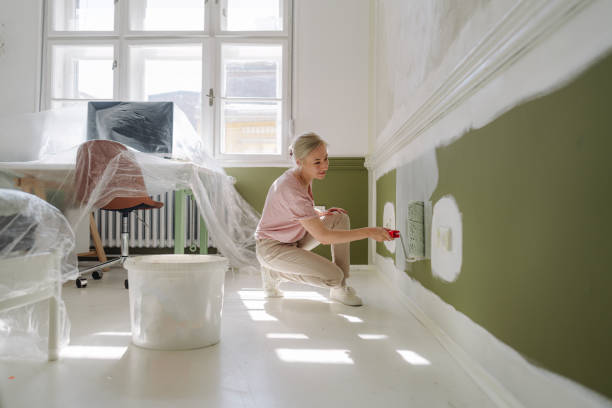
For interior projects, remove smaller items from the room whenever possible. Larger furniture can usually be moved away from the walls and covered.
Protect:
- Flooring
- Furniture
- Light fixtures
- Cabinets
- Countertops
- Hardware
- Windows
Proper protection helps reduce accidental paint splatters and makes cleanup easier.
Protect Areas That Are Not Being Painted
Painter’s tape, drop cloths, plastic sheeting, and other protective materials can help separate painted and unpainted surfaces.
Preparation should be based on the specific project rather than applying the same process to every room or surface.
What Are the Main Steps in a Professional Painting Project?
Understanding the general workflow can help homeowners know what to expect.
1. Project Assessment
The first step is evaluating the surfaces and defining the project scope. This may include identifying repairs, determining which areas will be painted, and discussing colors and finishes.
2. Surface Preparation
Preparation can include cleaning, sanding, scraping, patching, caulking, and repairing damaged areas.
The exact process depends on the existing surface and its condition.
3. Priming
Primer may be appropriate when covering certain colors, painting new or repaired surfaces, or addressing specific surface conditions.
Primer is not necessarily required for every surface, so its use should be determined based on the project.
4. Paint Application
Once the surface is prepared, paint can be applied using brushes, rollers, sprayers, or a combination of methods.
The application method depends on the surface, paint product, project size, and desired finish.
5. Inspection and Touch-Ups
After painting, the surfaces should be inspected for missed areas, uneven coverage, drips, or other visible issues.
Touch-ups can then be completed as needed.
6. Cleanup
The final stage includes removing protective materials, cleaning the work area, and returning the space to an appropriate condition.
What Factors Affect the Cost of a Painting Project?
Painting costs vary considerably from one project to another. A useful estimate requires more than simply knowing the home’s square footage.
Several factors can influence the overall project cost.
Home Size
Larger homes generally require more paint, labor, preparation, and time.
However, square footage alone does not determine the final cost.
Surface Condition
A wall that is already smooth and properly maintained may require less preparation than a surface with peeling paint, cracks, stains, or other damage.
Paint Type
Different paint products have different prices and performance characteristics. Homeowners should consider the requirements of the specific surface rather than choosing paint based only on price.
Number of Coats
Some surfaces may require multiple coats to achieve the desired coverage and appearance. The existing color, new color, paint type, and surface condition can all affect coverage.
Interior vs. Exterior Work
Exterior painting often involves additional preparation because surfaces are exposed to weather and environmental conditions.
Interior projects may involve more detailed work around trim, doors, cabinets, ceilings, and other architectural features.
Common Painting Mistakes Homeowners Should Avoid
Planning carefully can help homeowners avoid several common problems.
Choosing Paint Only by Color
Color is important, but it is not the only consideration. Paint type, finish, durability, surface condition, and room function should also be evaluated.
Skipping Surface Preparation
Applying paint over dirt, peeling paint, or damaged surfaces can affect the final result.
Ignoring Weather Conditions
Exterior painting should take weather into account. Rain, extreme temperatures, high humidity, and strong winds can affect the work.
Buying Too Little Paint
Running out of paint during a project can create color-matching problems, especially if the same product or color is no longer available.
It is better to estimate the required quantity before starting.
Selecting Colors Without Testing Them
Paint colors can appear different depending on natural light, artificial lighting, surrounding colors, and time of day.
Testing samples in the actual room can help homeowners make a more informed choice.
How to Plan a Painting Project With a Local Wichita Painting Company
Homeowners researching painting contractors Wichita KS should compare companies based on relevant experience, project scope, communication, and the details included in their estimates.
A useful project discussion should cover:
- Areas to be painted
- Surface preparation
- Repairs
- Primer requirements
- Number of coats
- Paint products
- Finish and sheen
- Estimated timeline
- Cleanup
- Any exclusions or additional work
For homeowners looking for information about local residential painting services, Bolden’s Painting Co can be used as an internal resource when evaluating painting-related options in Wichita.
Bolden’s Painting Co provides painting services for residential properties, making it relevant to homeowners planning interior or exterior painting work. The exact scope of work should be discussed based on the condition of the property and the areas requiring paint.
Questions to Ask Before Starting a Painting Project
Before beginning work, homeowners can ask several practical questions.
What preparation is included?
Ask whether cleaning, sanding, scraping, patching, caulking, and other preparation tasks are included in the project.
What paint will be used?
Confirm the paint brand, product line, finish, and intended application.
How many coats are expected?
The number of coats can vary depending on the surface and color. Clarifying this beforehand helps establish realistic expectations.
What happens if the weather changes?
For exterior projects, ask how rain, extreme temperatures, or other weather conditions may affect scheduling.
What areas are included?
Make sure doors, trim, ceilings, siding, shutters, or other surfaces are clearly identified in the project scope.
How will the property be protected?
Discuss how floors, furniture, landscaping, fixtures, and other areas will be protected during the project.
Conclusion
A successful home painting project starts with planning. Homeowners should evaluate surface conditions, select appropriate paint and finishes, consider Wichita’s weather, prepare the property, and establish a clear project scope before work begins.
Whether you are planning one room or a larger residential project, understanding the painting process can make it easier to set realistic expectations and avoid common problems. Comparing painting contractors Wichita KS based on preparation, materials, scope, and project details can also help homeowners make an informed decision.
If you are planning a residential painting project and need more information about available services, contact us at Bolden’s Painting Co to discuss the areas you want to paint and the condition of the surfaces. A project-specific assessment can help determine the appropriate preparation and painting approach for your Wichita home.
Frequently Asked Questions About Wichita Painting
How often should a home be repainted in Wichita?
There is no universal repainting schedule. The appropriate timing depends on the surface, previous paint quality, exposure to weather, maintenance, and signs of paint failure. Exterior surfaces exposed to Wichita weather may require attention sooner than protected interior areas.
What should I do before a painter arrives?
Remove small items from the work area, move furniture away from walls where possible, secure valuables, and identify any areas that require special attention. The painting company can provide project-specific preparation instructions.
Is exterior painting affected by Wichita weather?
Yes. Temperature, rain, humidity, wind, and direct sunlight can influence exterior painting conditions. A suitable weather window is important for proper application and drying.
Should walls be cleaned before painting?
Generally, surfaces should be reasonably clean before painting. Dirt, grease, dust, mildew, and other contaminants can interfere with paint adhesion and appearance.
Do all painting projects require primer?
No. Primer requirements depend on the existing surface, paint condition, repairs, color changes, and selected paint system. A professional assessment can determine whether primer is appropriate.
How do I choose a paint finish?
Consider the room’s use, cleaning requirements, desired appearance, and surface condition. Lower-sheen finishes can help hide minor imperfections, while higher-sheen finishes are generally easier to clean and more durable.
How can homeowners compare painting contractors in Wichita?
Compare the scope of work, preparation requirements, materials, number of coats, estimated timeline, cleanup, and exclusions. Looking at these details provides a more useful comparison than comparing estimates based only on price.
Is interior painting possible year-round in Wichita?
Interior painting can generally be scheduled throughout the year because it is less dependent on outdoor weather. Indoor temperature, humidity, ventilation, and household schedules should still be considered.