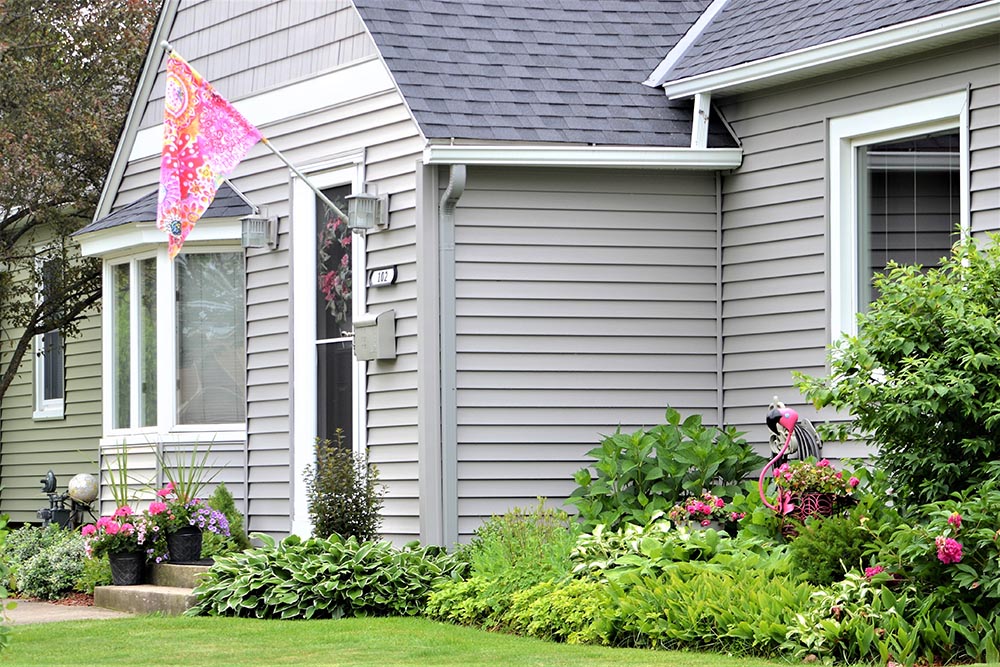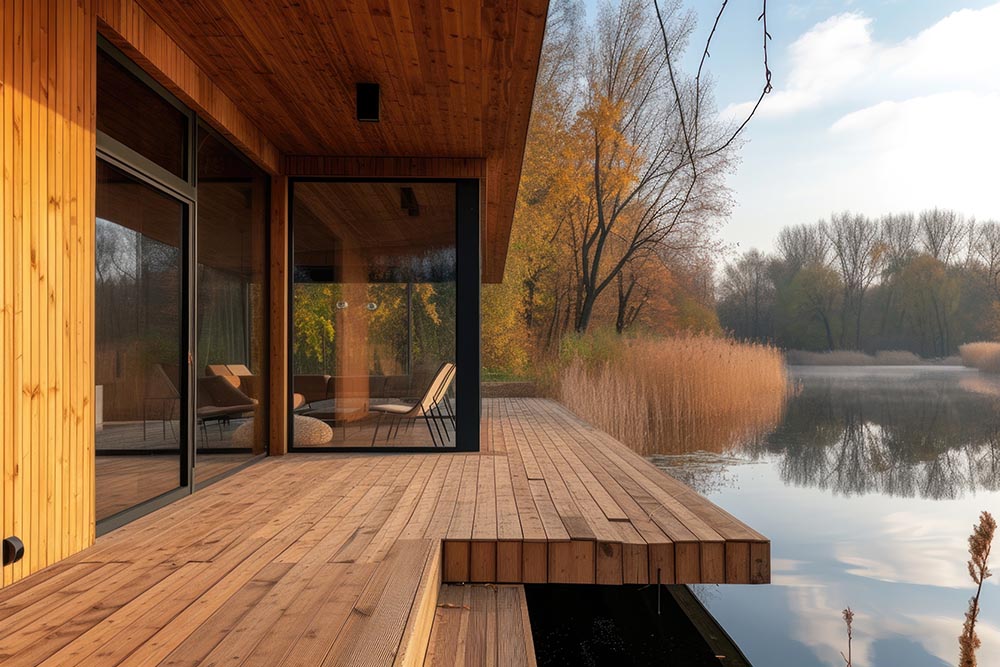
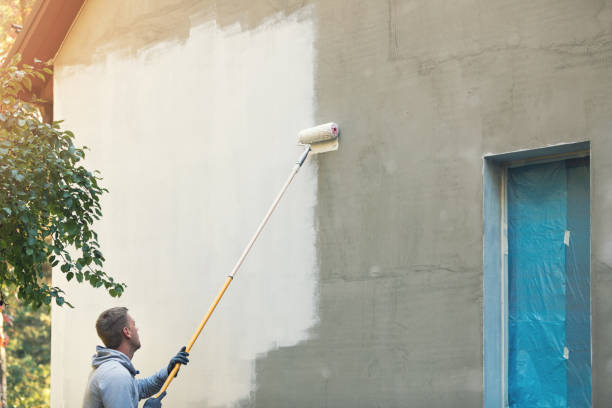
Choosing an exterior paint color is an important part of maintaining and updating a home. The right color can complement the architecture, coordinate with the roof and landscaping, and create a balanced appearance from the street. However, selecting the best paint colors for exterior house projects is not simply a matter of choosing a shade that looks attractive on a paint card.
Exterior colors are affected by sunlight, surrounding structures, landscaping, roof materials, siding, and the size and style of the home. A color that looks soft and neutral indoors may appear significantly brighter in direct sunlight. Similarly, a dark color can look very different on a large exterior surface than it does on a small sample.
This guide explains how to evaluate exterior colors, compares popular choices, and provides practical exterior house color ideas for different architectural styles.
How to Choose the Best Exterior House Paint Colors
Before choosing a specific shade, consider the permanent characteristics of the property. Exterior paint should work with features that are difficult or expensive to replace.
Consider Your Home’s Architectural Style
The architectural style of a house can help narrow down suitable colors.
Traditional homes often work well with neutral combinations such as white, cream, gray, beige, and muted green. Modern homes may accommodate stronger contrasts, including charcoal, black, crisp white, or muted contemporary colors.
Craftsman homes can complement earthy greens, warm grays, browns, and cream-colored trim. Farmhouse-inspired designs often use white, off-white, gray, or muted dark accents.
This does not mean a particular style has to use a specific color. Instead, the architecture can provide a useful starting point when comparing the best exterior house paint colors.
Look at the Roof and Permanent Features
The roof is one of the largest visual elements of an exterior. Its color should be considered before selecting siding or wall paint.
For example, a dark gray roof can coordinate with cool gray, white, blue-gray, or certain green shades. A brown roof may work better with warm neutrals, cream, beige, taupe, or earthy colors.
Also consider brick, stone, concrete, metalwork, garage doors, and other permanent features. Exterior paint does not need to match every feature exactly, but the colors should work together.
Consider the Surrounding Landscape
Trees, lawns, gardens, fencing, and neighboring properties can influence how an exterior color looks.
Homes surrounded by mature greenery may complement muted greens, warm neutrals, cream, or gray. Properties with limited landscaping may benefit from a color scheme that provides more visual interest through trim or an accent door.
Consider the property as a whole rather than choosing a paint color in isolation.
Think About Natural Light
Natural light can significantly change the appearance of exterior paint.
Direct sunlight can make lighter shades appear brighter and can alter the perceived intensity of some colors. Areas that receive shade may make the same color appear darker or cooler.
For this reason, homeowners should test paint samples on the actual exterior whenever possible.
Check Local Neighborhood Considerations
Some neighborhoods, homeowners associations, or planned communities may have rules concerning exterior colors.
Before purchasing paint, check whether your property is subject to any restrictions. This is particularly important when considering bold colors or significant changes from the existing exterior.
Best Paint Colors for Exterior House Projects
There is no single color that works for every property. The following options are among the most versatile starting points for homeowners comparing exterior colors.
White
White remains a flexible choice for many architectural styles. It can create a clean appearance and can be paired with contrasting trim, natural wood, dark accents, or colorful doors.
Pure white can sometimes appear very bright in strong sunlight, so softer whites and warm off-whites may be worth considering.
White also provides flexibility when selecting future accent colors.
Light Gray
Light gray is a versatile neutral that can work with modern, traditional, ranch, and transitional homes.
Cool gray can complement blue or charcoal accents, while warmer gray can work with beige, cream, and natural materials.
Because gray comes in many undertones, compare samples carefully. Two shades labeled gray can have noticeably different blue, green, or beige undertones.
Beige and Warm Greige
Beige and greige combine well with many natural materials.
Greige, which sits between gray and beige, can provide a neutral appearance without looking as stark as some cooler grays or whites.
These shades are particularly useful when the home has warm brick, stone, brown roofing, or wood elements.
Taupe
Taupe offers another neutral option for homeowners who want more depth than a light beige.
Depending on its undertones, taupe can work with brown, gray, cream, stone, and natural wood.
It can also provide a softer alternative to darker exterior colors.
Blue
Blue can add personality while remaining relatively versatile.
Pale blue and muted blue-gray can create a subdued appearance, while deeper blue can provide more contrast.
When selecting blue, consider the surrounding landscape and roof color. A blue with a strong undertone may interact differently with sunlight and nearby greenery than a muted blue-gray.
Green
Green can complement homes surrounded by trees, lawns, and other natural landscaping.
Muted sage, olive, and gray-green shades tend to be easier to coordinate with natural surroundings than highly saturated greens.
Green can also be used selectively as an accent color on shutters, doors, or other architectural details.
Charcoal Gray
Charcoal can provide a more dramatic appearance without using pure black.
It can work particularly well with crisp white trim, natural wood, stone, or simple modern architecture.
Because dark exterior colors absorb more heat and can behave differently depending on the siding material and climate, homeowners should consider the product manufacturer’s recommendations before choosing a very dark shade for extensive siding.
Black for Exterior Accents
Black can be effective when used selectively.
Rather than painting an entire house black, homeowners may use it for a front door, shutters, window trim, garage doors, or other details.
Black accents can create contrast against white, cream, gray, beige, and other lighter exterior colors.
Popular Exterior House Color Combinations
A successful exterior typically uses more than one color. A simple three-part approach can help create visual balance.
| Exterior Element | Color Direction | Common Examples |
|---|---|---|
| Main exterior | Dominant color | White, gray, beige, taupe, muted blue |
| Trim | Supporting color | White, cream, light gray |
| Front door | Accent color | Black, blue, green, deep red |
| Shutters | Accent or trim color | Charcoal, dark green, navy |
| Garage door | Coordinating neutral | Gray, beige, white, brown |
The main exterior color covers the largest surface area, so it usually has the greatest influence on the overall appearance.
Trim can either blend with the main color or provide contrast. A front door can then introduce a smaller amount of stronger color without overwhelming the design.
Exterior Paint Color Ideas by Home Style


Traditional Homes
Traditional homes often benefit from restrained color combinations.
White, cream, beige, light gray, taupe, and muted blue can provide a classic appearance. Darker shutters or doors can add contrast without changing the overall character of the home.
The goal is generally to create a coordinated palette rather than emphasize one individual feature.
Modern Homes
Modern homes often provide more opportunities for contrast.
Charcoal, deep gray, white, black, muted green, and other contemporary shades can work well depending on the architecture.
Modern designs may also use a limited palette with strong differences between the main exterior and trim.
Farmhouse-Style Homes
Farmhouse-inspired homes often use simple, understated color schemes.
White and off-white remain common choices, while black, charcoal, gray, and natural wood can provide contrast.
A darker front door can add visual interest without requiring several exterior colors.
Craftsman Homes
Craftsman homes often incorporate natural materials and detailed architectural elements.
Muted green, warm gray, brown, cream, and earthy neutrals can coordinate with wood, stone, and other natural features.
Trim can be used to emphasize columns, rooflines, windows, and other architectural details.
Ranch Homes
Ranch houses often have long, relatively low profiles. Color can help visually organize the exterior without making the structure appear overly busy.
Light gray, beige, white, taupe, muted green, and blue-gray are potential choices. A contrasting front door can provide a focal point.
How to Choose Trim and Accent Colors
Once the primary exterior color has been selected, consider the supporting colors.
Matching Trim
Using a similar or slightly lighter shade for trim creates a more uniform appearance.
This approach can be useful when the home has a simple architectural design and the homeowner wants the exterior to feel visually consistent.
Contrasting Trim
Contrasting trim can emphasize windows, doors, rooflines, columns, and other architectural details.
White trim is commonly paired with darker exterior colors, while darker trim can create a more contemporary appearance against lighter siding.
Choosing a Front Door Color
The front door is a relatively small surface, making it an opportunity to introduce personality.
Depending on the main exterior color, options may include:
- Black
- Deep blue
- Muted green
- Burgundy
- Natural wood tones
- Dark gray
The front door does not necessarily have to match the shutters or trim. A carefully selected contrast can create a clear focal point.
What to Consider Before Painting Your Exterior
Existing Exterior Materials
Paint behaves differently depending on whether the surface is wood, fiber cement, masonry, metal, stucco, or another material.
The existing surface should be evaluated before selecting the paint system and preparation method.
Climate and Weather Exposure
Exterior paint must withstand environmental exposure. Sunlight, rain, humidity, temperature changes, and seasonal weather can affect coating performance.
Select products designed for the specific exterior surface and follow the manufacturer’s application recommendations.
Paint Finish
The sheen of exterior paint can affect both appearance and maintenance.
Different surfaces may require different finishes. Trim and doors may use a different sheen from the primary siding, depending on the desired appearance and product specifications.
Sample Testing
Do not select a large quantity of exterior paint based only on a small color card.
Apply samples to representative sections of the exterior and observe them at different times of day. Morning sunlight, afternoon sunlight, shade, and cloudy conditions can make the same color appear different.
Long-Term Appearance
Trendy colors can be appealing, but exterior paint is a significant project. Consider whether the color will continue to suit the home after several years.
A neutral main color combined with replaceable accent colors can provide more flexibility.
Common Exterior Paint Color Mistakes
Choosing From a Tiny Sample
A color that looks ideal on a small card can appear significantly different across an entire wall.
Testing larger samples can provide a more realistic impression.
Ignoring Permanent Features
Roofing, brick, stone, and other fixed materials should be part of the color-selection process.
A paint color that clashes with an existing roof or brick feature can make the entire exterior feel disconnected.
Using Too Many Colors
More colors do not necessarily create a better exterior.
For many homes, a primary color, trim color, and one accent color are enough to create visual interest.
Not Considering Lighting
Sun exposure can change the perceived brightness and undertone of a paint color.
Evaluate samples under the lighting conditions the home normally experiences.
Choosing Trendy Colors Without Considering Longevity
A fashionable color may look appealing today but may not suit the home’s architecture or surrounding environment over time.
Think about the entire property and the expected lifespan of the paint project.
How Many Exterior Paint Colors Should a House Have?
For many homes, three coordinated colors are a practical starting point:
- A primary color for the largest exterior surfaces
- A secondary color for trim
- An accent color for the front door or selected architectural features
Some homes may need fewer colors, while more detailed architecture may support additional variations.
The objective is balance. Each additional color should have a clear purpose.
Conclusion
Choosing the best paint colors for exterior house projects involves more than selecting a favorite shade. The home’s architectural style, roof, existing materials, landscaping, natural light, climate, and surrounding environment should all influence the decision.
White, gray, beige, greige, taupe, blue, green, and charcoal can all provide useful starting points, but the right choice depends on how the color interacts with the specific property. Testing samples before committing to a complete exterior is one of the simplest ways to reduce the risk of an unexpected result.
For homeowners planning exterior or interior painting projects, Bolden’s Painting Co can be considered when researching professional painting services and project preparation. Understanding the existing surface and selecting a suitable paint system are important parts of achieving a durable exterior finish.
If you are planning an exterior painting project and need help evaluating your options, contact us to discuss the project and determine the appropriate next steps.
Frequently Asked Questions
What are the best paint colors for exterior house projects?
Some versatile choices include white, off-white, light gray, beige, greige, taupe, muted blue, muted green, and charcoal. The best choice depends on the home’s architecture, roof, permanent materials, landscaping, and lighting.
What exterior colors make a house look bigger?
Lighter colors such as white, cream, light gray, and pale beige can make a home feel more open and visually expansive. However, the effect also depends on architecture, landscaping, shadows, and surrounding structures.
What is the most popular exterior house color?
There is no single color that is universally best or most appropriate for every home. Neutral colors such as white, gray, beige, and greige remain popular because they coordinate with many architectural styles and permanent materials.
What colors work well with a dark roof?
Light gray, white, cream, beige, greige, muted blue, and some green shades can work with dark roofing. The roof’s undertone should be considered when selecting the exterior color.
Should exterior trim be lighter or darker?
Either approach can work. Light trim can create a traditional contrast against darker siding, while darker trim can create a more contemporary appearance against a light exterior.
How many exterior paint colors should a house have?
A three-color palette consisting of a main exterior color, trim color, and accent color is a useful starting point. The appropriate number depends on the home’s architecture and existing materials.
Should I choose a trendy exterior paint color?
Trendy colors can work, but consider the home’s architecture and the expected longevity of the project. A neutral primary color combined with a changeable accent can provide a more adaptable design.
How can I know whether an exterior paint color will look right?
Test the color directly on the exterior and observe it during different lighting conditions. Comparing the sample with the roof, brick, stone, landscaping, and trim can provide a better indication than viewing a small paint card alone.