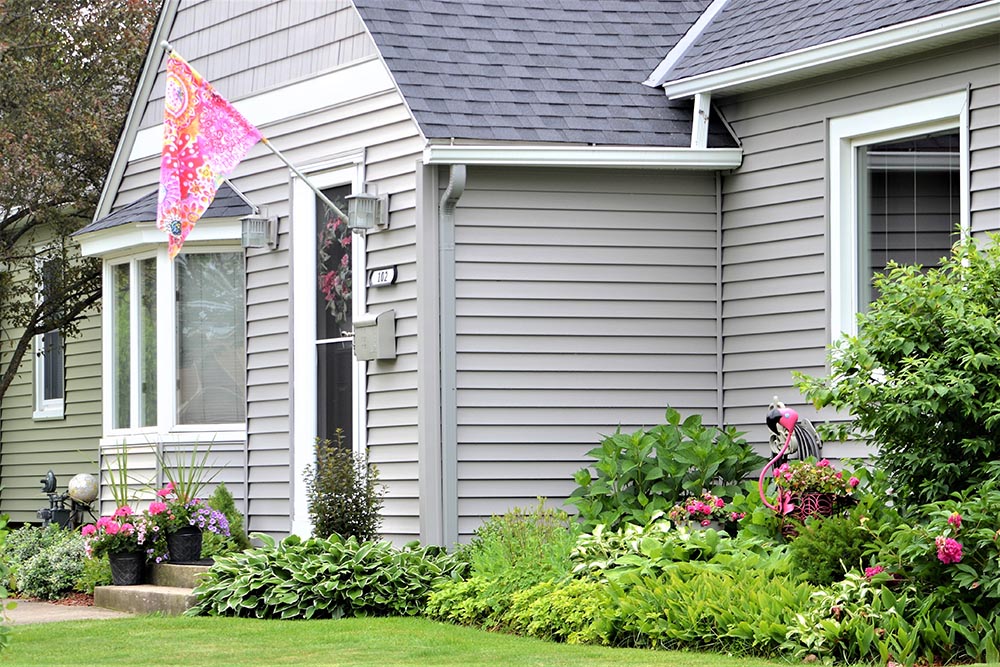
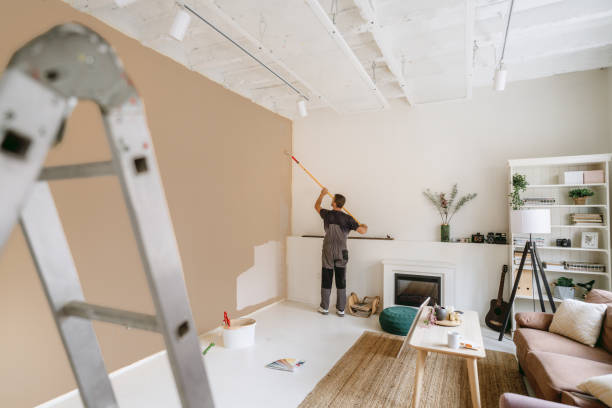
House painting is more than applying a new color to walls or siding. A successful painting project depends on surface preparation, paint selection, weather conditions, application techniques, and ongoing maintenance. For homeowners researching house painting Wichita KS, understanding each part of the process can make it easier to plan a project and evaluate available options.
Wichita homes are exposed to changing temperatures, strong sunlight, wind, moisture, and seasonal weather. These conditions can affect exterior paint over time. Interior surfaces also experience everyday wear from cooking, cleaning, children, pets, and normal household activity.
This guide explains what homeowners should know before starting a residential painting project, including preparation, paint types, project timelines, cost factors, maintenance, and questions to ask when comparing painting services.
What Does House Painting in Wichita, KS Involve?
House painting generally includes several stages rather than painting alone. Depending on the project, the work may involve:
- Inspecting walls, ceilings, siding, trim, doors, or other surfaces
- Cleaning surfaces
- Removing loose or damaged paint
- Repairing minor surface imperfections
- Sanding rough areas
- Priming selected surfaces
- Protecting floors, furniture, landscaping, and fixtures
- Applying paint
- Completing detail work and touch-ups
- Cleaning the work area
The exact process depends on whether the project involves an interior, exterior, or both.
For homeowners considering house painting Wichita KS, the condition of the existing surface is one of the most important factors to evaluate before choosing paint or establishing a project timeline.
Interior vs. Exterior House Painting
Interior and exterior painting have different requirements because the surfaces are exposed to different conditions.
Interior Painting
Interior painting commonly includes:
- Walls
- Ceilings
- Doors
- Baseboards
- Window trim
- Cabinets
- Accent walls
Interior surfaces typically require attention to stains, nail holes, cracks, scuffs, and previous paint layers. The appropriate paint finish also depends on the room.
For example, washable finishes can be useful in kitchens, hallways, and other high-use areas, while different finishes may be preferred for bedrooms or ceilings.
Exterior Painting
Exterior painting can involve:
- Siding
- Exterior trim
- Fascia
- Doors
- Shutters
- Porches
- Garages
- Other exposed surfaces
Exterior surfaces must withstand sun, rain, wind, temperature changes, and moisture. As a result, surface preparation and product selection are particularly important.
How to Prepare a Home for Painting
Proper preparation can have a major effect on the final appearance and durability of a paint job.
1. Inspect the Surface
Before painting, check for:
- Peeling paint
- Cracks
- Holes
- Water stains
- Mold or mildew
- Wood deterioration
- Loose caulking
- Uneven surfaces
Exterior wood should receive particular attention because damaged or deteriorated areas may require repair before painting.
2. Clean the Surface
Dirt, dust, grease, and other contaminants can interfere with paint adhesion. Interior walls may require light cleaning, while exterior surfaces often require more extensive cleaning.
The cleaning method should be appropriate for the material being painted.
3. Repair Imperfections
Small holes and cracks can often be filled and sanded before painting. Larger damage may require additional repair work.
Painting over damaged surfaces does not eliminate the underlying problem and can make imperfections more noticeable.
4. Protect the Area
Furniture, floors, countertops, fixtures, landscaping, and other nearby surfaces should be protected from paint splashes and debris.
5. Prime Where Needed
Primer is not necessarily required for every surface. However, it can be useful when:
- Painting a porous surface
- Covering stains
- Changing from a very dark color to a light color
- Painting repaired areas
- Applying paint to certain new materials
- Improving adhesion on specific surfaces
The appropriate primer depends on the substrate and paint system.
Choosing the Right Paint for a Wichita Home
Paint selection involves more than choosing a color.
Homeowners should consider:
- Surface material
- Interior or exterior location
- Expected wear
- Moisture exposure
- Sun exposure
- Desired finish
- Existing coating
- Maintenance requirements
Interior Paint
Different rooms may benefit from different finishes.
| Area | Common Considerations |
|---|---|
| Living room | Easy cleaning and desired appearance |
| Bedroom | Low-to-moderate traffic and preferred finish |
| Kitchen | Moisture, grease, and frequent cleaning |
| Bathroom | Humidity and moisture resistance |
| Hallway | Frequent contact and scuff resistance |
| Ceiling | Light reflection and appearance |
These are general considerations rather than strict rules. The best product depends on the surface and household requirements.
Exterior Paint
Exterior products are designed to handle environmental exposure. Homeowners should consider the material being painted, local weather conditions, existing coating, and manufacturer recommendations.
For example, wood siding may have different requirements than masonry, metal, or previously painted composite materials.
How Wichita Weather Can Affect Exterior Painting
Wichita experiences seasonal temperature changes and periods of sun, wind, rain, and humidity. These conditions can influence exterior painting.
Extreme temperatures can affect how paint dries and cures. Moisture can also create problems if a surface is not sufficiently dry before painting.
Before an exterior project, homeowners should consider:
- Current temperature
- Forecasted weather
- Surface temperature
- Humidity
- Rain probability
- Wind conditions
Weather conditions should be suitable for the specific coating being applied. Product manufacturers provide recommended application conditions that should be followed.
What Is the House Painting Process?
A typical residential painting project follows a sequence similar to this:
Step 1: Project Assessment
The surfaces, existing paint, repairs, and project requirements are evaluated.
Step 2: Color and Product Selection
Homeowners choose colors, finishes, and products based on the surface and intended use.
Step 3: Surface Preparation
Cleaning, scraping, sanding, caulking, patching, and priming are completed as needed.
Step 4: Painting
Paint is applied using appropriate brushes, rollers, sprayers, or a combination of methods.
Step 5: Detail Work
Edges, trim, corners, doors, and other areas receive attention.
Step 6: Inspection
The finished surfaces should be checked for missed areas, uneven coverage, drips, and other visible issues.
Step 7: Cleanup
Protective materials are removed, equipment is collected, and the work area is cleaned.
This structured approach helps homeowners understand what they are paying for when comparing house painters in Wichita KS.
How Long Does House Painting Take?
There is no single timeline for every home. Project duration can vary depending on:
- Home size
- Number of rooms
- Number of coats
- Surface condition
- Preparation requirements
- Interior or exterior scope
- Number of workers
- Weather
- Drying and curing requirements
A small interior project may take considerably less time than painting an entire home’s exterior.
Exterior work can also be delayed by unsuitable weather. Homeowners should therefore avoid selecting a contractor based only on the shortest estimated timeline.
What Factors Affect House Painting Costs?
The cost of residential painting varies from one property to another.
Important factors include:
Home Size
Larger homes generally require more labor and materials.
Surface Condition
Extensive preparation, repairs, scraping, or sanding can increase labor requirements.
Number of Coats
Some surfaces require multiple coats to achieve the desired coverage and appearance.
Paint Type
Different paints and coatings have different prices and performance characteristics.
Interior or Exterior Scope
Exterior painting can involve additional preparation and access requirements.
Trim and Detail Work
Doors, windows, baseboards, shutters, and other detailed elements can increase the overall scope.
Rather than relying on a generic price per square foot, homeowners should request a project-specific estimate that clearly explains what is included.
How Often Should a House Be Repainted?
There is no universal repainting schedule. The appropriate timing depends on the surface, paint quality, exposure, maintenance, and environmental conditions.
Signs that a home may need repainting include:
- Peeling or flaking paint
- Fading color
- Cracking
- Bubbling
- Exposed substrate
- Stained or worn interior walls
- Failed caulking
- Noticeable deterioration of exterior coatings
Regular inspections can help identify problems before they become more extensive.
Common House Painting Mistakes to Avoid
Homeowners can improve project results by avoiding several common mistakes.
Painting Without Proper Preparation
Applying paint over dirt, loose paint, or damaged surfaces can lead to adhesion and appearance problems.
Choosing Paint Only by Color
Color is important, but the product should also be suitable for the surface and environment.
Ignoring Moisture Problems
Painting over an active moisture issue can conceal the problem temporarily without addressing its cause.
Skipping Primer When It Is Needed
Some surfaces and situations benefit from primer. Ignoring manufacturer or surface requirements can affect coverage and adhesion.
Focusing Only on the Lowest Estimate
A lower price does not necessarily mean better value. Homeowners should compare preparation, materials, number of coats, labor, cleanup, and other included services.
How to Choose House Painters in Wichita, KS
When comparing residential painting services, homeowners can ask several practical questions.
What Preparation Is Included?
Find out whether the estimate includes cleaning, scraping, sanding, patching, caulking, and priming.
What Products Will Be Used?
Ask which paint and primer products are proposed and whether they are appropriate for the surface.
How Many Coats Are Included?
The answer can help clarify how the quoted price was calculated.
How Will the Property Be Protected?
For interior work, ask about floors, furniture, fixtures, and other belongings. For exterior work, ask how landscaping and nearby surfaces will be protected.
How Is the Final Work Checked?
A clear inspection process can help identify areas that need touch-ups before the project is considered complete.
Bolden’s Painting Co is one local company homeowners may consider when researching residential painting options in the Wichita area. Homeowners should still compare the scope of work, preparation, materials, timeline, and estimate before making a decision.
House Painting Maintenance Tips
Painting does not eliminate the need for maintenance. Simple inspections can help extend the useful life of painted surfaces.
Inspect Exterior Surfaces
Check siding, trim, doors, and other painted surfaces periodically for peeling, cracking, or fading.
Clean Interior Walls Carefully
Use cleaning methods appropriate for the paint finish. Avoid harsh products unless they are specifically recommended for the surface.
Address Moisture Issues
Leaks, condensation, and drainage problems should be addressed promptly to reduce the risk of paint and substrate damage.
Touch Up Small Areas
Small areas of damage can sometimes be addressed before they become larger problems. Keep a record of the paint color and product used for future touch-ups.
Maintain Caulking
Exterior caulking around appropriate joints and openings can deteriorate over time. Damaged caulking should be evaluated and replaced when necessary.
Conclusion
A successful residential painting project starts with understanding the condition of the home, selecting appropriate products, preparing surfaces correctly, and planning around local weather conditions. For homeowners researching house painting Wichita KS, these factors are more important than simply selecting a color or comparing the lowest estimate.
Whether the project involves a few interior rooms or an entire exterior, homeowners should clearly understand the preparation, materials, number of coats, timeline, and cleanup included in the work.
When comparing local options, Bolden’s Painting Co can be included in the research process alongside other residential painting services Wichita KS. Homeowners can review the project scope and determine which approach fits their property and requirements. To discuss a specific painting project, contact us through the company’s website.
Frequently Asked Questions About House Painting in Wichita, KS
How much does house painting cost in Wichita, KS?
There is no single price because costs depend on home size, surface condition, preparation, paint products, number of coats, and project scope. A property-specific estimate is more useful than a generic figure.
What is the best time to paint a house exterior in Wichita?
Exterior painting should generally be planned for periods when temperature, humidity, wind, and precipitation are suitable for the selected coating. Always follow the paint manufacturer’s application recommendations.
How long does exterior house painting take?
The timeline depends on the size of the home, surface preparation, number of coats, crew size, and weather. Larger or heavily prepared projects can take longer.
Do walls need to be cleaned before painting?
Yes. Dirt, grease, dust, and other contaminants can interfere with paint adhesion. The appropriate cleaning method depends on the surface.
Is primer always necessary when painting a house?
No. Primer is not required for every project, but it can be beneficial for certain surfaces, stains, repairs, porous materials, and significant color changes.
How many coats of paint does a house need?
The number of coats depends on the existing surface, paint color, product, coverage, and desired finish. Product instructions should be followed.
Should homeowners paint over peeling paint?
Loose or peeling paint should generally be removed and the surface prepared before applying a new coating. Painting directly over failing paint can result in continued peeling.
What should I ask house painters before hiring them?
Ask about preparation, materials, number of coats, project timeline, property protection, cleanup, warranty terms if offered, and what is included in the estimate.
Can interior and exterior painting be completed at the same time?
It can be possible depending on the property’s size, crew availability, weather, and project scope. Coordinating both projects may require a detailed schedule.