
Choosing a new exterior color can completely change how a house looks. Siding covers a large portion of most home exteriors, so the color you choose becomes one of the most noticeable design decisions you make. The right shade can complement the roof, windows, doors, landscaping, and architectural details, while the wrong one can make those features feel disconnected.
There are countless exterior siding colors available, ranging from traditional whites and warm neutrals to blue-grays, greens, and deeper charcoal shades. However, choosing a color should involve more than selecting a shade that looks attractive on a paint card.
The home’s architecture, siding material, natural light, permanent exterior features, surrounding homes, and local climate can all influence how a color looks after it is applied. This is especially important for homeowners in Wichita and surrounding Kansas communities, where strong sunlight and changing weather conditions can affect exterior surfaces.
This guide explains how to choose the best exterior house paint colors, coordinate siding with other exterior features, and avoid common color-selection mistakes.
Why Choosing the Right Siding Color Matters
Siding is one of the largest visible surfaces on a home. Because of this, even a subtle change in color can significantly affect the property’s overall appearance.
A well-selected siding color can help:
- Highlight architectural details
- Create visual balance
- Complement the roof and trim
- Make a home appear larger or more defined
- Coordinate with landscaping
- Create a consistent exterior color scheme
Color also influences how large or small certain architectural elements appear. Lighter shades generally create a more open appearance, while darker shades can make a home look more substantial and visually grounded.
However, there is no single exterior color that works for every property. The best choice depends on the home’s individual features and surroundings.
Popular Exterior Siding Colors to Consider
Several color families consistently work well for residential exteriors. Instead of focusing exclusively on current trends, consider which colors complement the structure and permanent features of your home.
Classic White and Off-White
White siding remains a versatile option because it creates a clean and traditional appearance. Pure white can provide strong contrast with dark roofs and trim, while warmer whites and off-whites can create a softer look.
Off-white can be particularly useful when a home’s other features include natural stone, warm brick, wood accents, or beige roofing.
If the exterior already contains several strong textures, a neutral white can also help prevent the overall design from feeling visually crowded.
Gray and Greige
Gray has become a popular choice for contemporary and traditional homes. Light gray can create a clean appearance without the stark contrast of white, while medium and dark grays provide a more dramatic exterior.
Greige, a combination of gray and beige undertones, offers another flexible option. It can work well when a homeowner wants a neutral exterior but finds traditional gray too cool.
Before choosing gray, check its undertones. Some grays lean blue, while others contain green, beige, or violet undertones. These subtle differences can become more noticeable when the color covers an entire exterior.
Beige and Warm Neutral Tones
Beige, tan, and other warm neutral colors are useful for homes with earthy exterior features. They can complement brick, stone, wood, brown roofing, and warm landscaping.
Warm neutrals are also less dependent on a particular design trend, which can make them suitable for homeowners who want a color with long-term versatility.
Blue and Blue-Gray
Blue siding can give a home a distinctive appearance without being overly bright. Blue-gray is especially versatile because the gray component can make the color appear more subdued.
Light blue can work well with white trim, while deeper blue shades can be paired with white, cream, gray, or dark accents.
Because blue can change noticeably under different lighting conditions, outdoor sample testing is particularly important.
Green and Sage
Muted green shades can work well with natural surroundings. Sage green, in particular, can provide color while maintaining a relatively understated appearance.
Green siding may complement homes surrounded by mature trees, natural landscaping, stone, or wood accents.
When considering green, look at the surrounding environment. A shade that looks balanced in an open suburban setting may appear different when the home is heavily surrounded by greenery.
Brown and Earthy Tones
Brown, taupe, and other earthy shades can create a grounded appearance. These colors often work with natural materials and homes featuring wood, stone, or brick.
Medium brown can also provide a traditional appearance without relying on a very light neutral.
Dark Exterior Colors
Charcoal, deep gray, navy, and other dark shades can create a modern and sophisticated appearance. They are often used on contemporary homes, but they can also work on traditional architecture when balanced with lighter trim.
Dark siding requires careful consideration of the home’s proportions, roof color, surrounding environment, and siding material. A very dark shade can make architectural features appear less prominent, while lighter trim can restore definition.
Best Exterior House Paint Colors by Home Style
The architecture of your home can provide a useful starting point when selecting from the best exterior house paint colors.
Traditional Homes
Traditional homes often work well with neutral siding colors such as:
- White
- Cream
- Beige
- Gray
- Taupe
- Soft blue
Contrasting trim can emphasize windows, doors, rooflines, and other architectural details.
Modern Homes
Modern homes often benefit from simpler color palettes. Gray, charcoal, white, black, and muted earth tones can create a streamlined appearance.
Rather than using many colors, modern exteriors typically benefit from a limited palette with clear contrast between major surfaces and accents.
Farmhouse-Style Homes
Farmhouse-inspired homes commonly use combinations of white, cream, muted gray, sage, and dark accents.
Black or dark-colored doors, window frames, and other details can provide contrast against lighter siding.
Craftsman Homes
Craftsman homes often include multiple architectural materials and details. Earthy greens, warm grays, muted browns, beige, and cream can complement these features.
The goal is usually to highlight the architecture rather than compete with it.
Ranch Homes
Ranch homes often have long, horizontal proportions. A consistent siding color can create a cohesive appearance, while contrasting trim can help define windows, doors, and rooflines.
Medium neutrals, gray, blue-gray, and warm beige are common options.
How to Coordinate Siding With Trim and Other Exterior Features
Siding should not be selected in isolation. Before finalizing a color, examine all the major exterior elements that will remain in place.
Trim
Trim provides an opportunity to create contrast. White trim can brighten darker siding, while cream or warm beige may work better with warm siding colors.
Front Door
The front door can serve as an accent color. If the siding is neutral, a stronger door color can create a focal point without overwhelming the exterior.
Roof
Roofing is usually a long-term feature, so its color should influence your siding decision. For example, a warm brown roof may coordinate better with beige, cream, tan, or warm gray than with a cool blue-gray.
Garage Doors
Garage doors can either blend into the siding or provide subtle contrast. On homes where the garage occupies a large portion of the front elevation, using a closely related color can help create a balanced appearance.
Brick and Stone
Brick and stone are important because their colors usually cannot be changed as easily as painted surfaces. Identify the dominant undertones in these materials before selecting siding.
How Climate and Sunlight Affect Exterior Siding Colors
Natural light can dramatically change how exterior colors appear.
A color viewed on a small paint card indoors may look significantly lighter, darker, warmer, or cooler once it covers a large exterior wall.
Sun exposure can also influence how a color performs over time. Homes with significant direct sunlight may experience more visible fading depending on the paint, surface, color, and environmental conditions.
This is one reason homeowners should test potential colors on the actual exterior instead of relying entirely on digital images or indoor samples.
For homes in Wichita, local weather conditions should also be considered when planning exterior painting. Strong sunlight, temperature changes, wind, and seasonal weather can all affect exterior surfaces and maintenance requirements.
How to Choose the Right Exterior Siding Color
A systematic approach can make the decision easier.
1. Examine Permanent Exterior Features
Start with the features you are not planning to replace, such as:
- Roof
- Brick
- Stone
- Driveway
- Walkways
- Windows
- Masonry
- Existing doors
Your siding should coordinate with these elements.
2. Consider the Surroundings
Look at your landscaping, neighboring homes, fencing, and surrounding structures.
This does not mean your house needs to match neighboring properties. Instead, the surrounding environment can help you determine whether a color will feel harmonious or visually out of place.
3. Narrow Down the Color Family
Instead of immediately choosing a specific shade, determine whether you prefer:
- Warm neutrals
- Cool neutrals
- Blues
- Greens
- Whites
- Earth tones
- Dark colors
This reduces the number of options you need to compare.
4. Test Samples Outdoors
Testing is one of the most important steps in selecting exterior siding colors.
Apply sample colors to an inconspicuous portion of the siding or use appropriately sized exterior sample boards. Observe the colors during different lighting conditions.
5. Compare Colors at Different Times of Day
Morning sunlight, midday brightness, afternoon shade, and evening conditions can all change how a color appears.
A shade that looks ideal at noon may appear noticeably different in the evening.
6. Consider the Siding Material
Paint does not look identical on every surface. Vinyl, wood, stucco, and other materials can have different textures and surface characteristics.
If you are repainting an existing surface, make sure the coating and preparation requirements are appropriate for that material.
Exterior Siding Color Combinations
A simple three-color approach can help create an organized exterior palette.
| Siding Color | Trim Color | Accent Color |
|---|---|---|
| Light Gray | White | Navy Blue |
| Greige | Cream | Dark Brown |
| Sage Green | Warm White | Charcoal |
| Blue-Gray | White | Black |
| Beige | Cream | Wood Tone |
| White | Charcoal | Natural Wood |
The table provides starting points rather than strict rules. Existing roofing, masonry, landscaping, and architectural details should determine whether a particular combination is appropriate.
A useful approach is to assign colors by visual importance. The siding generally serves as the dominant color, trim creates definition, and the accent color is reserved for smaller areas such as the front door or shutters.
Common Mistakes to Avoid When Choosing Siding Colors

Choosing From a Small Paint Chip
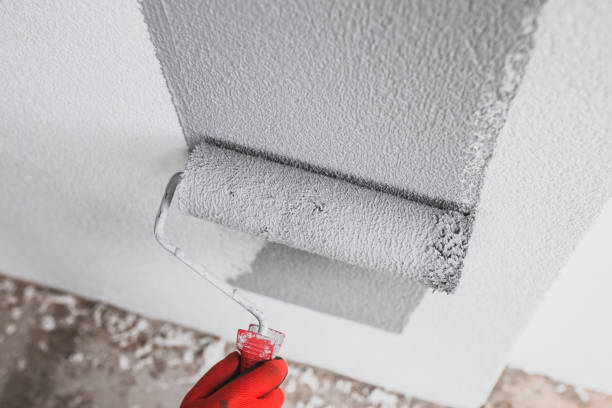
A tiny color sample cannot always show how a shade will look across an entire house. Always evaluate a larger sample when possible.
Ignoring the Roof
Replacing siding while overlooking the roof can result in competing undertones. Always compare the proposed siding color against the existing roof.
Using Too Many Colors
Adding several different exterior colors can make a home appear visually fragmented. A simple palette is often easier to coordinate.
Following Trends Without Considering the Home
A popular color may look excellent on one architectural style and less appropriate on another. Trends can provide inspiration, but they should not replace consideration of the home’s structure.
Skipping Sample Testing
Computer and phone screens can display colors differently. Outdoor testing gives you a better idea of how the actual shade interacts with the home’s light and surroundings.
Forgetting About the Siding Material
Vinyl, stucco, wood, and other exterior surfaces may have different preparation and coating requirements. The selected product should be appropriate for the surface.
When Should You Repaint or Change Your Siding Color?
Color is not the only reason to consider exterior repainting. Visible deterioration may also indicate that the surface needs attention.
Look for signs such as:
- Peeling paint
- Cracking
- Chalking
- Fading
- Staining
- Surface deterioration
- Visible patches or inconsistent color
- Damaged trim or siding
If the existing siding is structurally sound but the color is outdated, repainting may provide an alternative to replacing the entire siding system.
However, painting should not be used to conceal significant underlying damage. Surface condition and necessary repairs should be evaluated before a new coating is applied.
Exterior Siding Colors in Wichita, KS
For homeowners in Wichita, choosing an exterior color involves both design and practical considerations. Strong sunlight can influence how colors appear, while seasonal temperature changes and weather exposure can affect exterior painted surfaces.
Local architecture also varies, so the best color for a traditional home may not be the best choice for a contemporary property.
Bolden’s Painting Co serves Wichita and nearby Kansas communities with residential and commercial painting services. Its listed residential services include exterior repainting, vinyl repainting, stucco repainting, and window trim and siding repair.
For homeowners considering a siding color change, the existing condition of the surface is an important part of the process. Preparation, repairs, and compatibility with the siding material should be addressed before selecting the final coating.
Bolden’s Painting Co also lists experience with residential exterior repainting and specialty exterior surfaces, making surface-specific considerations relevant when planning a color update.
When comparing exterior siding colors in Wichita, consider the roof, masonry, landscaping, sunlight exposure, architectural style, and the existing condition of the siding before making a final decision.
Conclusion
Choosing exterior siding colors is a combination of design, architecture, and practical surface considerations. The best choice is not necessarily the newest trend or the most popular shade. It is the color that works with your home’s roof, trim, masonry, landscaping, architectural style, and natural lighting.
Neutral shades such as white, gray, beige, and greige offer flexibility, while blue, green, and darker colors can create more distinctive exterior designs. Whatever color family you choose, testing samples outdoors and considering the existing siding material can help prevent costly color mistakes.
For homeowners planning an exterior color update in Wichita or nearby Kansas communities, Bolden’s Painting Co provides residential exterior repainting along with vinyl repainting, stucco repainting, and window trim and siding repair services.
If you are comparing colors, evaluating your existing siding, or planning an exterior repainting project, contact us to discuss the surface and project requirements before moving forward.
Frequently Asked Questions About Exterior Siding Colors
What are the best exterior house paint colors?
The best exterior house paint colors depend on the home’s architecture, roof, existing materials, natural light, and surrounding landscape. Popular options include white, off-white, gray, greige, beige, blue-gray, sage green, and charcoal.
What is the most popular color for house siding?
Neutral colors such as white, gray, beige, and greige are consistently popular because they can coordinate with a wide range of roofing, trim, masonry, and landscaping options.
Are dark siding colors a good choice?
Dark siding colors can create a dramatic and modern appearance, but they should be evaluated based on the home’s architecture, sun exposure, siding material, roof color, and surrounding environment.
What color siding makes a house look bigger?
Lighter siding colors can create a more open and visually expansive appearance. White, cream, light gray, and other soft colors can help reflect light and make exterior surfaces feel less visually heavy.
Should siding and trim be the same color?
They do not have to be. Using a contrasting trim color can highlight windows, doors, rooflines, and architectural details. However, closely related siding and trim colors can create a more subtle appearance.
Can vinyl siding be painted?
Vinyl siding can be repainted when the appropriate preparation and compatible coating products are used. The condition of the vinyl and the selected product are important considerations.
How many exterior colors should a house have?
Many homes work well with a three-color approach consisting of a dominant siding color, a trim color, and a smaller accent color. The appropriate number depends on the architecture and existing materials.
How can I test exterior siding colors?
Use large exterior samples or sample boards and evaluate them outdoors. Check the colors in morning, midday, afternoon, and evening light before making the final selection.
Should the siding color match the roof?
It does not need to match exactly, but the two colors should coordinate. Consider whether the roof has warm or cool undertones before selecting the siding color.
What should I consider before repainting exterior siding?
Consider the siding material, surface condition, existing paint, roof color, trim, masonry, sun exposure, architectural style, and the type of exterior coating appropriate for the surface.