An accent wall is one of the simplest ways to transform the look and feel of a space without repainting an entire room. Whether you want to create a dramatic focal point, introduce color, or highlight architectural details, the right accent wall can completely change the atmosphere of your home.
Choosing the perfect accent wall involves more than selecting your favorite paint color. The room layout, lighting, furniture placement, existing décor, and paint finish all play important roles in achieving a balanced design.
For homeowners looking for professional interior painting services, experienced painters such as Bolden’s Painting Co can help create an accent wall that complements the rest of the home while ensuring a high-quality finish. Whether you’re updating a single room or refreshing an entire property, thoughtful planning leads to better long-term results.
What Is an Accent Wall?
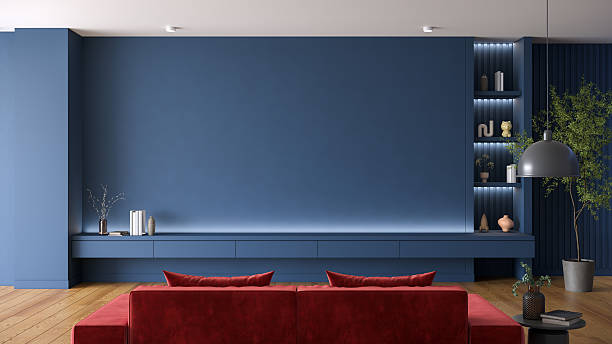
An accent wall is a single wall within a room that differs from the others through color, texture, material, or design. Its purpose is to draw attention and create visual interest without overwhelming the space.
Unlike painting every wall a bold color, an accent wall provides contrast while maintaining balance.
Benefits include:
- Creates visual depth
- Defines the room’s focal point
- Adds personality
- Refreshes interiors without major renovations
- Works with modern and traditional homes
Why Accent Walls Continue to Be Popular
Creates a Natural Focal Point
Every room typically has one area that naturally attracts attention. This may be a fireplace, bed headboard, entertainment center, or dining feature wall.
Painting this wall in a contrasting color enhances the room’s architecture instead of competing with it.
Adds Personality Without Overwhelming the Room
Bold colors throughout an entire room may feel overpowering. An accent wall allows homeowners to introduce dramatic shades while maintaining a balanced appearance.
Budget Friendly Home Improvement
Painting one wall requires fewer materials and less labor than repainting an entire room, making it an affordable design update.
How to Choose the Right Accent Wall
Identify the Room’s Focal Point
The best accent wall is usually the first wall visible when entering the room.
Examples include:
- Living room fireplace
- Bedroom wall behind the bed
- Dining room feature wall
- Home office workspace backdrop
- Entertainment wall
Avoid selecting random walls simply because they are empty.
Consider Room Size
Smaller rooms benefit from lighter accent colors that create depth.
Larger rooms can support darker shades that make spaces feel more inviting.
Vertical walls can also make ceilings appear higher when paired with complementary colors.
Evaluate Lighting
Natural sunlight changes how paint colors appear throughout the day.
North-facing rooms often appear cooler.
South-facing rooms receive warmer sunlight.
Always test paint samples during different times of day before making a final decision.
Coordinate With Existing Décor
The accent wall should complement:
- Flooring
- Cabinets
- Trim
- Furniture
- Artwork
- Window treatments
The goal is harmony rather than contrast for the sake of contrast.
Best Accent Wall Ideas for Every Room
Living Room
Popular choices include:
- Fireplace wall
- TV wall
- Built-in shelving
- Stone feature wall
Earth tones, navy blue, deep green, and charcoal remain popular options.
Bedroom
The wall behind the bed naturally creates the strongest visual impact.
Soft colors promote relaxation, while darker tones provide warmth and elegance.
Dining Room
Accent walls can make dining spaces feel more intimate.
Rich colors often work well because dining rooms are frequently used during evening hours.
Kitchen
Kitchen accent walls often appear behind:
- Breakfast nooks
- Open shelving
- Coffee stations
- Dining areas
Durable paint finishes are recommended due to higher moisture levels.
Home Office
A carefully selected accent wall provides an attractive background for video meetings while reducing visual distractions.
Neutral blues, greens, and warm grays remain popular choices.
Bathroom
Bathrooms can benefit from moisture-resistant accent walls using paints specifically designed for humid environments.
Choosing the Right Accent Wall Color
Warm Colors
Warm colors create energy.
Examples include:
- Terracotta
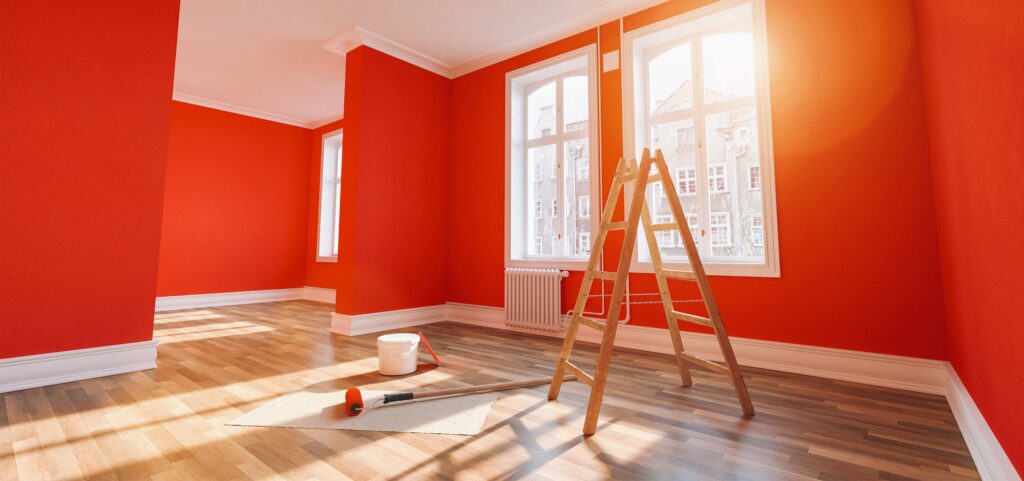
- Deep red
- Burnt orange
- Mustard
Cool Colors
Cool shades create a calming environment.
Popular options include:
- Navy
- Sage green
- Slate blue
- Teal
Neutral Colors
Neutrals remain timeless.
Common selections include:
- Charcoal
- Greige
- Taupe
- Soft gray
Bold Colors
For homeowners wanting dramatic interiors:
- Emerald green
- Black
- Burgundy
- Midnight blue
These colors work best when balanced by lighter surrounding walls.
Paint Finish Matters
Choosing the correct finish is as important as selecting the right color.
| Paint Finish | Best Used For | Advantages |
| Matte | Bedrooms, ceilings | Hides imperfections |
| Eggshell | Living rooms | Soft appearance with light durability |
| Satin | Hallways, family rooms | Easy to clean |
| Semi Gloss | Kitchens, bathrooms | Moisture resistant and durable |
Accent Wall Materials Beyond Paint
Although paint remains the most common choice, other materials also create stunning feature walls.
Wallpaper
Modern wallpaper offers patterns, textures, and removable options suitable for many homes.
Wood Panels
Natural wood adds warmth and character.
Popular styles include:
- Shiplap
- Vertical slats
- Reclaimed wood
Stone Veneer
Stone creates a luxurious focal point in living rooms and entryways.
Brick
Exposed brick or faux brick works well in industrial and farmhouse interiors.
Decorative Textures
Textured finishes provide depth without relying solely on bold colors.
Common Accent Wall Mistakes to Avoid
Many homeowners unintentionally reduce the impact of an accent wall by making avoidable design choices.
Common mistakes include:
- Choosing the wrong wall
- Using colors that clash with furnishings
- Ignoring lighting conditions
- Selecting extremely bright colors for small spaces
- Forgetting paint finish durability
- Overdecorating the accent wall
Planning ahead helps achieve a balanced final appearance.
DIY vs Hiring Professional Painters
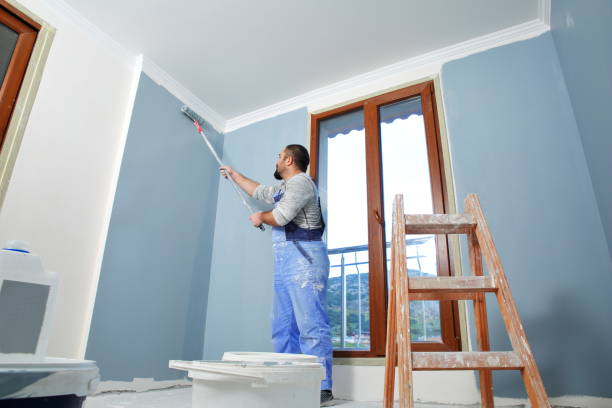
Many homeowners successfully complete small painting projects themselves. However, achieving crisp edges, smooth finishes, and consistent color often requires professional experience.
Professional painters can help with:
- Surface preparation
- Color consultation
- Repairing wall imperfections
- Selecting appropriate finishes
- Clean application
- Long-lasting durability
Companies like Bolden’s Painting Co provide expertise that minimizes common painting issues while delivering consistent results.
Accent Wall Design Ideas by Home Style
Modern Homes
- Black accent walls
- Minimalist gray tones
- Geometric designs
Farmhouse Homes
- White shiplap
- Sage green
- Natural wood
Traditional Homes
- Navy blue
- Deep burgundy
- Warm beige
Contemporary Homes
- Charcoal
- Olive green
- Textured concrete finishes
Coastal Homes
- Soft blue
- Sand tones
- Whitewashed wood
How Professional Painting Services Improve Results
Professional painters understand surface preparation, primer selection, paint compatibility, and application techniques that significantly affect durability.
An experienced company such as Bolden’s Painting Co can also provide recommendations based on room lighting, architectural features, and current interior design trends. Proper preparation reduces peeling, uneven coverage, and premature wear.
Homeowners searching for reliable painting solutions in their local area can also benefit from professional guidance on selecting colors that suit regional home styles and climate conditions. Whether updating a home in a growing neighborhood or renovating an older property, working with Bolden’s Painting Co helps ensure a clean, lasting finish.
Accent Wall Planning Checklist
| Consideration | Questions to Ask |
| Focal Point | Which wall naturally draws attention? |
| Lighting | How does natural light affect the color? |
| Room Size | Will the color make the room feel balanced? |
| Existing Décor | Does it complement furniture and flooring? |
| Paint Finish | Is durability important in this room? |
| Budget | DIY or professional installation? |
| Long-Term Style | Will the design remain appealing over time? |
Conclusion
Choosing the perfect accent wall involves balancing color, placement, lighting, and room design. When thoughtfully planned, an accent wall can enhance visual appeal, highlight architectural features, and create a welcoming atmosphere without requiring a complete renovation.
Whether you are updating a living room, bedroom, kitchen, or home office, taking the time to evaluate your space ensures a design that complements your home’s style. Working with experienced professionals such as Bolden’s Painting Co can also help homeowners achieve durable, high-quality results tailored to their specific needs and local preferences. If you’re considering an interior painting project, contact us to learn more about creating an accent wall that suits your home and location.
Frequently Asked Questions
What is the best wall to use as an accent wall?
The best accent wall is usually the room’s natural focal point, such as the fireplace wall, the wall behind the bed, or the television wall in a living room.
Should every room have an accent wall?
No. Accent walls work best when they serve a clear design purpose. Too many feature walls throughout a home can reduce their visual impact.
What colors work best for an accent wall?
Popular choices include navy blue, deep green, charcoal, warm gray, earthy browns, and rich neutral shades. The ideal color depends on lighting and existing décor.
Can I use wallpaper instead of paint?
Yes. Wallpaper, wood panels, textured finishes, brick veneers, and stone are all effective alternatives for creating an accent wall.
Is an accent wall still in style?
Yes. Accent walls continue to be popular because they add character, create focal points, and allow homeowners to introduce bold colors without overwhelming a room.
Should I hire a professional painter?
Professional painters can help with color selection, surface preparation, and achieving a smooth finish that lasts longer, especially for feature walls requiring precise edges and premium results.